
Category
Art & Design
Hydration Merch
Health wearables featuring replaceable biosensors gain popularity.

Trend
Modular Biosensor: Brands release smart wearables with modular, swappable sensor modules sold separately; users slot cartridges or plug‑in modules into a durable hub to replace failed parts, add features, or buy upgrades. Products include sealed cartridges, standardized slots, and apps to manage modules.
Insight
Many users resent replacing an entire wearable when a single sensor fails or becomes outdated; they want devices that last, are repairable, and let them add features over time. Brands isolate failure points into sealed cartridges or user-replaceable modules while keeping a durable hub for compute and UI. This aims to lower total cost of ownership, cuts e-waste, enables faster feature rollouts, and creates recurring revenue from consumable modules.
Trend themes
Wearables adopting modular architectures enable users to upgrade components, reduce waste, and minimize device replacement.
Offering configurable sensor options provides users the flexibility to tailor devices to specific needs without purchasing multiple products.
Health wearables that synchronize data with cloud processing and apps facilitate comprehensive tracking and personalized insights across various devices.
Industry implications
The rise of modular components in consumer electronics allows product longevity and customization, appealing to environmentally-conscious and tech-savvy consumers.
Innovations in biosensor technology within health wearables create opportunities for personalized healthcare and preventive wellness strategies.
Advancements in IoT ecosystems are supported by modular and sensor-based wearables, enhancing data integration and real-time health monitoring capabilities.
Workshop question
Trend signals
Trend score 7.6 out of 10, from popularity 84%, activity 78%, freshness 65%.
Evidence
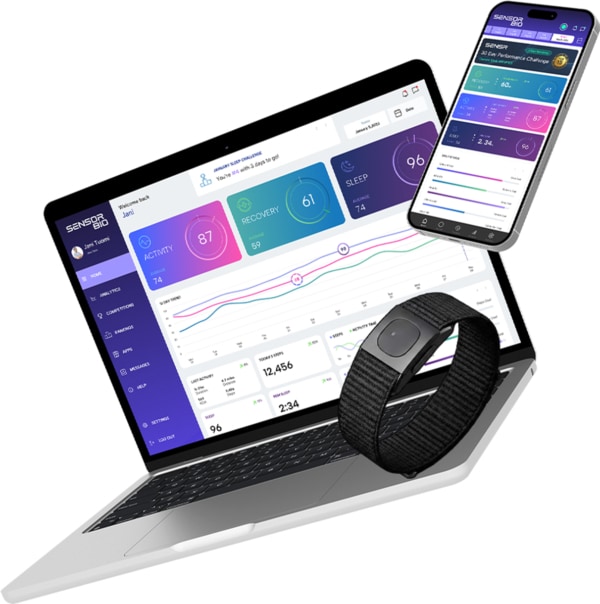
The Biostrap Kairos Boasts a Modular Sensor System for Users
Healthcare technology is rapidly advancing with innovations in wearable biosensors that provide clinical-grade data and support diverse medical research needs.
The WHOOP 5.0 Targets Non-Athletes and Advanced Users Alike
Developments in the WHOOP 5.0 draw attention to the wearable tech industry focused on merging cutting-edge health-monitoring features with user comfort.
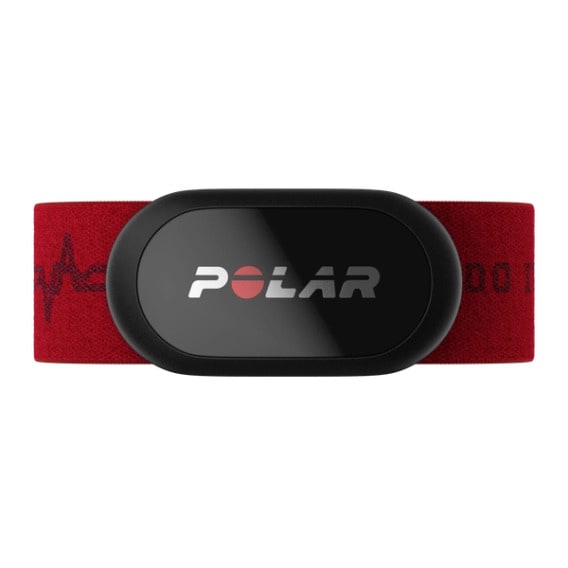
Polar's H9 and H10 Systems Feature Slot-In Biosensors
The wearable fitness technology industry is being transformed by modular systems that prioritize versatility and user customization.
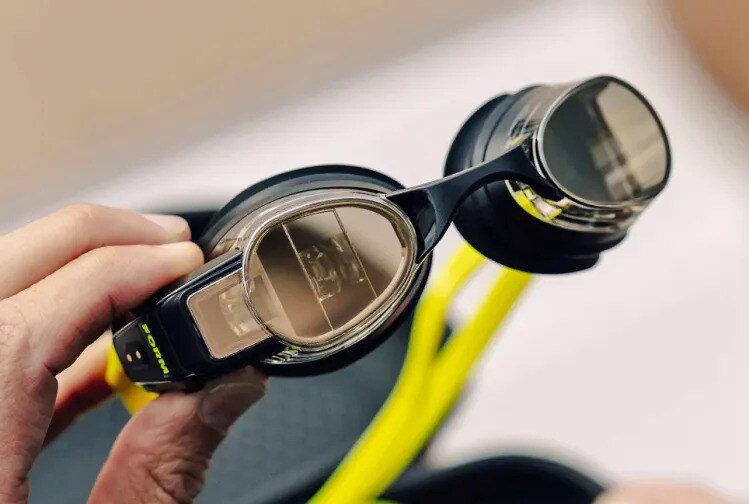
Form Swim's Smart Swim 2 Goggles Improve Swimming Experiences
Advancements in heads-up display technology within swimming gear highlight the evolving intersection of fitness and digital innovation in sports.