
Category
Lifestyle
Assisted Choices
Seafood and crustacean shells are being used to craft new materials and items.
Trend
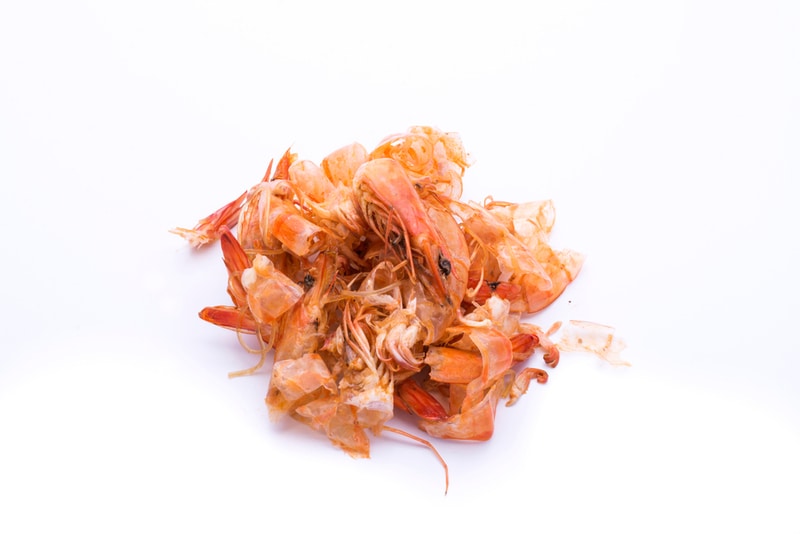
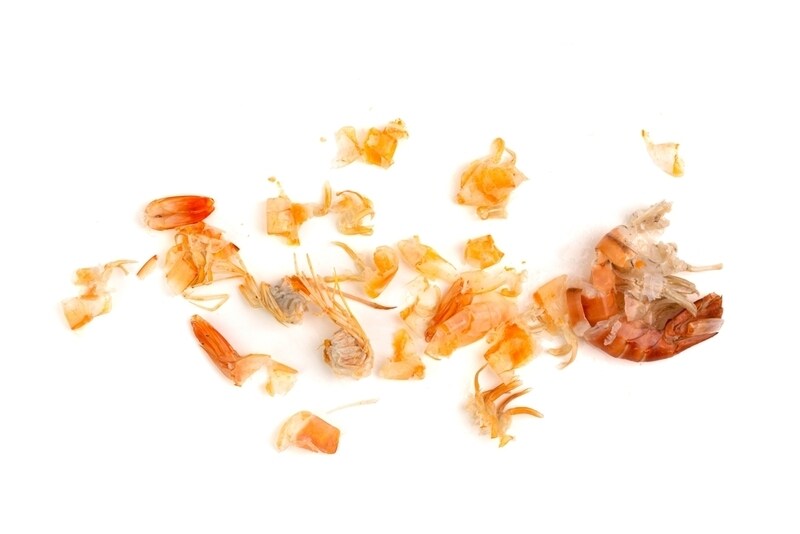
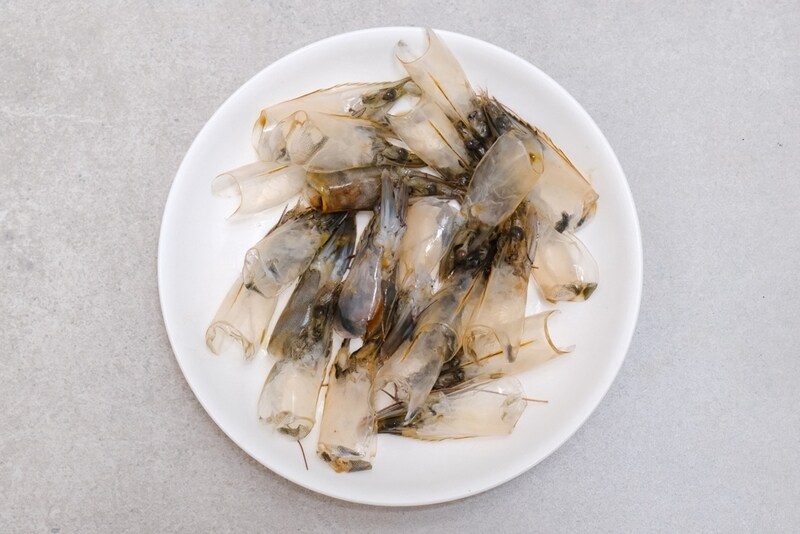
Repurposed Shell: Researchers are developing ways to reuse seafood waste, especially crustacean shells, to craft sustainable materials with minimal environmental impact. From building materials to plastic alternatives, these products prevent these commonly disposed of products from polluting and rotting in landfills.
Insight
Mounting seafood waste and regulatory pressures have led many businesses to invest in solutions that help upcycle byproducts into high-value, biodegradable materials. In response, many are focusing on the extraction and refinement of chitin and chitosan, creating circular economy solutions that replace fossil-fuel-derived alternatives. Companies investing in these projects gain access to tools that help meet environmental regulations, improve ESG credentials, and appeal to eco-conscious buyers.
Trend themes
The extraction of chitin from crustacean shells offers promising alternatives for creating biodegradable materials in place of traditional plastics.
Innovative methods to transform seafood byproducts into new resources are gaining attention as a sustainable solution for waste management.
The integration of circular economy principles in repurposing seafood waste is disrupting traditional waste disposal by creating new marketable products.
Industry implications
The demand for eco-friendly alternatives is driving the development of plastic substitutes made from natural polymers like chitin and chitosan.
Innovations in converting waste into valuable resources are reshaping how industries address environmental and regulatory challenges.
The construction sector is increasingly incorporating repurposed organic materials to innovate sustainable building practices.
Workshop question
Trend signals
Trend score 7.3 out of 10, from popularity 82%, activity 80%, freshness 59%.
Evidence
Natnov Bioscience Has Turned Seafood Waste into New Bio-Economy Products
Biotechnology firms are at the forefront of developing innovative materials that leverage biological processes, such as converting seafood waste into bioplastics.
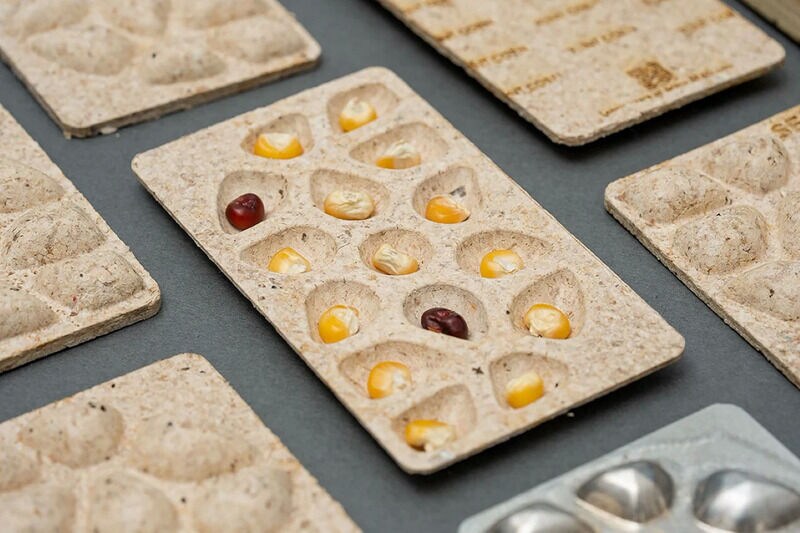
'SEAD' Biodegradable Seed Pods are Made with Chitin
Exploring the use of biodegradable seed pods made from seafood waste in farming practices to reduce environmental impact and enhance sustainability.
Researchers at the University of Sharjah Craft CO₂-Trapping Material
The conversion of shrimp waste into an activated carbon with exceptional CO₂ capture abilities is poised to revolutionize the carbon capture sector.
Qeshour Utilizes Crustacean Shells for its Cutting-Edge Multi-Use Material
Chitosan's potential to replace biodegradable plastics places it at the nexus of the bioplastics industry, poised to disrupt traditional plastic production methods.