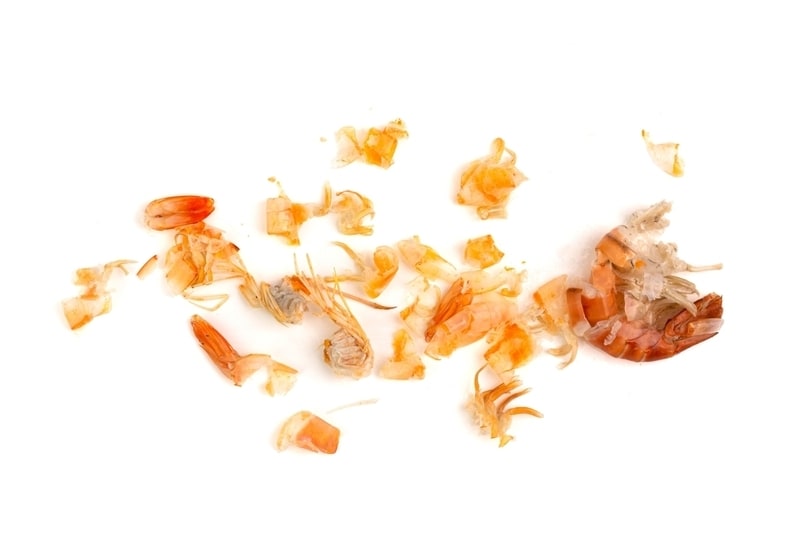
Researchers at the University of Sharjah have developed a way to repurpose discarded shrimp shells, heads, and trimmings into a high-performance material that captures carbon dioxide. Led by Dr. Haif Al-Jomard, the project set out to explore whether shrimp byproducts could play a role in climate mitigation. The team sourced white shrimp waste from Sharjah’s Souq Al Jubail, harvested initially off the coast of Oman, before cleaning and drying the material for testing.
The researchers converted the shells into biochar through oxygen-free heating, then enhanced the material using chemical treatments and mechanical processing to optimize its structure. The project resulted in an activated carbon with a vast surface area, which is highly effective at trapping CO₂. Overall, the research demonstrates how an environmental liability can be reimagined as a practical climate solution.
Image Credit: WIROJE PATHI, Shutterstock
Key Themes Behind This Trend
- Biowaste Repurposing
- Reimagining discarded shrimp shells as CO₂-trapping materials highlights the potential of biowaste in creating sustainable, high-value resources.
- CO₂ Trapping Advancements
- Innovations in activated carbon materials from shrimp waste demonstrate new, efficient approaches in the ongoing battle against climate change.
- Sustainable Material Engineering
- Exploring the transformation of organic waste into useful materials underscores a trend in developing eco-friendly engineering solutions.
Where This Applies
- Carbon Capture Technology
- The conversion of shrimp waste into an activated carbon with exceptional CO₂ capture abilities is poised to revolutionize the carbon capture sector.
- Waste Management Solutions
- Repurposing biological waste into useful products offers waste management industries innovative pathways for reducing environmental impact.
- Marine Byproducts Utilization
- The innovative application of shrimp shell remnants in material science could reshape industries reliant on marine byproduct utilization, adding sustainable value.