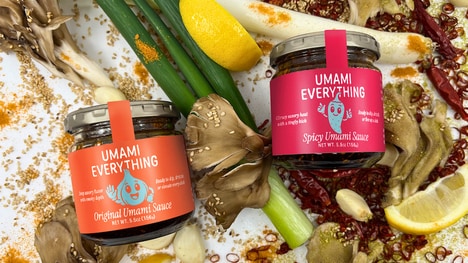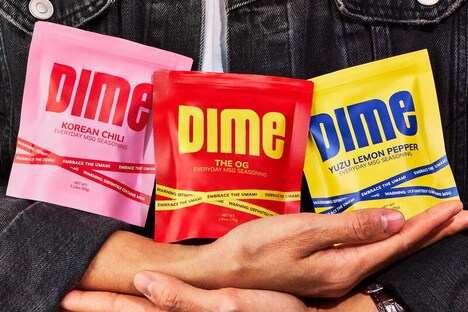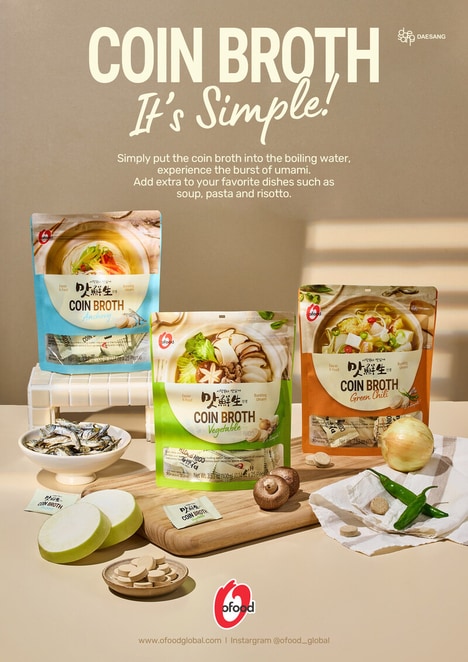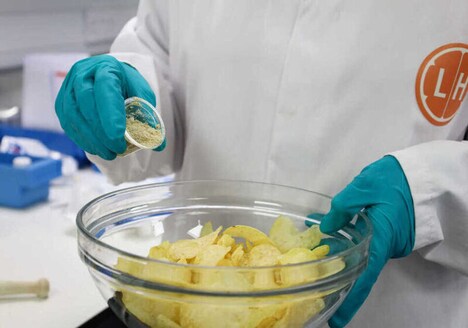
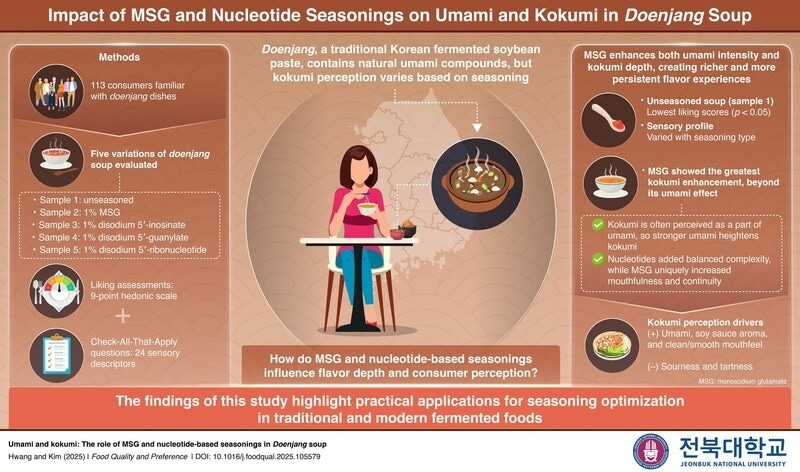
A scientific study conducted at Jeonbuk National University in South Korea has investigated how various taste-enhancing additives alter the sensory experience of Doenjang Soup, a traditional soup based on fermented soybean paste. The research specifically focused on distinguishing between the established concept of umami, which describes a savory taste, and the more complex notion of kokumi, which encompasses sensations of thickness, richness, and a prolonged flavor profile.
In the experiment, a group of over one hundred untrained participants evaluated Doenjang Soup amples containing different seasoning types, including monosodium glutamate (MSG) and various nucleotide-based compounds. The analysis revealed that while MSG was found to intensify perceptions of both umami and kokumi, the nucleotide seasonings primarily heightened only the umami characteristic. Thus, the researchers concluded that the presence of umami is a significant factor in shaping the overall kokumi experience.
Image Credit: Jeonbuk National University
Why This Trend Is Growing
- Kokumi-inspired Seasoning
- Exploring seasonings that enhance kokumi could lead to innovative culinary products that offer richer and more complex flavor profiles.
- Sensory-driven Food Design
- Understanding how additives affect flavor perception can drive the creation of foods that exploit sensory complexities, appealing to sophisticated palates.
- Umami and Nucleotide Integration
- The differentiation between umami and other flavor sensations like kokumi opens up a path for new seasoning blends that balance and elevate traditional tastes.
Industries Being Reshaped
- Food Science and Research
- The increasing focus on sensory experience in food encourages further scientific studies on taste perception and the development of novel taste compounds.
- Culinary Arts and Gastronomy
- Chefs and culinary professionals can innovate by incorporating findings on flavor complexities, creating dishes that offer unique, multi-layered taste experiences.
- Seasoning Production
- Producers of seasonings have the opportunity to develop new products that cater to consumer desires for enriched flavor experiences beyond traditional profiles.