
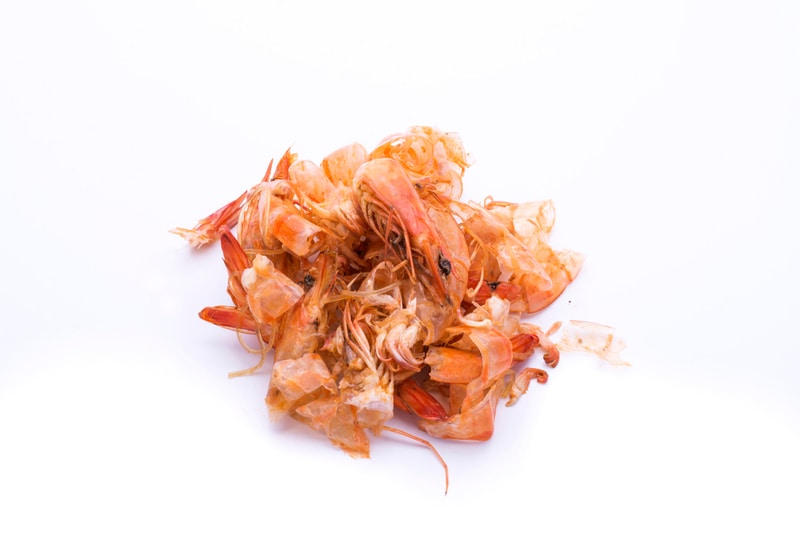
Researchers at Natnov Bioscience, an Odisha-based biotech startup backed by the Union government’s Start-up India initiative and the state’s Mukhya Mantri Krishi Udyog Yojana, are advancing new solutions to tackle seafood waste. In 2025, the company plans to upcycle roughly 5,000 metric tons of discarded marine by-products into bio-economy materials, including next-generation bioplastics.
Using waste from India’s fisheries, the team has created a biodegradable plastic designed to replace conventional synthetic options. During testing, the material exhibited visible breakdown, as evidenced by weight loss and color change over time, underscoring its compostable properties. With particular promise for food packaging, the innovation turns an environmental challenge into a scalable, sustainable resource.
Interested parties can learn more through the startup's website.
Image Credit: WIROJE PATHI
What Makes This Trend Stand Out
- Biodegradable Marine Plastic
- Innovative bioplastics derived from seafood waste offer a sustainable alternative to traditional synthetic plastics that contribute to environmental pollution.
- Circular Bio-economy
- The transformation of marine by-products into valuable materials exemplifies the shift towards a circular economy model that minimizes waste and maximizes resource efficiency.
- Sustainable Food Packaging Solutions
- The development of compostable materials for food packaging addresses the increasing demand for eco-friendly and disposable packaging options in the food industry.
Sectors Adopting This
- Biotechnology
- Biotechnology firms are at the forefront of developing innovative materials that leverage biological processes, such as converting seafood waste into bioplastics.
- Waste Management
- Companies in the waste management sector can explore new revenue streams in waste-to-resource technologies that convert discarded materials into profitable products.
- Food Packaging
- The food packaging industry benefits from sustainable innovations that comply with environmental standards and appeal to eco-conscious consumers.