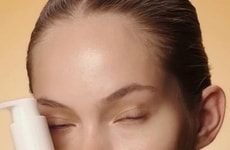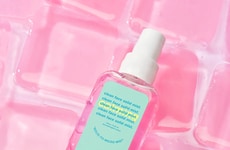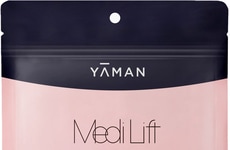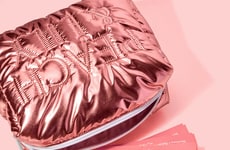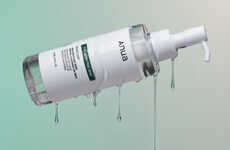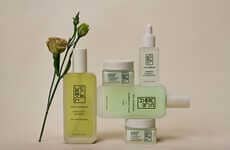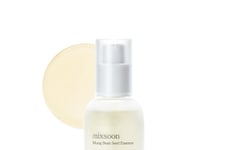
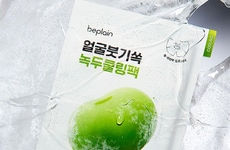
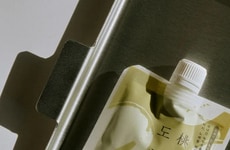
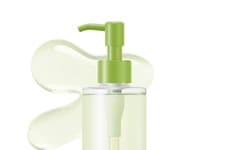
Mung bean is used for soothing, plant-forward skincare formulas
Trend - Mung bean, a legume traditionally used in food, is gaining popularity in skincare for its gentle, naturally beneficial properties. Within the beauty landscape, this unconventional ingredient is used to help calm irritated skin, absorb excess oil, and aid in balancing complexions.
Insight - As skin sensitivity rises—driven by environmental stressors, over-exfoliation, and increasingly complex routines—consumers are gravitating toward gentler, food-derived skincare ingredients. Due to these factors and a growing demand for "food skincare," brands are turning to mung bean, valued for its calming, oil-absorbing, and antioxidant properties. Positioned as a mild alternative to harsher actives, mung bean supports skin balance and barrier comfort while aligning with preferences for natural, low-irritation formulations.
Insight - As skin sensitivity rises—driven by environmental stressors, over-exfoliation, and increasingly complex routines—consumers are gravitating toward gentler, food-derived skincare ingredients. Due to these factors and a growing demand for "food skincare," brands are turning to mung bean, valued for its calming, oil-absorbing, and antioxidant properties. Positioned as a mild alternative to harsher actives, mung bean supports skin balance and barrier comfort while aligning with preferences for natural, low-irritation formulations.
Workshop Question - How can your product strategy adapt to consumers seeking supportive ingredients?
Trend Themes
-
Food-skincare Crossover — A surge in food-derived actives like mung bean points to ingredient pipelines that blur culinary and cosmetic categories, enabling edible-origin formulations that prioritize ingestible-safety profiles and consumer familiarity.
-
Gentle-active Alternatives — Rising skin sensitivity is fueling demand for mild, barrier-supporting substitutes for harsh actives, creating space for novel low-irritation molecules and delivery systems that achieve efficacy without compromise.
-
Multitasking Botanical Formulas — Consumers favor multifunctional products that combine soothing, oil-control and hydrating benefits, indicating potential for concentrated botanical complexes and hybrid formats that replace multi-step routines.
Industry Implications
-
Personal-care Cosmetics — Formulation and branding opportunities exist for companies developing gentle, plant-forward product lines and differentiated sensory formats that cater to sensitive and mixed skin types.
-
Functional-foods and Nutraceuticals — Ingredient suppliers and supplement brands could leverage mung bean's bioactive profile to create oral-beauty solutions and cross-category claims tied to skin health.
-
Textile-and-wearable-beauty — Innovations in microcell fabrics and delivery substrates present possibilities for single-use and reusable mask platforms that enhance ingredient transfer, cooling effects, and fit.