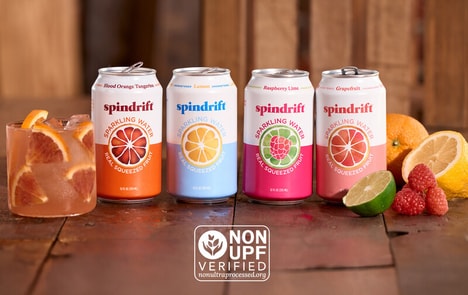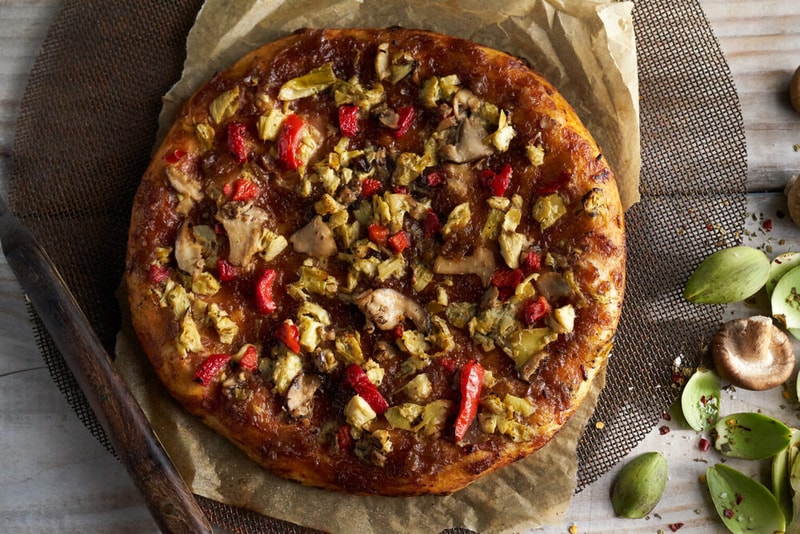
Amy's Kitchen has achieved Non-UPF Verified™ certification for thirty-seven of its products across several major categories, including pizza, soup, chili, beans, and veggie burgers. This designation, which is granted by the Non-GMO Project, signifies that the products have undergone independent third-party review to confirm they are made primarily from minimally processed ingredients and avoid specific industrial additives and manufacturing shortcuts. The certification also takes nutritional criteria into account, such as limits on added sugars and sodium. As such, the Non-UPF Verified™ certification offers a comprehensive assessment that moves beyond a simple ingredient list to evaluate the overall nature of the food production.
For a brand like Amy's Kitchen, which has long marketed itself on principles of organic ingredients and homemade taste, this external validation serves to substantiate its longstanding practices in an era where skepticism of large-scale food production is prevalent.
Image Credit: Amy's Kitchen
Key Themes Behind This Trend
- Rise of Third-party Holistic Certifications
- Independent certifications that assess processing methods and nutrition together create openings for verification platforms and audit technologies that standardize non-UPF claims across brands.
- Consumer Demand for Minimally Processed Foods
- Growing shopper preference for foods made from whole ingredients drives opportunities for product lines and packaging systems that clearly communicate processing provenance and ingredient simplicity.
- Reformulation for Nutritional Thresholds
- Efforts to meet limits on added sugars and sodium encourage innovation in alternative seasoning systems, preservation methods, and clean-label ingredient swaps that preserve shelf life and taste.
Where This Applies
- Packaged Food Manufacturers
- Brands can leverage certification-backed portfolios to differentiate products, prompting investments in processing upgrades, ingredient sourcing, and shelf-stable minimally processed formats.
- Food Retail and Private Label
- Retailers have scope to develop certified non-UPF private-label ranges and in-store communication tools that guide shoppers toward lower-processed options.
- Ingredient Suppliers and Additives
- Suppliers are positioned to create natural preservation technologies and flavor systems tailored to meet strict non-UPF and nutrition criteria while enabling scalable production.