
Category
Lifestyle
Assisted Choices
Restaurants across North America are pairing meats with Nam Jim Jaew for dipping.
Trend
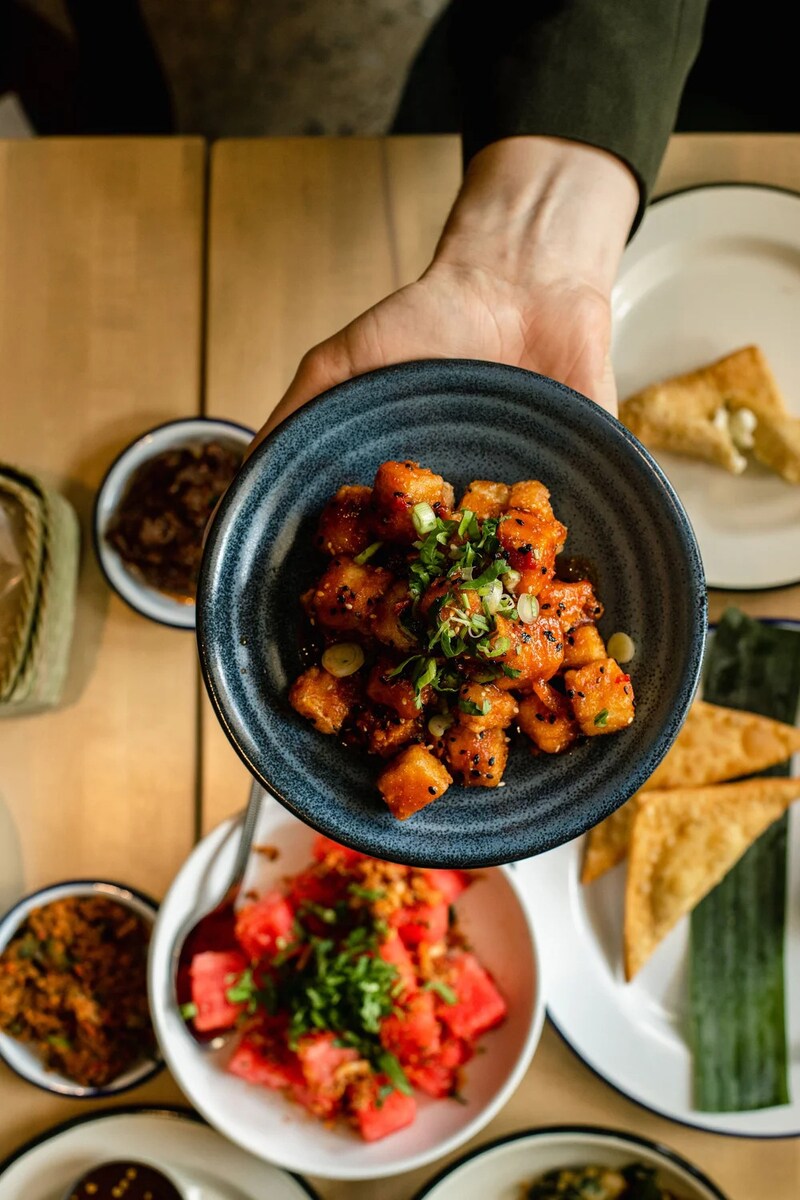
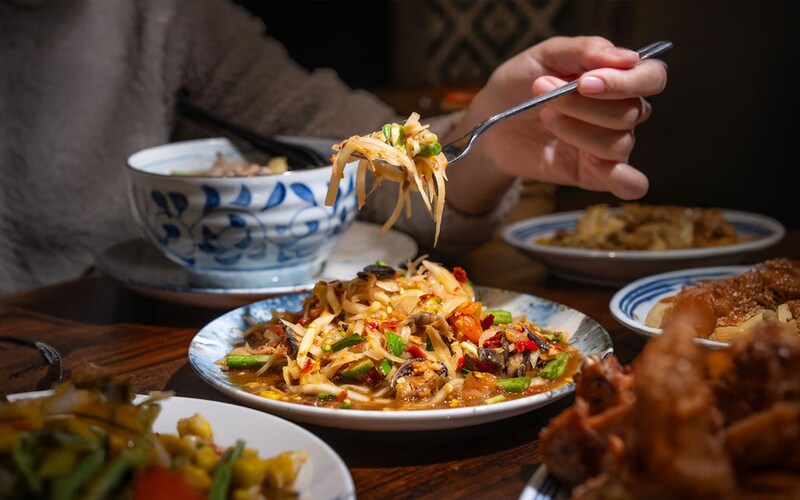
Thai Barbecue: Restaurants across North America are adding Nam Jim Jaew to grilled meat dishes, highlighting its smoky‑spicy‑tangy profile. Chefs use it as a dipping sauce for chicken, pork and beef, positioning it as an approachable entry point to regional Thai flavors and rising interest in Isaan cuisine.
Insight
Diners increasingly seek bold, authentic global flavors but want them delivered in familiar formats. Grilled meats feel safe and recognizable, while sauces can add a fresh, exciting layer of flavor without being too challenging to the palate. These pairings reduce menu risk, helping restaurants introduce regional Thai flavors without overwhelming guests. As Thai and broader Asian cuisines surge in popularity, operators use Nam Jim Jaew to meet demand for authenticity and flavor-forward menus.
Trend themes
A shift toward using bold dipping sauces like Nam Jim Jaew to define familiar grilled-protein dishes creates openings for rethinking menu structures and packaged accompaniment experiences.
Elevated interest in Isaan flavors positions region-specific condiments and preparations as differentiators that can reshape consumer expectations around authenticity in mainstream dining.
Consumers’ preference for recognizable grilled proteins as low-risk vehicles for new flavors enables novel product formats that blend comfort-restaurant formats with exotic taste profiles.
Industry implications
Premium and casual-dining operators can redefine core menu categories by integrating regionally specific sauces as central components of plated experiences.
Scale-oriented producers have room to create shelf-stable, flavor-authentic Nam Jim Jaew variants and co-branded dipping kits tailored to retail and foodservice needs.
Ingredient suppliers focusing on fermented fish, tamarind, roasted chilies, and artisanal spice blends could transform sourcing models to support faster adoption of regional flavors at scale.
Workshop question
Trend signals
Trend score 5.6 out of 10, from popularity 52%, activity 48%, freshness 68%.
Evidence
Gai Noi Offers a Grilled Chicken Dish Paired with Nam Jim Jaew
Specialized menu placements of regional condiments point to new service models where signature accompaniments become branded differentiators for small and fast-casual operators.
Somtum Jinda Offers Grilled Meats with Nam Jim Jaew Sauces
Casual eateries offering grilled meats can leverage the Nam Jim Jaew profile to differentiate menus and attract consumers seeking authentic, punchy flavor experiences.
SOI at Capitol Hill Incorporates Thai Sauces as a Core Menu Component
Chain operators that standardize sauce-centric recipes could enable scalable signature flavor experiences and new licensing or co-branding business models.
Jintana Thai in New York Pairs Grilled Meats with Nam Jim Jaew
Specialty eateries built around integrated sauce-protein pairings suggest a chance for branded dining formats that differentiate through proprietary sauce recipes and plating logi…