
Category
Lifestyle
Gentle Diagnostics
Brands are incorporating beer into food products to enhance flavor.

What's Happening
Beer Bites: As competition intensifies, food and beverage brands are differentiating themselves by introducing beer-infused menu items and packaged goods. From beer-laced desserts to bold soups, these offerings blend craft brewing with everyday foods to deliver distinctive, experience-driven taste profiles.
Insight
Today’s experience-driven consumers are increasingly drawn to bold, layered flavors that elevate everyday eating. As culinary curiosity grows, shoppers are seeking products that feel artisanal, novel, and shareable. For brands in saturated categories, these infusions offer a way to stand out and align with the cultural cachet of the craft beverage movement. Beer-infused foods can tap into this demand by blending familiar comfort items with craft brewing notes like hops, malt, and stout richness.
Trend themes
A surge in combining craft-brew flavor profiles with recipes creates potential for products that reconceptualize taste categories by embedding brewing techniques and hop/malt profiles into mainstream foods.
Cross-brand pop-ups and co-branded limited editions signal a shift toward experiential marketing that can redefine product lifecycles and consumer expectations through culturally resonant partnerships.
The translation of beer flavors into frozen, canned, and ready-to-eat formats points to novel value chains where beverage producers integrate upstream into packaged food innovation, altering supply and category boundaries.
Industry implications
Product formulators and co-manufacturers could be disrupted by new production methods and ingredient sourcing models required to stabilize alcohol-derived flavors across shelf-stable SKUs.
Merchandising and category management stand to change as grocers adapt to hybrid beverage-food SKUs that demand new shelving, cross-promotional strategies, and age-restricted compliance workflows.
Restaurant and event operators may see their value propositions altered by experiential, beer-infused offerings that blur the line between dining, entertainment, and branded retail experiences.
Workshop question
Trend signals
Trend score 7.6 out of 10, from popularity 85%, activity 79%, freshness 66%.
Evidence
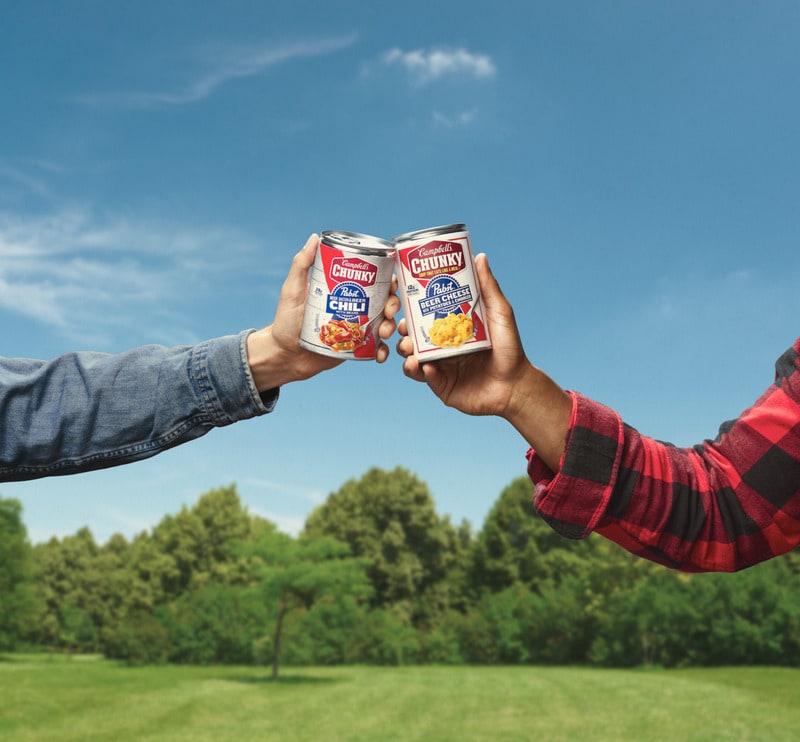
Campbell’s Chunky x Pabst Blue Ribbon Serve Up a Bold Soup Collaboration
The introduction of beer-infused soups exemplifies how the packaged food industry can embrace alcoholic elements to diversify product offerings and meet evolving consumer preferen…
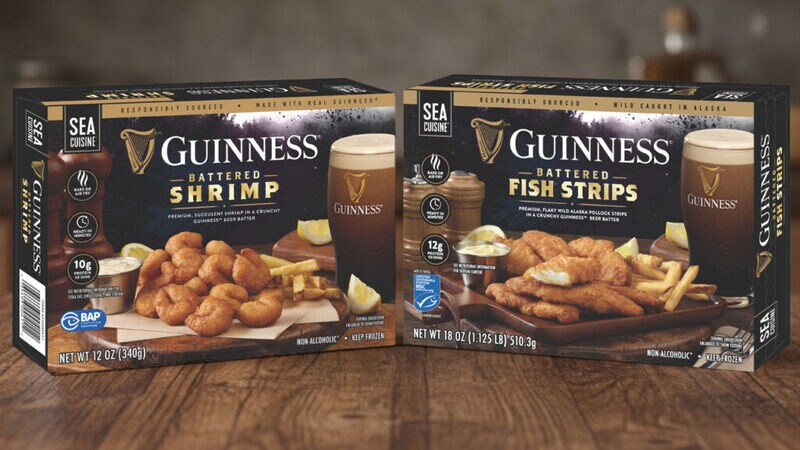
Sea Cuisine and Guinness Partnered to Bring Pub Cuisine Home
Retailers offering branded, gourmet-frozen items can capitalize on shelf-stable, higher-margin products that attract convenience-focused shoppers seeking premium dining experience…
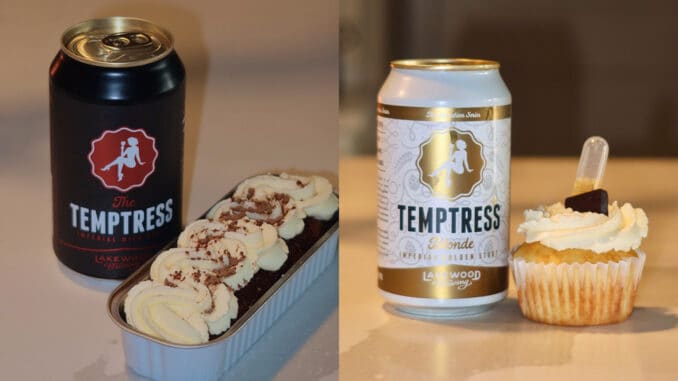
Lakewood Brewing Company Partners with Sweet Dol-Ings
The integration of craft beer into non-traditional food applications showcases the adaptability and breadth of modern brewing.
Leinenkugel x Johnsonville Present the Oktoberfest Beer Brats
The packaged meats industry is evolving through collaboration with beverage brands, presenting opportunities to rejuvenate traditional products with novel taste profiles.