

Category
Lifestyle
Baseline Support
Brands Offer Sustainable Plastic‑free Underwear for Sensitive Skin.



What's Happening
Plastic-Free Undergarment: Clothing brands are launching plastic‑free undergarments made from natural fibers like organic cotton, hemp, and lyocell. These products avoid petroleum‑based synthetics, microplastic‑shedding fabrics, and chemical‑treated elastics, offering biodegradable, low‑impact options for everyday wear.
Insight
Consumers increasingly feel uneasy about synthetic underwear that traps heat, sheds microplastics, irritates sensitive skin, or exposes them to unwanted chemicals. Many experience discomfort, rashes, or reactions from polyester and nylon blends. At the same time, shoppers want to reduce their environmental footprint and avoid contributing to landfill waste or microplastic pollution. These pressures push brands toward plastic?free designs that feel breathable, gentle, and sustainable.
Evidence
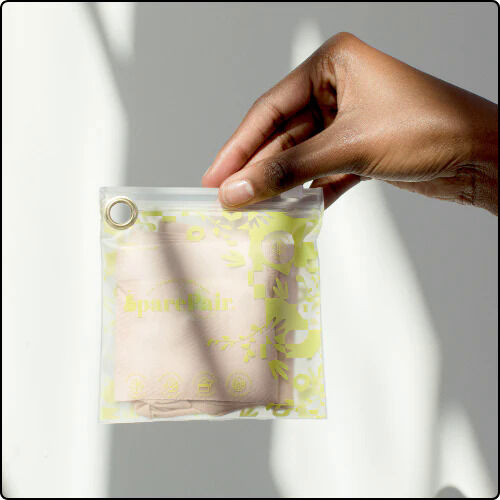
SparePair Figures As a Practical and Trustworthy Solution to Women
The fashion industry's focus on plant-based and biodegradable materials is creating new avenues for sustainable product development.
KENT Unveils 'The Undyed Collection'
KENT Offers Sustainable Underwear and Basics
Intimina Debuts 'Bloom' for Sustainable Period Management
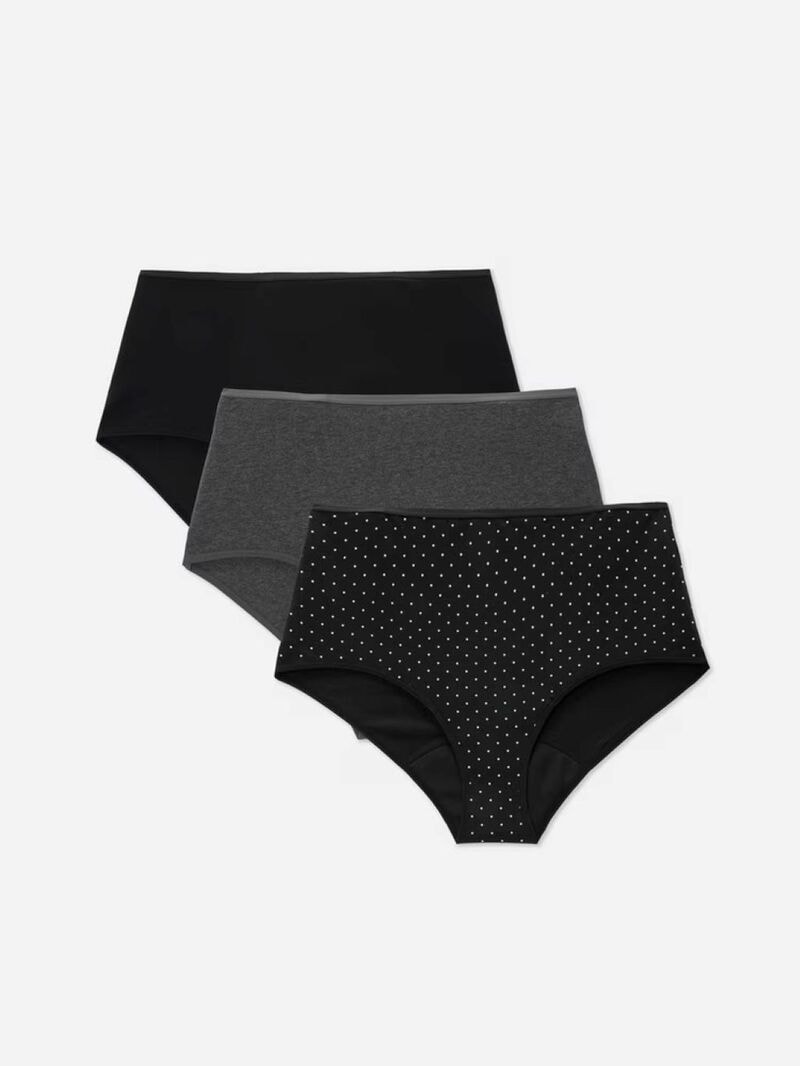
Primark Introduces a Collection of Period Underwear
Workshop question
How can we innovate our product line to prioritize natural materials and sustainability while addressing consumer concerns about comfort, environmental impact, and skin sensitivity?
Trend signals
Trend score 3.4 out of 10, from popularity 17%, activity 20%, freshness 66%.
Trend themes
Natural-fiber underwear signals a shift away from petroleum-based synthetics, creating space for biodegradable basics that reduce irritation, heat retention, and microplastic shedding.
Growing concern over rashes, chemical exposure, and fabric discomfort is reshaping everyday apparel around gentler materials, cleaner processing, and skin-compatible design.
Discreet backup underwear formats reflect a demand for convenience-led personal care products that combine preparedness, comfort, and sustainable packaging.
Industry implications
Eco-conscious apparel brands are positioned to differentiate through compostable materials, low-impact supply chains, and plastic-free garment construction.
The overlap between hygiene, comfort, and skin sensitivity opens opportunities for wearable care products that address daily wellness beyond traditional toiletries.
Innovation in natural fibers, plant-based elastics, and chemical-free finishing can disrupt conventional fabric production for intimate and high-contact garments.