Category
Lifestyle
Sugar Moderation
Travelers explore local food cultures to shape immersive travel experiences.

Trend
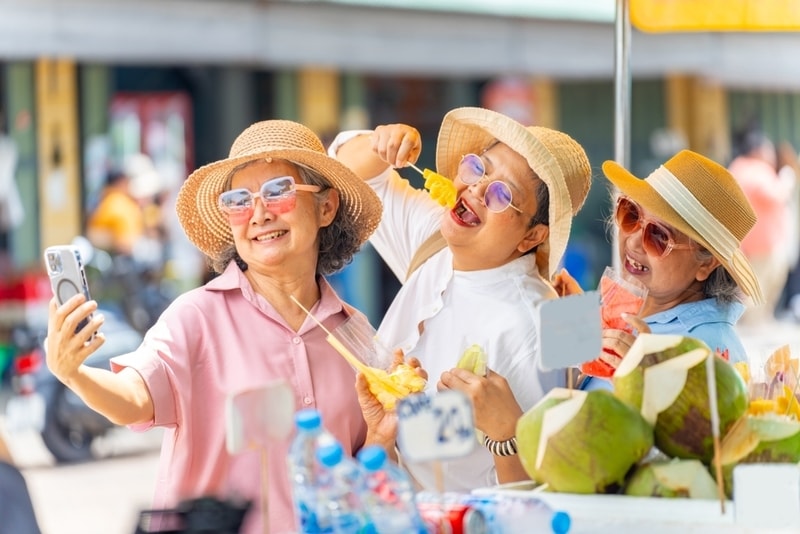
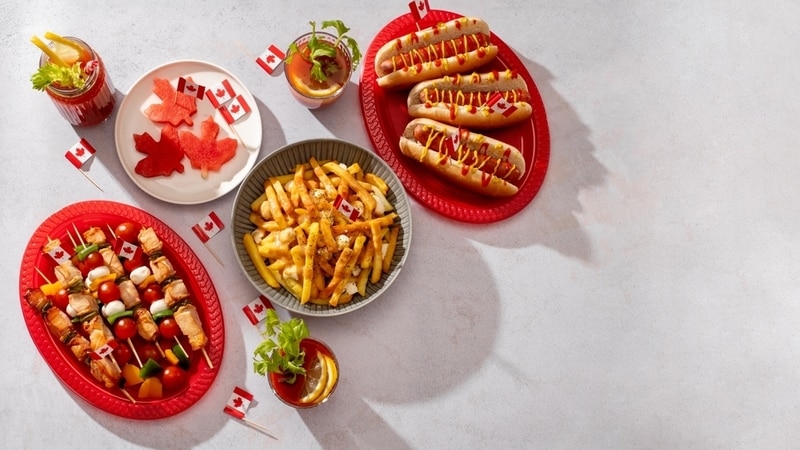
Taste Pursuit: Travel brands are building food-led journeys that submerge travelers in local culinary systems through market visits, farm expeditions, chef collaborations, and regional food trails—positioning cuisine as a central lens for discovering place and identity within travel.
Insight
In a world of increasingly standardized experiences, travelers are still seeking exploration—but with a growing desire for deeper cultural connection and meaning. Due to this, dining is no longer just about consumption, but about understanding the context, traditions, and stories behind what’s on the plate. This shift reflects a broader move away from surface-level excursions, ultimately reframing food as a gateway to more immersive and intentionally grounded travel.
Trend themes
Integrating gastronomy as the primary framework for itineraries creates room for platforms that recombine dining, production-site access, and cultural storytelling into vertically integrated travel products.
Grounding experiences in resident-led activities and artisanal knowledge opens possibilities for distributed marketplace models that monetize hyperlocal guides, kitchens, and micro-ventures.
Framing travel as hands-on education around cooking, provenance, and culinary traditions enables immersive curriculum-driven offerings that blur the line between tourism, certification, and lifelong learning.
Industry implications
A shift toward meaningful, niche journeys signals potential for new tour operators and OTA features that curate deep-dive, theme-based travel portfolios beyond commodity sightseeing.
Demand for authentic, place-based dining points to opportunity for hotels, restaurants, and pop-ups to reconfigure guest experiences around provenance, workshops, and community partnerships.
Increased traveler interest in source-to-plate narratives suggests space for traceability technologies and farm-to-experience models that connect producers directly with visitors and premium channels.
Workshop question
Trend signals
Trend score 6.1 out of 10, from popularity 59%, activity 54%, freshness 71%.
Evidence
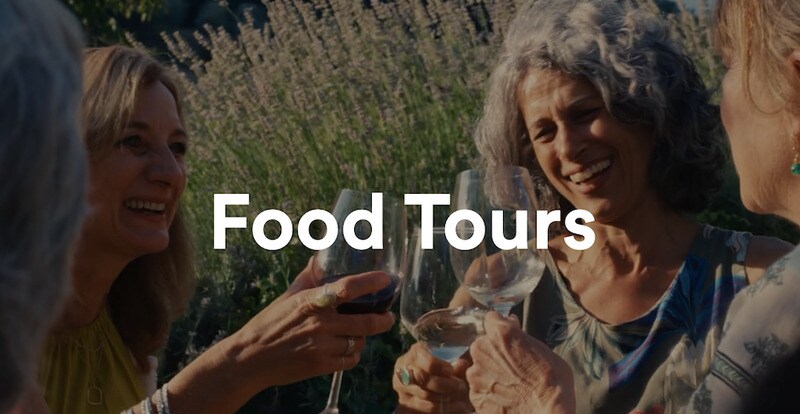
Intrepid Offers a Diverse Range of Food Tours for Curious Travelers
Integration of grassroots, local-led culinary programs is shifting demand toward niche itineraries that prioritize authenticity and community engagement over traditional sightseei…
Trafalgar's Travel Guide Features Curated Music and Cuisine Destinations
Interest in music and civil-rights landmarks signals space for digitized archives and augmented-reality reconstructions that deepen historical engagement.
Air Canada Offers Curated Food Tourism Packages and Guides
Air carriers offering turnkey culinary itineraries blur the line between transportation providers and experience curators, opening new ancillary revenue streams.
EF Go Ahead Tours Launches the Food Tours Collection
Blending cuisine with tourism opens new avenues for businesses to engage food enthusiasts seeking deeper cultural connections.