
Category
Lifestyle
Assisted Choices
Value-driven QSR meal deals appeal to cost-conscious consumers.
Trend
Budget Combo: QSR brands are increasingly promoting value-driven meal options that bundle core menu items at a lower price point. These offers emphasize affordability, convenience, and portion value, often marketed as limited-time deals or everyday staples.
Insight
Ongoing economic pressures are reshaping how consumers approach dining, with greater emphasis on perceived value and cost efficiency. Rather than cutting out QSR entirely, many consumers are trading down to bundled meals that offer a sense of savings without sacrificing convenience or familiarity. This shift highlights a growing expectation for brands to deliver both affordability and satisfaction, reinforcing value as a key driver of loyalty and repeat visits.
Trend themes
Bundled meal packages that combine mains, sides and beverages at sharply reduced prices create room for new modular product architectures and low-cost menu ecosystems.
Personalized mix-and-match offerings at budget price points reveal potential for scalable customization platforms that maintain margin through ingredient standardization.
Elevating perceived quality within value tiers by incorporating premium flavors and formats points to opportunities for hybrid menu tiers that merge affordability with aspirational ingredients.
Industry implications
High-frequency purchase behavior and tight cost controls in QSRs make them fertile ground for operational innovations that compress food costs while expanding perceived value.
The shift toward bundled, value-priced meals influences last-mile packaging, dynamic pricing algorithms and partnership models between brands and platforms.
Demand for cost-effective yet flavorful components encourages ingredient engineering, multi-use formulations and co-manufacturing approaches that lower unit costs at scale.
Workshop question
Trend signals
Trend score 7.3 out of 10, from popularity 75%, activity 73%, freshness 71%.
Evidence
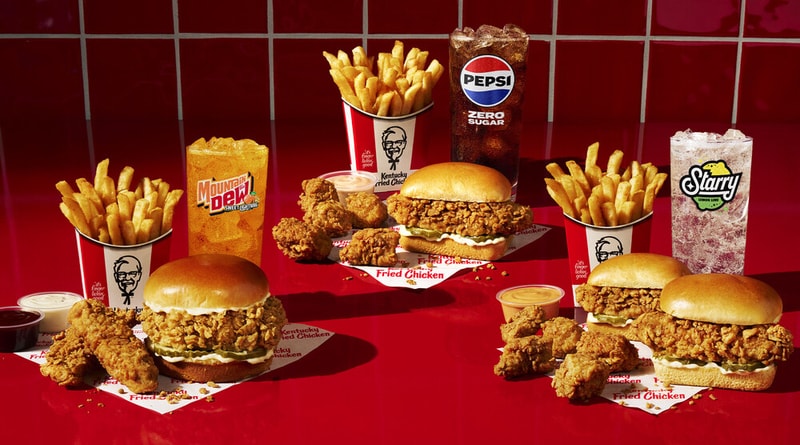
KFC's Value Feast Lineup Delivers Substantial Savings
Emphasis on low-price bundled offerings has the potential to reshape competitive positioning and cost structures in fast-food chains.
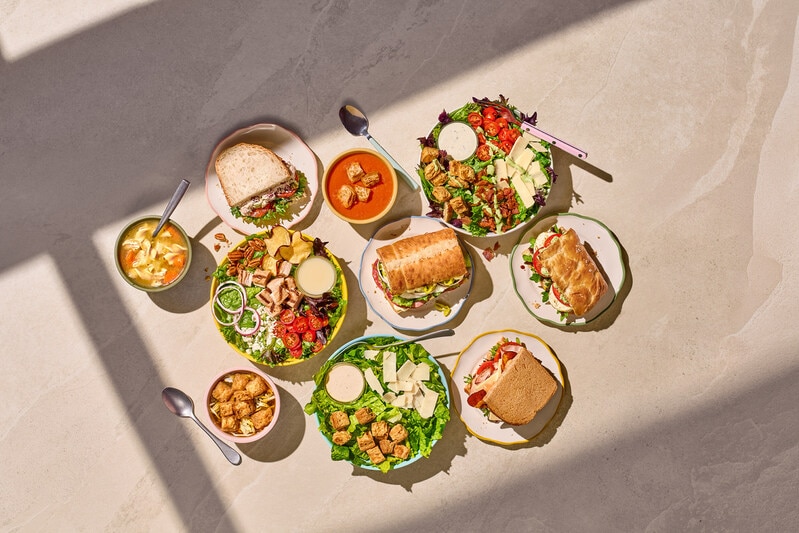
Panera Bread is Introducing the Mix & Match Value Menu
Menu tiering that pairs value bundles with signature items is altering competitive dynamics by expanding addressable markets and changing visit frequency patterns among price-sens…
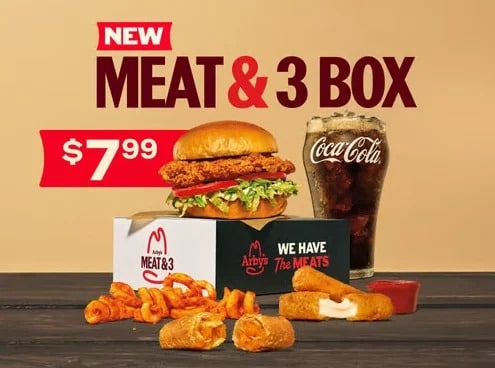
Arby's Meat & 3 Box is Packed With Mains and Sides
As consumer preferences shift toward value and variety, fast food chains are innovating their menu structures to maintain competitiveness and meet market demands.
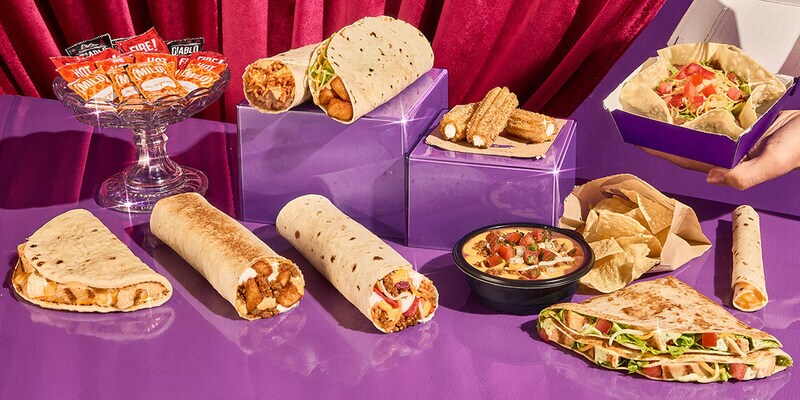
Taco Bell Introduces its New 'Luxe Value Menu' Across the U.S.
The introduction of elevated yet affordable menu options is impacting the fast casual dining industry by blending premium ingredients with value pricing.