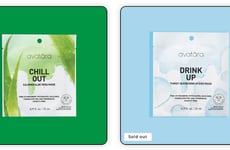



Brands Launch Skincare Designed to Adjust to Shifting Environments
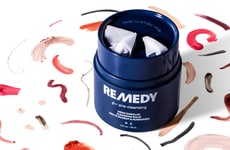
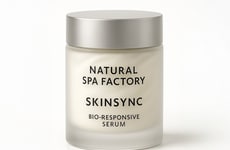
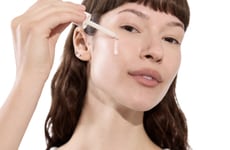
Trend - Cosmetics brands are releasing climate‑adaptive skincare solutions such as moisturizers, serums and SPF hybrids that adjust to humidity, temperature, pollution levels and seasonal changes. These formulas use adaptive polymers, barrier‑supporting ingredients and textures to help skin stay healthy.
Insight - Consumers increasingly struggle with skin that reacts to weather swings such as dryness in winter, oiliness in humidity, irritation from heat, or flare?ups during rapid temperature shifts. Many feel frustrated that their usual products stop working when the climate changes, forcing constant trial?and?error. At the same time, people want routines that feel simpler, not heavier or more complicated. Brands respond to these pressures with flexible formulas that adjust to reduce guesswork.
Insight - Consumers increasingly struggle with skin that reacts to weather swings such as dryness in winter, oiliness in humidity, irritation from heat, or flare?ups during rapid temperature shifts. Many feel frustrated that their usual products stop working when the climate changes, forcing constant trial?and?error. At the same time, people want routines that feel simpler, not heavier or more complicated. Brands respond to these pressures with flexible formulas that adjust to reduce guesswork.
Workshop Question - How could your brand innovate products or services that seamlessly adapt to dynamic environmental conditions to enhance customer experiences and simplify their daily routines?
Trend Themes
-
Climate-responsive Formulations — Adaptive polymers and bioinspired actives that modulate barrier function and hydration in response to humidity, temperature and pollution create room for products that maintain consistent efficacy across shifting environments.
-
Multifunctional Minimalist Routines — Consolidated 2‑in‑1 and hybrid textures that combine serum, oil and SPF functions point to formulations that reduce regimen complexity while delivering layered, context‑dependent performance.
-
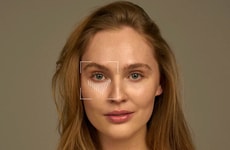
Smart Personalized Devices — Integrated at‑home systems linking real‑time biometric, environmental and skin imaging data with adaptive delivery mechanisms suggest new product ecosystems that tailor treatments to daily physiological and climatic variance.
Industry Implications
-
Beauty and Personal Care — Ingredient innovation and formulation science in this sector are positioned to pivot from static products to dynamic, climate‑adaptive lines that target resilience and barrier modulation.
-
Packaging and Materials — Reusable applicators, multi‑component dispensing and responsive packaging materials offer pathways to reduce waste while enabling precise, environment‑sensitive product delivery.
-
Health Tech and Diagnostics — Wearable and at‑home sensors combined with predictive analytics are enabling a shift toward personalized skincare regimens informed by sleep, nutrition, glucose and local environmental metrics.