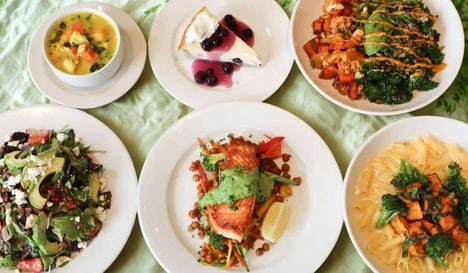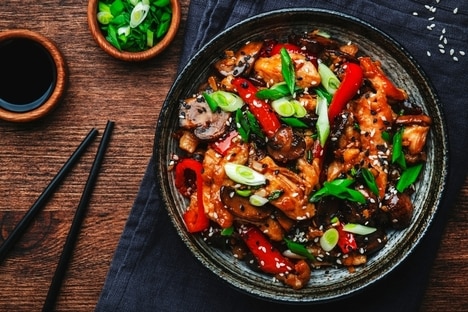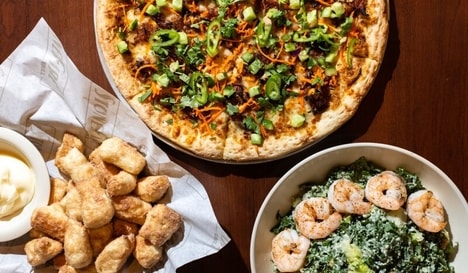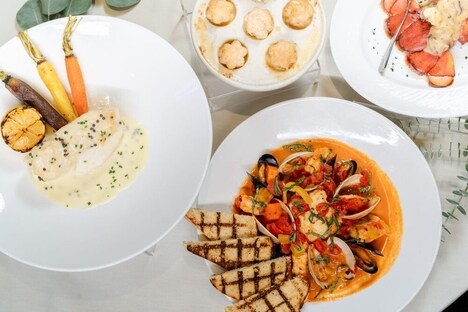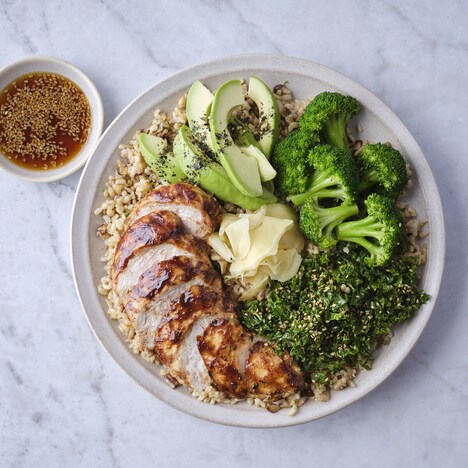
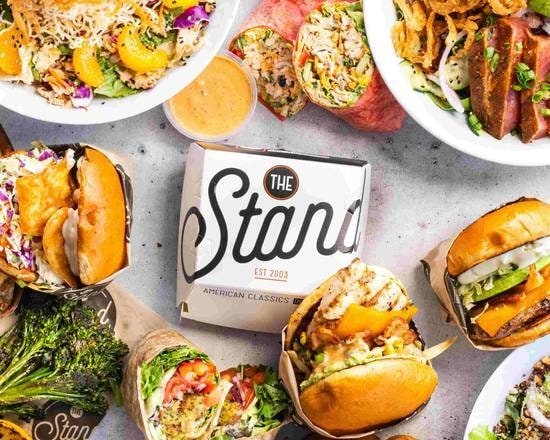
Community-centric fast casual is driving restaurant growth by combining expansion with localized experiences, flexible service formats and deeper neighborhood engagement. The Stand is accelerating its Southern California footprint with new locations in Mission Valley, Encinitas and Temecula while continuing to invest in catering, seasonal menu offerings, loyalty features and community fundraising initiatives. Rather than relying solely on new store openings, the brand is positioning each location as a gathering place with family-friendly spaces, pet-friendly patios, expanded dining areas and partnerships that support local schools and charitable organizations.
This strategy reflects how fast-casual brands are increasingly differentiating through hospitality and community presence instead of menu offerings alone. By pairing scalable operations with locally tailored experiences, restaurants can strengthen customer loyalty, generate repeat visits and create new revenue streams through catering, events and rewards programs. As competition intensifies, brands that embed themselves within local communities may be better positioned to sustain long-term growth while building stronger emotional connections with guests.
Image Credit: The Stand
Part of the cluster
Participatory Retail
Stores are becoming hands-on learning environments for shoppers
Explore the cluster



Key Themes Behind This Trend
- Localized Fast Casual
- Neighborhood-specific restaurant design, menu timing and community partnerships create space for scalable chains to feel locally embedded rather than uniformly replicated.
- Hospitality-led Loyalty
- Emotional connection becomes a differentiator as rewards, fundraising programs and family-friendly environments turn transactional dining into recurring community participation.
- Flexible Restaurant Formats
- Catering, patios, expanded dining areas and event-ready spaces reflect a shift toward fast-casual locations that generate revenue beyond traditional dine-in visits.
Where This Applies
- Fast Casual Dining
- Competitive advantage is increasingly shaped by brands that pair operational efficiency with localized hospitality, community visibility and repeat-visit incentives.
- Restaurant Technology
- Digital loyalty platforms, catering systems and customer data tools support more personalized neighborhood engagement across expanding multi-location restaurant networks.
- Commercial Real Estate
- Retail sites with outdoor seating, larger dining zones and community gathering potential become more valuable as restaurants prioritize flexible, experience-driven footprints.