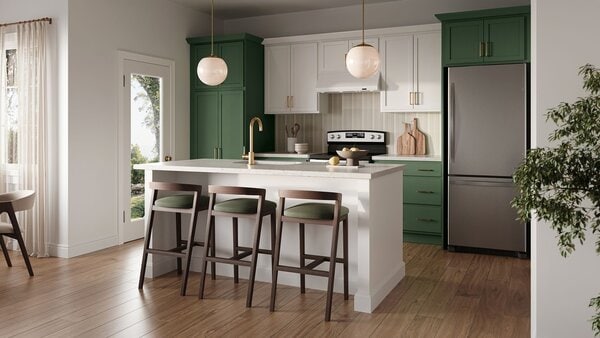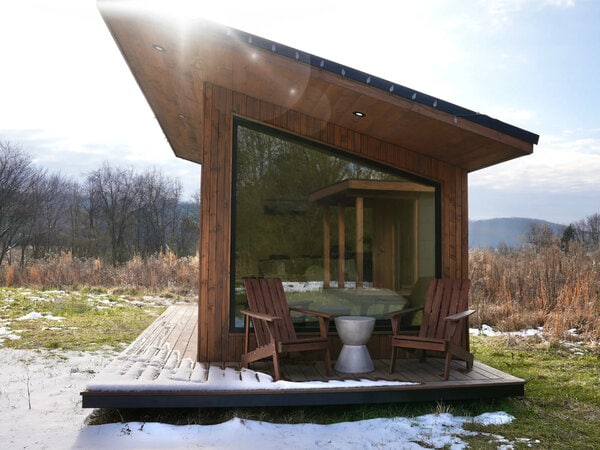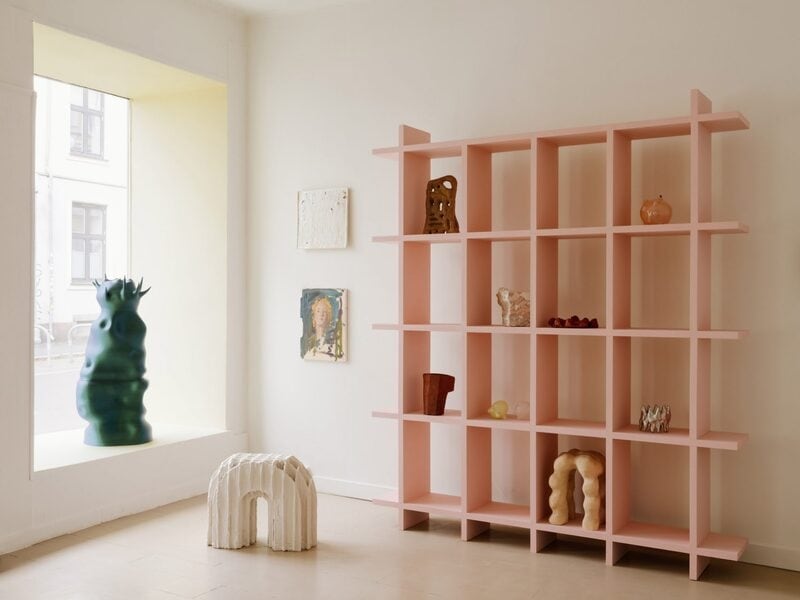
The D14.2 concept store in Oslo rethinks the shopping experience by combining retail, lifestyle, and community space within a carefully calibrated architectural setting. The interior uses expansive glazing and raw materials such as cedar and rusted steel to blur the boundary between the street and the showroom. Custom display fixtures and modular seating areas invite visitors to linger rather than rush. The plan is arranged to create discovery through everyday movement rather than directed circulation, allowing product, people, and place to intersect naturally.
Lighting is treated as part of the spatial grammar, with daylight filtered through louvers and artificial fixtures conventional in appearance yet engineered for comfort and variation. The overall atmosphere is rooted in Scandinavian calm but layered with unexpected detail—half-hidden shelving, pivoting walls, and moments of texture contrast. D14.2 represents a new model for concept stores where architecture and retail strategy converge into an experiential whole.
Image Credit: Cronje Strøm?
Part of the cluster
Participatory Retail
Stores are becoming hands-on learning environments for shoppers
Explore the cluster
What Makes This Trend Stand Out
- Blended Retail Spaces
- Integrating community, lifestyle, and retail areas in a singular space creates a blended environment that enhances customer engagement and prolongs visitor stay.
- Material Transparency
- Using materials like expansive glazing, cedar, and rusted steel to blur indoor and outdoor boundaries stimulates an immersive and authentic shopping experience.
- Dynamic Spatial Design
- Incorporating modular seating and versatile fixtures allows the retail space to adapt and facilitate organic interactions among products, consumers, and the environment.
Sectors Adopting This
- Experiential Retail
- The fusion of architectural design with retail strategy is reshaping the experiential retail industry by prioritizing engagement over traditional product displays.
- Architectural Design
- Architecture plays a transformative role by integrating aesthetic elements with functional retail spaces, setting a new standard for store design.
- Interior Design
- Advanced interior design techniques are being leveraged to create spaces that encourage lingering and promote discovery through natural rather than structured movement.