



Category
Tech
Delegated Interfaces
Drones are used to monitor and enhance ecological environments.
Trend
Ecological Drone: Drone technology's incorporation in the process of improving the quality of ecological areas can be observed both underwater and in the air. The use of drones in this way has the benefit of making ecological monitoring more accessible, and is increasingly crucial as climate change accelerates.
Insight
Non-invasive environmental solutions that mitigate climate change's impact are crucial in the process of reversing trends like pollution and global warming. The common interest of people around the world is effective measures that track and monitor both local and global environmental changes, in order for experts to find long-term solutions.
Trend themes
Drones can be used underwater and in the air to improve the quality of ecological areas, making monitoring more accessible and crucial as climate change accelerates.
Autonomous drones that detect harmful gases in the air, produced from vehicular exhaust pipes, gas leaks, and everyday products like glue, offer a proactive system that monitors pollution, with potential applications in commercial and industrial settings.
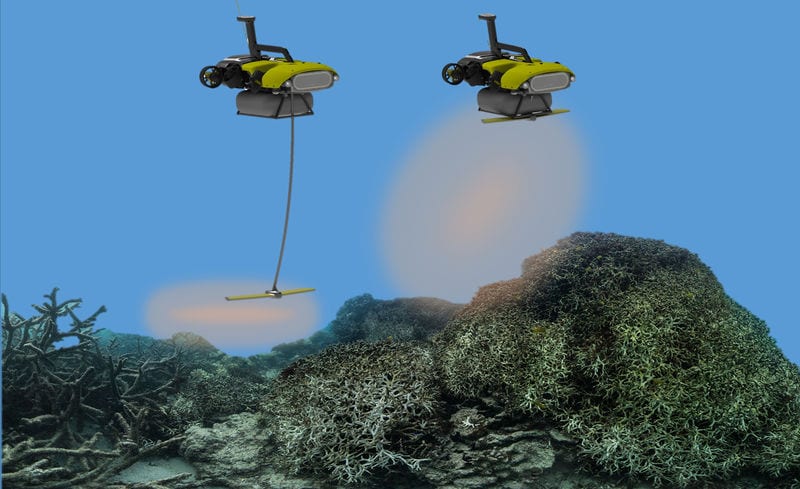
Robotic solutions, such as the Coral Reef-Saving Robots like LarvalBot, with the potential to revolutionize coral restoration on reefs worldwide, demonstrate the importance of autonomous technologies in protecting ocean reefs, which play a crucial role in marine ecosystems.
Industry implications
Non-invasive environmental solutions that mitigate climate change's impact are crucial in reversing trends like pollution and global warming, and innovative drone-based technologies offer effective measures to track and monitor both local and global environmental changes, enabling experts to find long-term solutions.
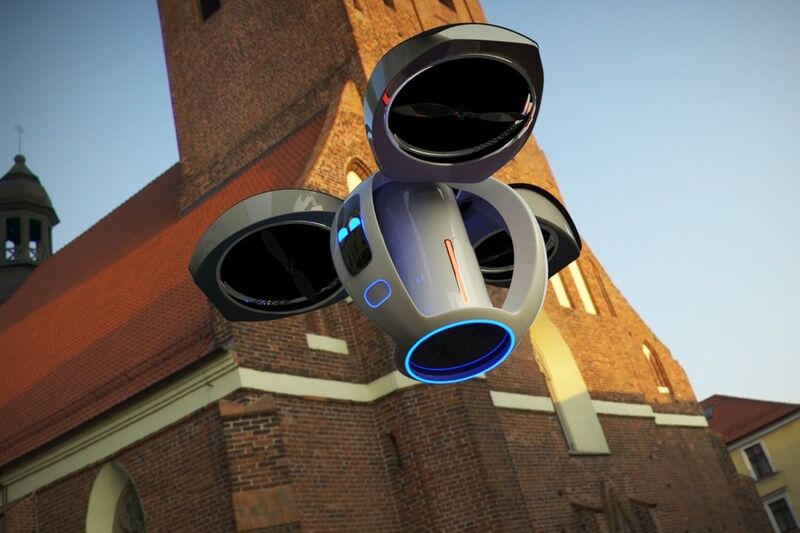
Environments rife with pollution can be detrimental to people's health, highlighting the importance of air purification technologies that will clean the air as drones fly to create healthier air and living conditions by instilling positive habits amongst users that might otherwise not know how they can help out when it comes to environmental pollution.
The use of drones in ecological monitoring, pollution detection, and robotic coral restoration demonstrates the opportunities available with robotic solutions and autonomous technologies designed to work in extreme environments to preserve natural habitats and ecosystems.
Workshop question
Trend signals
Trend score 3.0 out of 10, from popularity 42%, activity 38%, freshness 8%.
Evidence
LarvalBot Will Help Spread Coral Spores at an Incredible Rate
The robotics industry has opportunities in developing marine robots for ecological missions such as coral restoration.
The 'D’Or' Drone Packs AR Technology and Air Filtration Capabilities
Opportunity for disruptive innovation: Combine drone technology and air purification to create solutions for combating pollution in urban areas.
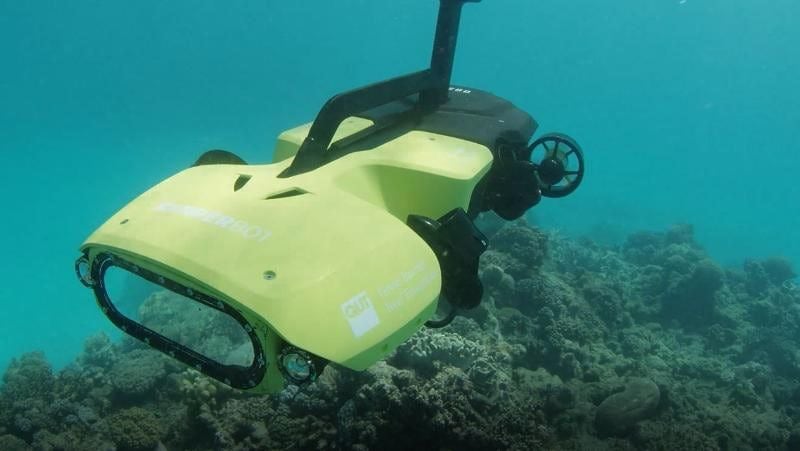
The 'RangerBot' Can Assess Problems In Coral Reefs
Developing advanced technologies and underwater drones for ocean conservation and coral reef monitoring.
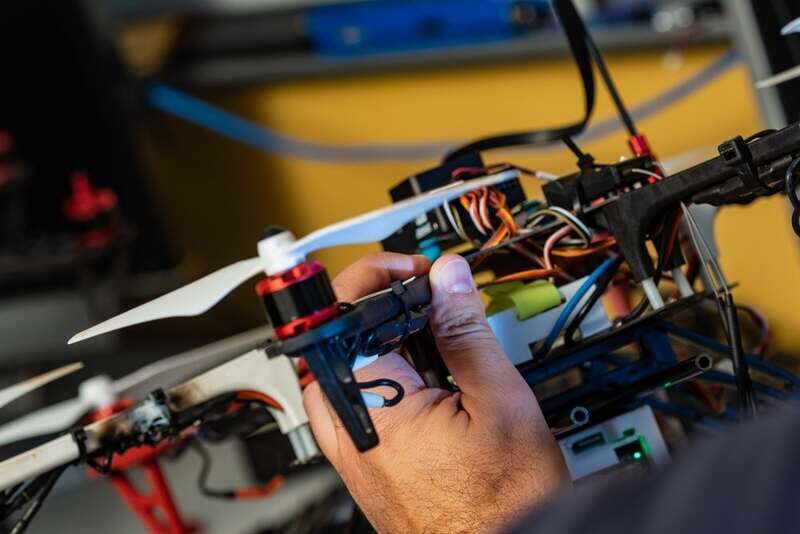
These Autonomous Drones Can Detect Harmful Gases In the Air
The environmental monitoring industry could benefit from the use of autonomous drones to detect and report pollution






