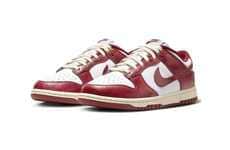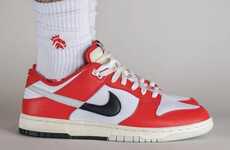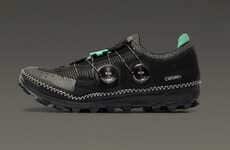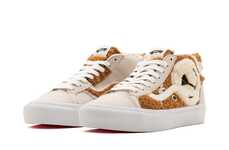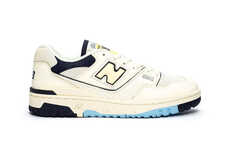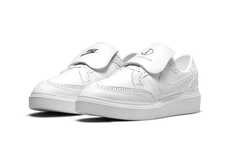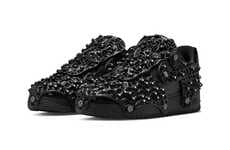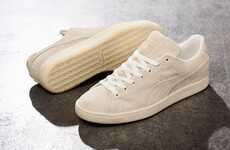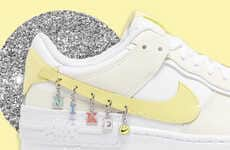



Vegan leather made from pineapple waste materials is used to make footwear
Trend - As the process of upcycling waste materials becomes more common, leather made from pineapple is increasingly being used to create sustainable footwear that's as sturdy as traditional leather designs.
Insight - Environment-related guilt is becoming more common among consumers as sustainability becomes more important to them. With this guilt comes changes in how consumers are making purchase decisions--usually in the small aspects of their lifestyles that are more easily adapted to be more sustainable.
Insight - Environment-related guilt is becoming more common among consumers as sustainability becomes more important to them. With this guilt comes changes in how consumers are making purchase decisions--usually in the small aspects of their lifestyles that are more easily adapted to be more sustainable.
Workshop Question - How could your brand better prioritize sustainability?
Trend Themes
-
Upcycling — With consumers' increasing priority on sustainability, upcycling waste materials--such as pineapple leaves or apple skin--for leather production is becoming more popular among footwear brands.
-
Plant-based Materials — The growing demand for vegan and cruelty-free products has led footwear companies to explore using plant-based materials, such as Piñatex from pineapple waste, to create sustainable alternatives to traditional leather.
-
Eco-friendly Branding — Eco-conscious branding is becoming increasingly important for footwear brands, as more consumers shift toward environmentally-friendly options and seek brands that align with their values.
Industry Implications
-
Sustainable Footwear — The footwear industry can consider incorporating plant-based materials and upcycling into their production process to create eco-friendly products that cater to consumers' increasing demand for sustainability.
-
Fashion — Sustainability in fashion remains a topic of considerable interest to consumers. Footwear companies can leverage sustainable practices in manufacturing to align with this trend and stand out among consumers.
-
Agriculture/waste Management — Waste pineapple leaves as well as other agricultural byproducts can be utilized for alternative textile production.