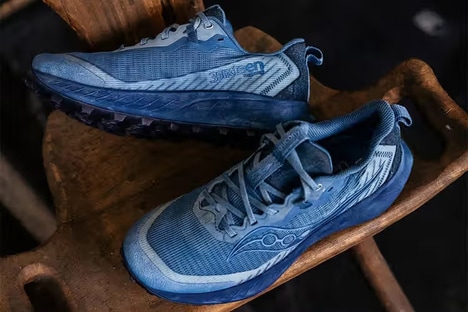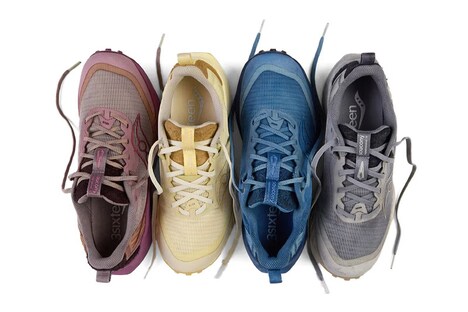

Footwear imprint Saucont introduces its new Saucony RFG Pack of sneakers that update archival sneakers in an eco-friendly route for the season. The brand unveils new iterations of the Jazz Court sneaker, the Shadow 6000, and the Jazz 81 sneaker.
Saucony uses Piñatex, a by-product of pineapple farming, that is transformed into a plant-based alternative to leather for an eco-friendly option. Every upper uses the Piñatex material as the paneling details that are fused together using recycled fabrication. It is also paired with plant-based mesh and secured with hemp laces to ensure that it is sustainable through and through. It is designed in the shade of Sage and Artichoke and all have a pineapple on the tongue to round it out.
Image Credit: Saucony
Why This Trend Is Growing
- Eco-friendly Footwear
- There is an opportunity for shoe manufacturers to incorporate sustainable materials such as Piñatex into their products for a more environmentally friendly option.
- Plant-based Leather Alternatives
- Companies can explore the use of Piñatex or other plant-based materials as a replacement for traditional leather in various industries, including fashion and home goods.
- Innovative Sneaker Designs
- Sneaker brands can create unique designs using eco-friendly and sustainable materials, such as those featured in Saucony's RFG Pack, to satisfy consumer demand for both style and sustainability.
Industries Being Reshaped
- Fashion
- Fashion brands can explore the use of eco-friendly materials in their products, such as Piñatex, to appeal to consumers' demand for sustainable and ethical fashion options.
- Footwear
- Shoe manufacturers can incorporate sustainable materials such as Piñatex into their shoe designs to create footwear that is both stylish and environmentally friendly.
- Home Goods
- Manufacturers of home goods such as furniture and decor can explore the use of plant-based materials, such as Piñatex, as a replacement for traditional leather or other materials to create more eco-friendly products.