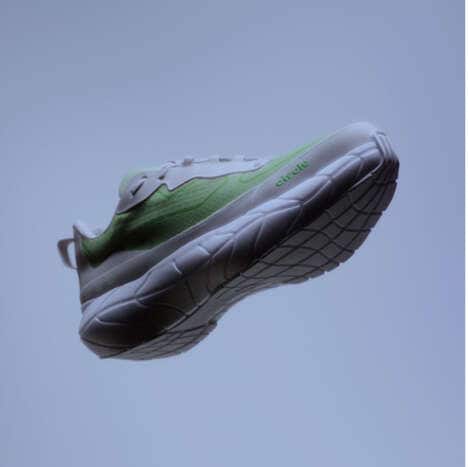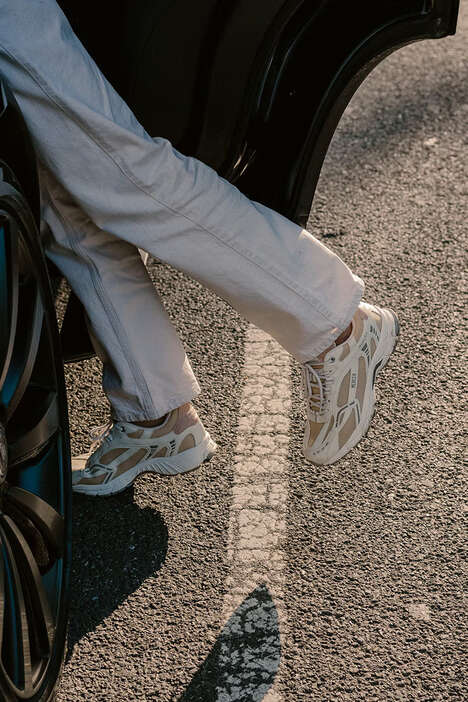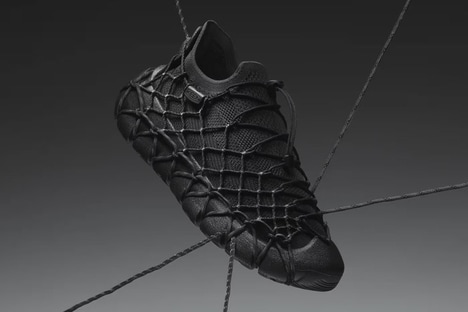
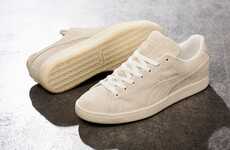

Footwear giant PUMA has announced the launch of the Re:Suede, an eco-friendly iteration of its classic Suede sneaker model. Interestingly, the sneaker arrives as a part of the brand's broader pilot scheme to develop and produce a fully biodegradable sneaker.
The Re:Suede utilizes a variety of innovative, planet-saving materials such as a Zeology tanned suede, biodegradable TPE, and robust hemp fibers. Unfortunately, the new sneaker is unavailable for purchase and is only being used as a test model for the brand's new eco-conscious initiatives.
According to PUMA, 500 participants have been selected in Germany to wear the innovative new sneaker for six months, allowing the brand to monitor its long-term durability and functionality. After the six months, participants will send the shoes back to PUMA, where they will undergo an industrial biodegradation process.
Image Credit: Puma
Why This Trend Is Growing
- Biodegradable Sneakers
- There is an opportunity for footwear brands to invest in plant-based materials and biodegradable alternatives to traditional sneaker materials.
- Sustainable Fashion
- Sustainability in fashion continues to be a growing trend, and brands that prioritize eco-friendly materials and production methods can gain a competitive edge.
- Circular Economy
- The development of circular production methods and closed-loop systems to reduce waste can play a significant role in the future of sustainable fashion.
Industries Being Reshaped
- Footwear
- The footwear industry has an opportunity to invest in sustainable materials and develop environmentally friendly production methods.
- Fashion
- The fashion industry as a whole can benefit from prioritizing sustainability and significantly reduce its environmental impact.
- Sustainability Consulting
- Consulting firms specializing in sustainable practices can serve as experts for fashion and footwear brands looking to prioritize sustainability in their production processes.