
Category
Art & Design
Reactive Accents
Companies are using digital twins to test virtual counterparts of their products.


What's Happening
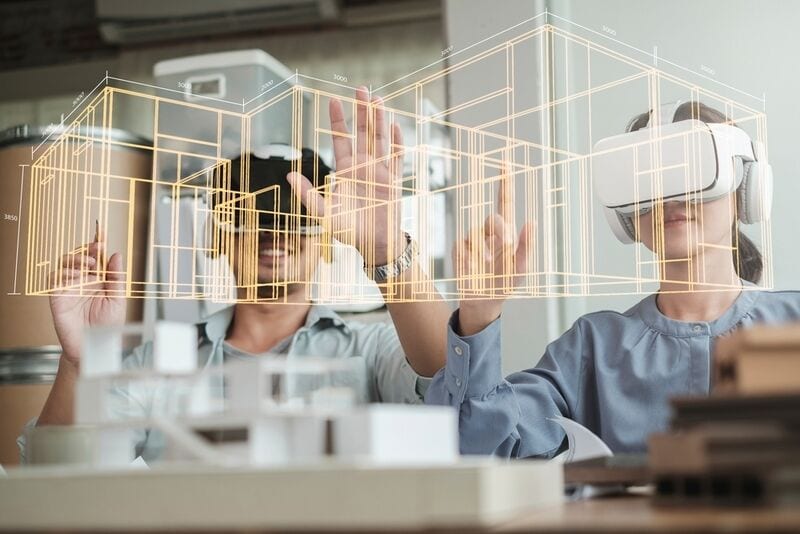
Digital Twin: Numerous companies, especially those in the automotive, engineering, and architecture space, are using IoT and VR-based systems to create precise digital representations of their products and systems. These lifelike models are then tested virtually as a way to guide product development.
Insight
When it comes to large-scale buildings, automotive vehicles, and other complex infrastructure, visualizing and troubleshooting these products during their development phase can be incredibly costly. As a result, a wide range of businesses are turning to digital twin technology to create exact virtual replicas of their products -- whether these be jet fuel engines, electric cars, or sustainable condominiums -- which they can then test and assess digitally.
Evidence
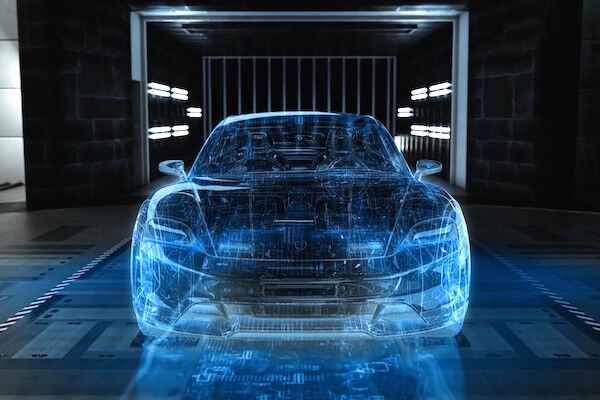
A Porsche Digital Twin Pairs a Real Car with a Virtual Copy of Itself
The Porsche Digital Twin concept unlocks innovation opportunities for car manufacturers to apply virtual twin technology to enhance future car models.
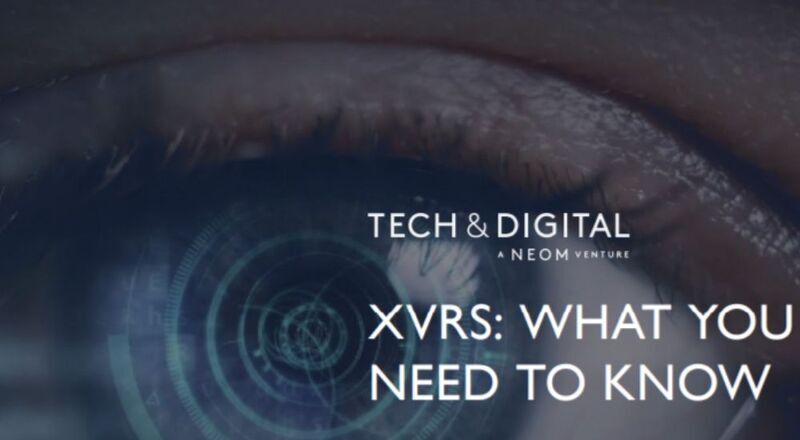
XVRS is a Metaverse Platform That Mixes Real and Virtual Worlds
The integration of physical spaces into 3D metaverse platforms provides opportunities for virtual tourism to explore real-world locations in immersive ways.
'MetaGen' Aims to Bring AI-Powered Services to the Metaverse
The entertainment industry can take advantage of AI-powered virtual YouTubers and AI Friends in the metaverse, leading to new forms of digital interactions with NPCs and greater e…
Nexar is Developing Real-Time Digital Twins Of Roads
Nexar's technology has a multitude of potential applications for informing municipal transportation policies and training autonomous vehicles.
Lumea Launches Digital Portfolio for Virtual Inspections
Wireless infrastructure providers can benefit from investing in digital twin technology to improve maintenance and inspection processes.
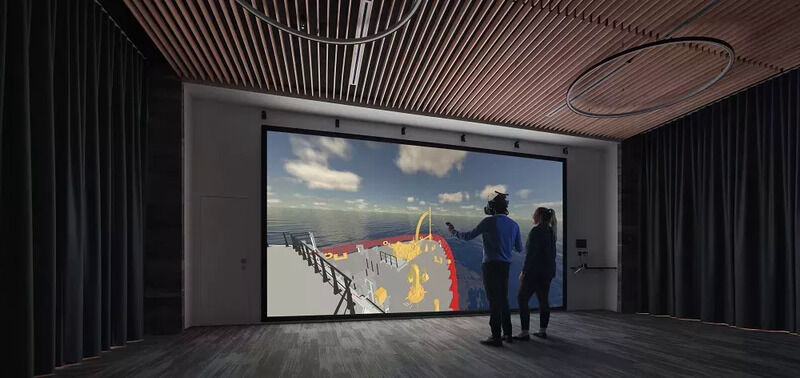
Seaspan Launches New Vessel Visualization System Called 'Holoship'
The shipbuilding industry has an opportunity to leverage digital twin technology and virtual reality tools to improve efficiency, reduce costs, and optimize the lifecycle of ships.
Workshop question
How could your company save costs on product development by implementing digital twin technology?
Trend themes
Companies are using digital twin technology to create exact virtual replicas of real-world products, providing opportunities for virtual testing and troubleshooting during product development.
Companies are leveraging AI and data science to generate real-time digital twins of physical spaces, allowing for a variety of applications from boosting safety to informing transportation policies and refining autonomous vehicles.
Companies are using AR and VR systems to create immersive lifelike 3D models of ships, enabling designers and engineers to assess ship quality and test different scenarios in its lifecycle.
Industry implications
Digital twin technology can revolutionize product development and testing, reducing costs and improving efficiency.
Digital twin technology can provide virtual inspections of telecommunications towers, reducing the need for physical inspections and streamlining processes.
AI-powered metaverse development projects can enhance digital interactions with NPCs, resulting in less predictable outcomes and greater entertainment value.
Trend signals
Trend score 3.3 out of 10, from popularity 53%, activity 35%, freshness 13%.