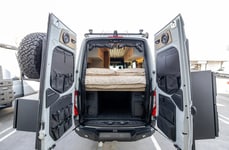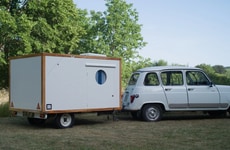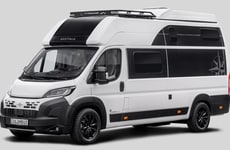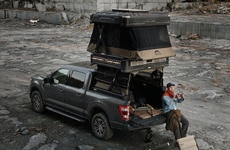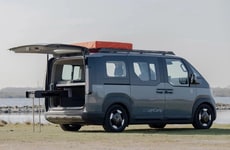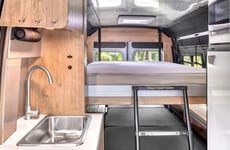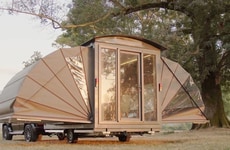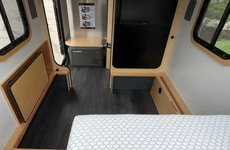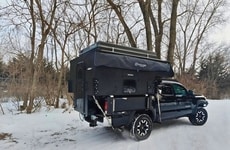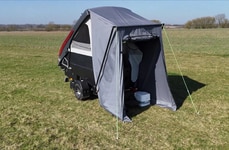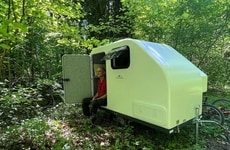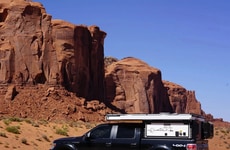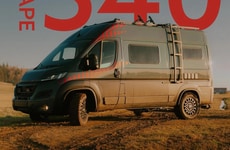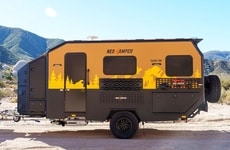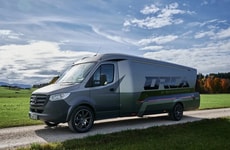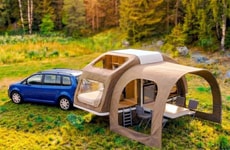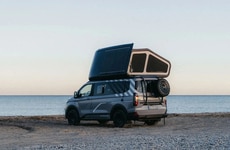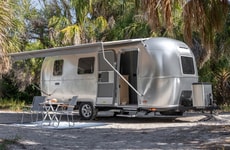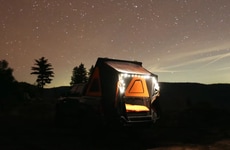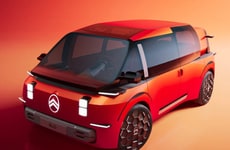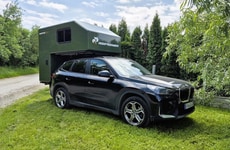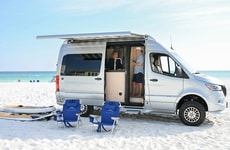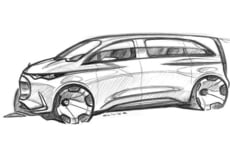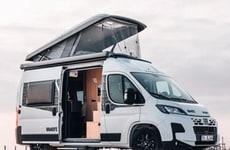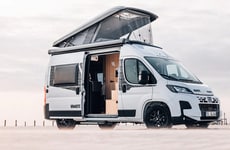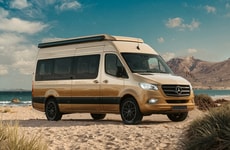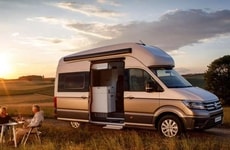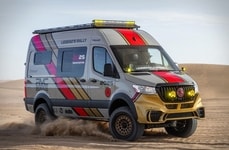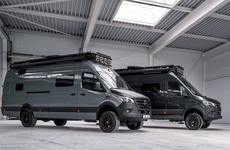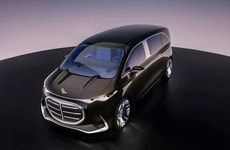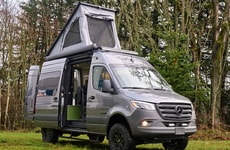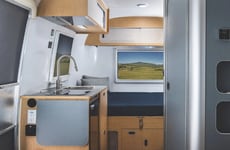
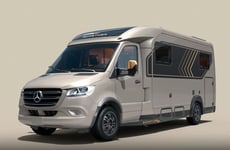
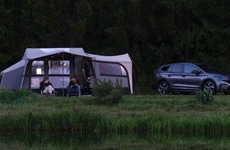

Recreational vehicles are being designed to function more like flexible homes
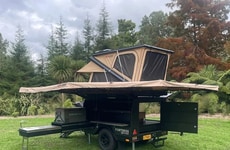
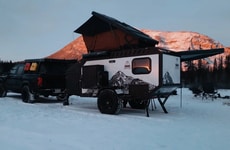
Trend - Brands are combining mobility with expanded function through pop-up second stories, rooftop terraces, and modular layouts that aim to create more luxury, livable space within tight footprints. Premium and electrified models are appearing, indicating that manufacturers see room to differentiate not just on size, but on comfort, power systems, and how seamlessly these units can elevate everyday routines.
Trigger - Smaller-format living has become more acceptable across travel and leisure culture, which makes space-saving design feel less like compromise and more like a deliberate lifestyle choice. Brands are differentiating new recreational vehicle and camper models with higher-end features and finishes to appeal to buyers looking for adaptable products that can serve different group sizes and trip lengths. For brands, the takeaway is that compact formats can gain appeal when they are designed around flexible use and luxury comfort, not just footprint reduction.
Trend Themes
-
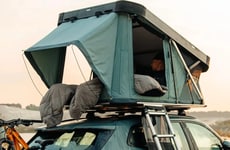
Expandable Compact Living — Pop-up roofs, slide-outs, rooftop terraces, and convertible interiors are redefining small vehicle footprints as adaptive living environments with premium residential utility.
-
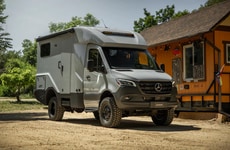
Luxury Self-sufficient Travel — High-end finishes, integrated kitchens, washrooms, power systems, and climate features position campers as independent mobile homes rather than basic recreational shelters.
-
Modular Vehicle Conversion — Removable camper kits and flexible layouts create new value around vehicles that shift between daily transportation, group travel, and extended off-grid accommodation.
Industry Implications
-
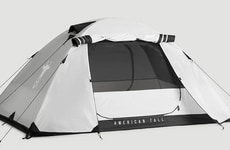
Recreational Vehicles — Compact motorhomes, camper vans, trailers, and pickup tents show potential for differentiated products centered on transformable space, electrification, and residential comfort.
-
Outdoor Hospitality — Glamping, overlanding, and weekend travel culture are expanding the market for portable accommodations that merge nature access with hotel-like convenience.
-
Mobility Design — Automotive platforms, lightweight materials, and onboard energy systems are opening opportunities for multipurpose vehicles that support work, leisure, and temporary living.