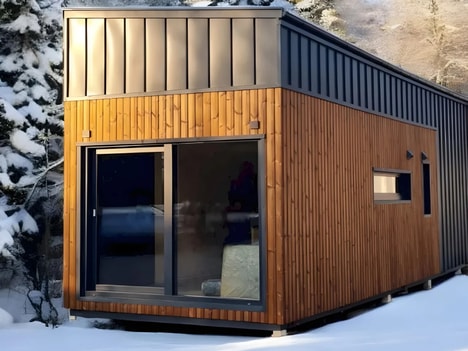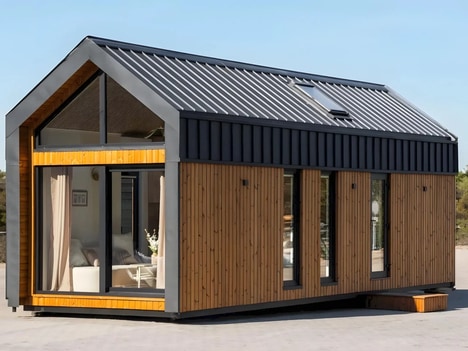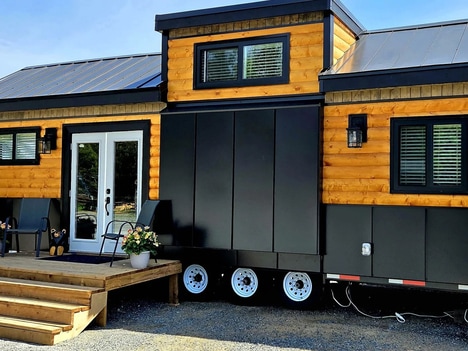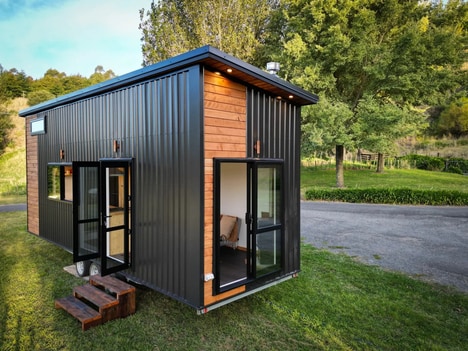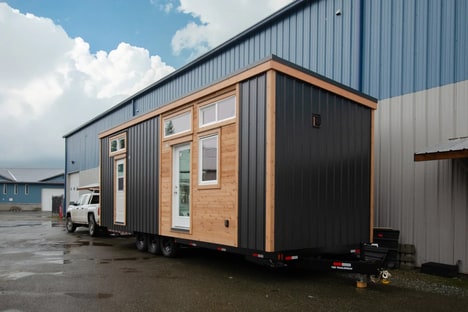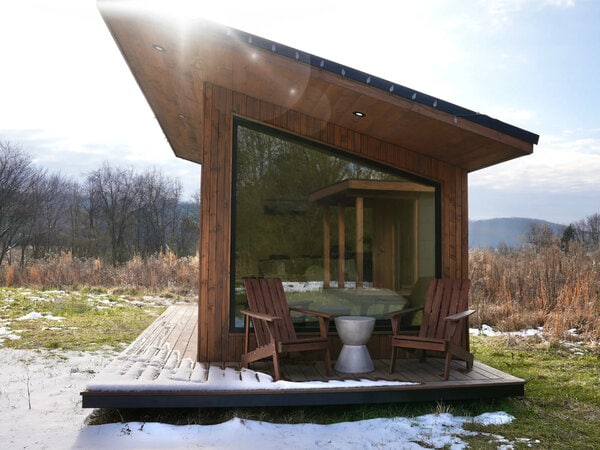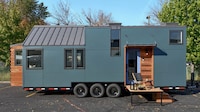
The Tiny Timber Homes Redwood tiny house has been designed and engineered as a full-time home that takes aim at the dynamic nature of the category.
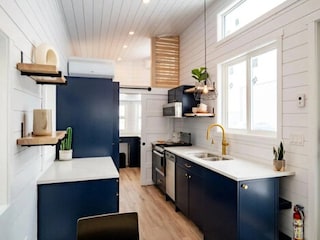
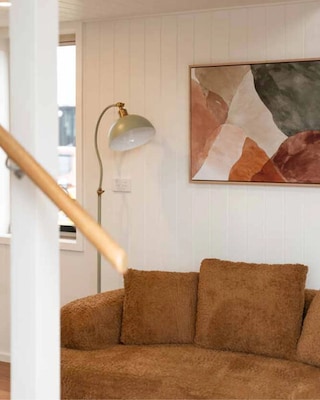
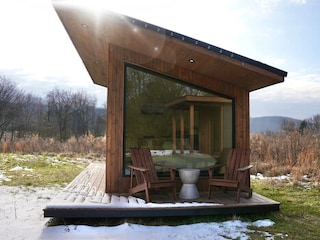
The house measures in at 34.1-feet in length and 9.6-feet in width, and features a non-towable design that's meant to be positioned as a permanent structure. The interior living space takes influence from architectural design to make it a solid home option for those who are weary of the tiny home category. The home features a bedroom loft easily accessed via storage-embedded stairs, a full kitchen and bathroom, while the living room is accented by a hybrid dining and desk bar.
The Tiny Timber Homes Redwood tiny house is priced at $130,000 NZD and identifies how we could continue to see the market shift to favor micro-sized homes in place of traditional builds as space and cost constraints continue to increase.
Part of the cluster
Mobile Domesticity
Recreational vehicles are being designed to function more like flexible homes
Explore the cluster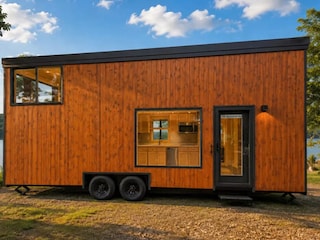
What's Driving This Trend
- Permanent Tiny Homes
- Non-towable micro residences are redefining the tiny house category by positioning compact dwellings as durable, full-time alternatives to conventional housing.
- Space-optimized Interiors
- Integrated stairs, lofts, and hybrid dining-work zones signal growing demand for architectural layouts that make small footprints feel functional and livable.
- Affordable Micro-living
- Rising land, construction, and ownership costs are increasing interest in smaller permanent homes that offer lower-cost pathways into independent living.
Who This Affects Most
- Residential Construction
- Builders are finding new market potential in compact permanent housing models that reduce material use while addressing affordability and density pressures.
- Real Estate
- Micro-sized permanent homes introduce alternative property formats that can expand housing inventory in markets constrained by space, cost, and zoning complexity.
- Interior Design
- Compact full-time residences are creating demand for multifunctional fixtures, built-in storage, and flexible layouts tailored to smaller living environments.