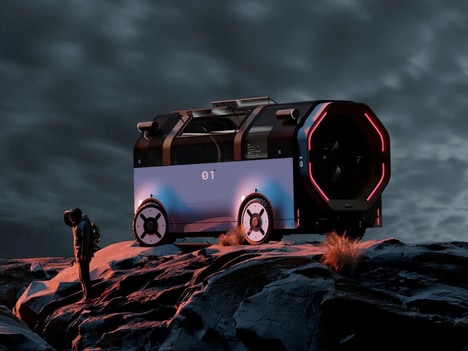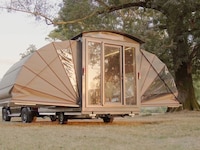
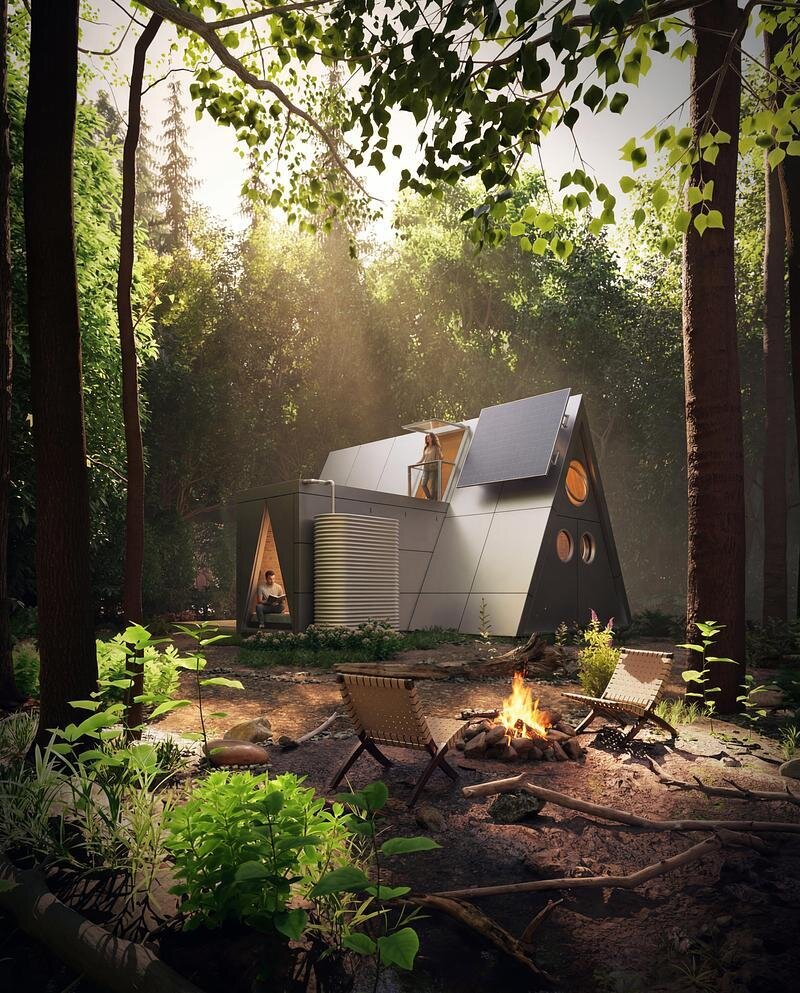
Atelier Lune — design studio founded by architect Na Shen, who has a background in both architecture and landscape architecture from UCLA and Seoul National University — has developed Camping House. The project recently earned recognition as an Architizer A+Awards Finalist and a Red Dot Design Award: Design Concept Winner.
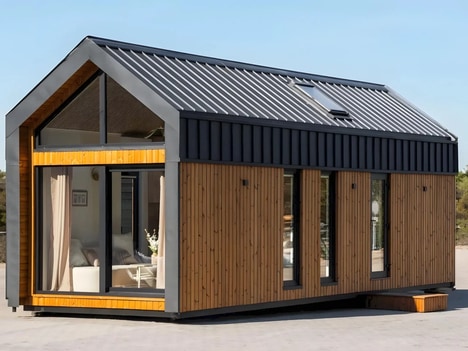
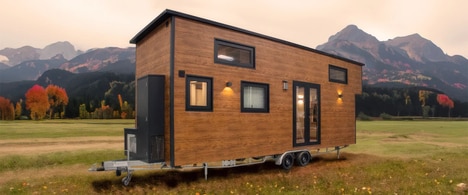
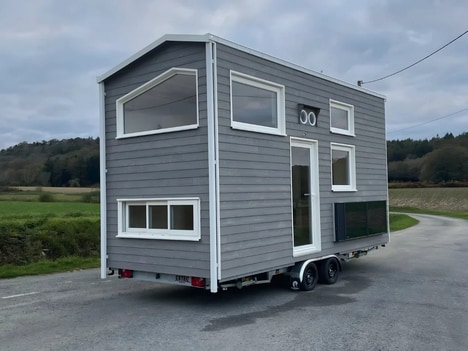
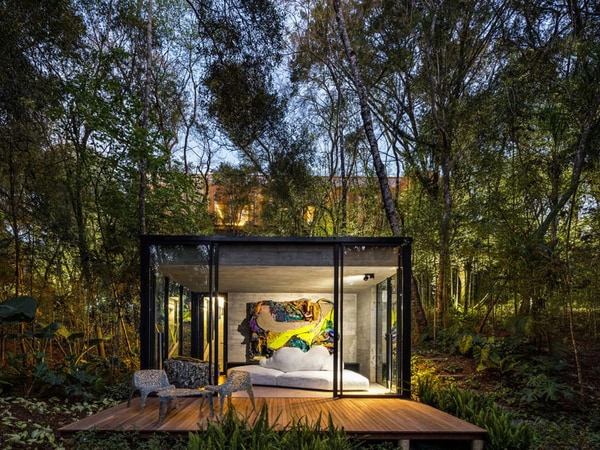
In essence, the Camping House is a road-towable micro-home that fuses the portability and rapid deployment of a tent with the precision and upgradability of a modular building system. The concept consists of three attachable 'Ports' — a Residential Port with transformable living and sleeping areas, a Utility Port containing a kitchen and restroom, and an Extended Port that clips on for workspace, gear storage, or guest accommodation — that click together and unfold with a choreographed motion.
Image Credit: Na Shen
What Makes This Trend Stand Out
- Towable Micro-homes
- Compact road-ready dwellings are redefining mobile living through architectural-quality layouts that bridge recreational travel, temporary housing, and flexible work lifestyles.
- Modular Camping Systems
- Attachable residential, utility, and extension units create room for customizable outdoor accommodations that can scale beyond traditional tents and RVs.
- Deployable Living Spaces
- Rapid-unfold structures introduce new possibilities for premium nomadic housing, emergency shelter, and experiential travel with minimal setup complexity.
Sectors Adopting This
- Outdoor Recreation
- Portable micro-dwellings expand the camping market with design-led comfort that appeals to travelers seeking elevated off-grid experiences.
- Modular Construction
- Clip-together building components point to new formats for adaptable housing products that combine prefabrication efficiency with mobility.
- Hospitality
- Destination operators gain access to flexible accommodation models that support seasonal lodging, remote retreats, and low-impact guest expansion.