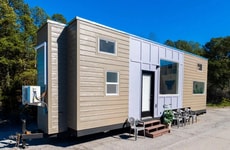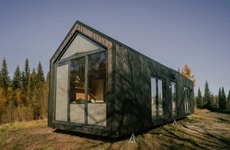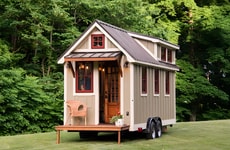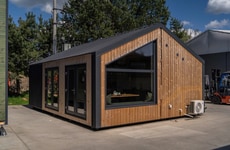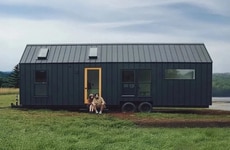
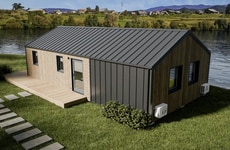
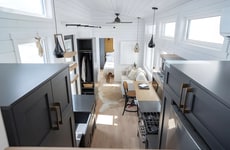
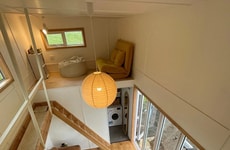
Residential design is emphasizing performance-driven compact living layouts
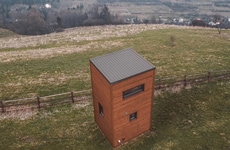
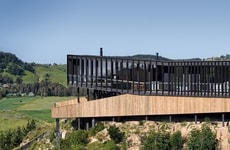
Trend - Designers are using built-ins, modular elements, vertical layouts, and multifunctional zones to make limited square footage feel more intentional. These spaces are increasingly being positioned beyond conventional housing formats through mobile, rooftop, or remotely sited models that aim to expand where and how people can live and/or work.
Trigger - Consumers, especially those part of the Millennial and Gen Z demographics, are revisiting the concept of home with a focus on practicality, comfort, and affordability. While some are rethinking how they live because of the urban housing crisis, others are prioritizing simpler, lighter living to balance the "always-on" culture of digital spaces. Many are approaching modular or alternative residential structures as lower-risk investments that can be more responsive to their current needs, without feeling rigid or permanent.
Trend Themes
-
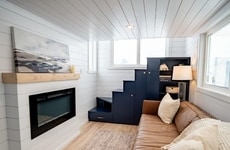
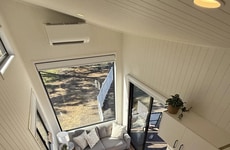
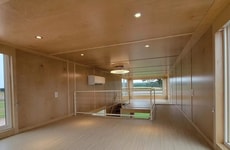
Performance-driven Compact Layouts — Built-ins, lofts, storage stairs, fold-down surfaces, and multifunctional rooms reveal potential for space-planning systems that make small homes feel complete without expanding their footprint.
-
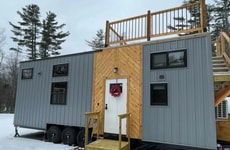
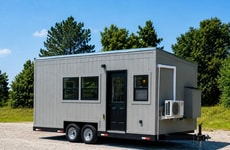
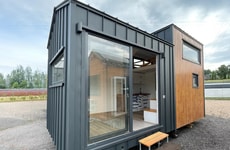
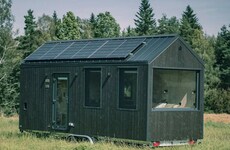
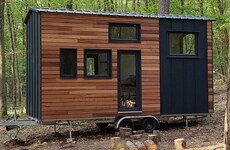
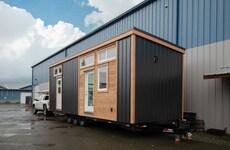
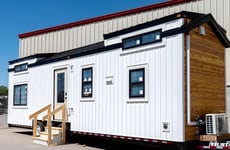
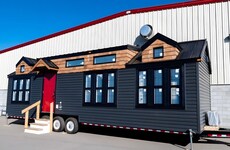
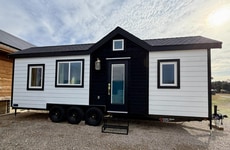
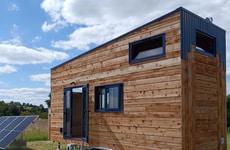
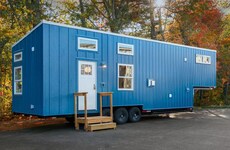
Flexible Modular Mobility — Trailer-based, off-site-built, and truck-delivered dwellings point to new housing models where residential products can be relocated, assembled, customized, or deployed across unconventional sites.
-
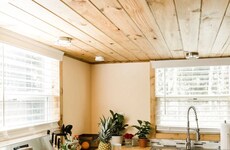
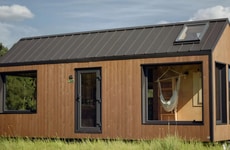
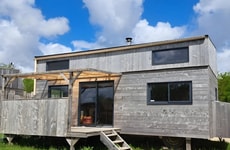
Remote-ready Micro-living — Tiny homes with office zones, full kitchens, climate systems, and outdoor extensions reflect demand for compact residences that support work, leisure, and long-term comfort beyond dense urban apartments.
Industry Implications
-
Residential Real Estate — Affordability pressures and changing ownership expectations are creating room for alternative home formats that function as primary residences, accessory dwelling units, rentals, or phased property investments.
-
Modular Construction — Factory-built structures, standardized trailer platforms, and customizable finishes signal opportunities for faster, lower-risk housing production that reduces dependence on conventional build timelines.
-
Furniture and Interior Design — Compact living is elevating demand for integrated cabinetry, convertible furniture, vertical storage, and space-saving amenities that transform interiors into highly efficient living systems.