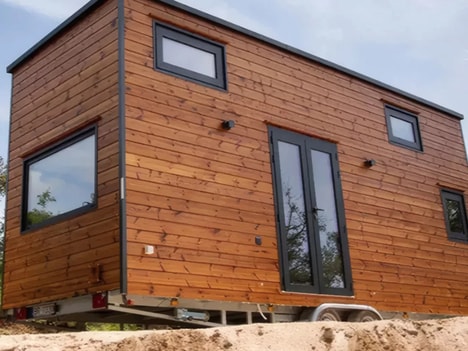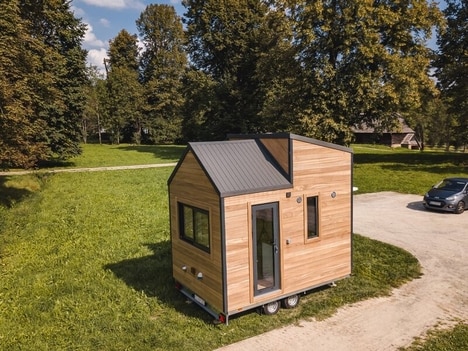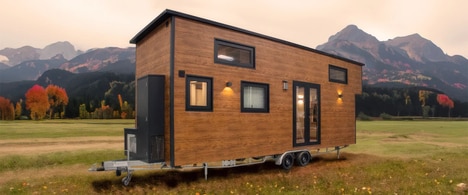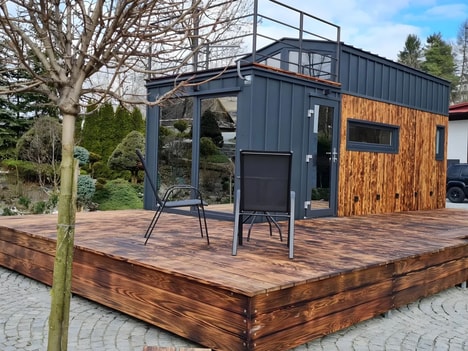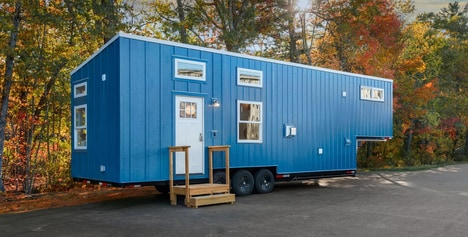
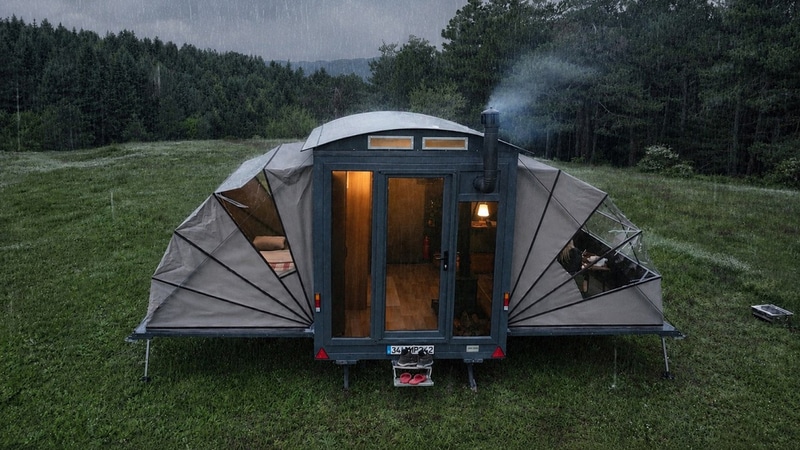
The Ortsan Mini House has a hybrid design that's positioned as part tiny home, part camper and all ready to provide comfortable amenities no matter the location. The unit features anaccordion-style construction that not only maximizes space efficiency but also distinguishes it from traditional RVs and tiny homes. The home has a bathroom and a kitchen that run almost the length of the interior to maximize versatility.
The Ortsan Mini House hybrid tiny home camper also boasts a wood-burning stove, air conditioning and advanced multimedia infrastructure to maximize comfort for inhabitants. The unit also features a 470W solar power system, a sizable lithium battery and ample water storage to allow for extended periods without needing to connect to external resources for true off-grid living.
Image Credit: Ortsan Outdoor
Key Themes Behind This Trend
- Expandable Micro-dwellings
- Accordion-style construction reflects a growing opportunity for compact residences that shift from towable formats into larger, comfort-focused living spaces.
- Off-grid Comfort
- Self-contained power, water storage and climate systems point to demand for mobile homes that support longer stays without sacrificing residential amenities.
- Hybrid Travel Living
- Blending tiny-home design with camper mobility creates space for new lifestyle products positioned between recreational travel, remote work and minimalist housing.
Where This Applies
- Recreational Vehicles
- Traditional RV design is being challenged by modular, space-maximizing layouts that feel more like adaptable homes than conventional trailers.
- Tiny-home Manufacturing
- Compact housing producers have room to expand into mobile, deployable models that combine residential finishes with travel-ready engineering.
- Renewable Energy Systems
- Integrated solar arrays and lithium storage highlight a rising market for compact off-grid power packages tailored to mobile and micro-living environments.