March 2026’s art and design trends revolved around adaptability and large‑scale architectural ambition, with designers exploring how spaces can shift to meet changing needs—whether at the scale of a community room or an entire city block.
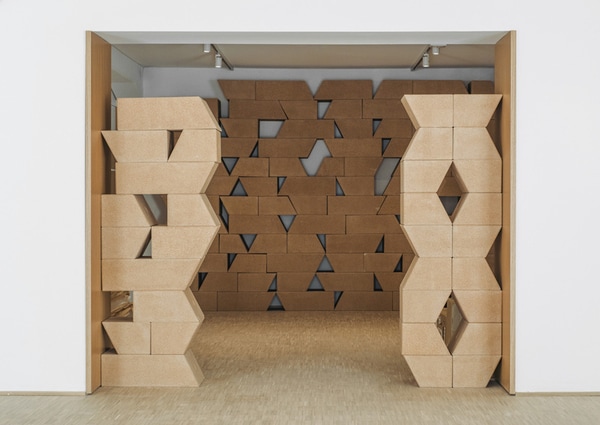
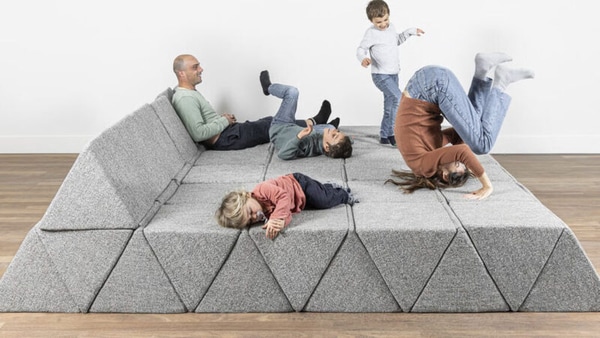
Smarin’s Reversible Space Program captured the month’s interest with its modular, tool‑free system built from cork and spruce. The oversized blocks can be rearranged endlessly, encouraging people to physically shape their shared environments rather than passively occupy them. Its emphasis on untreated materials, frugality, and reusability reflects a broader push toward sustainable, participatory design in public and communal spaces.
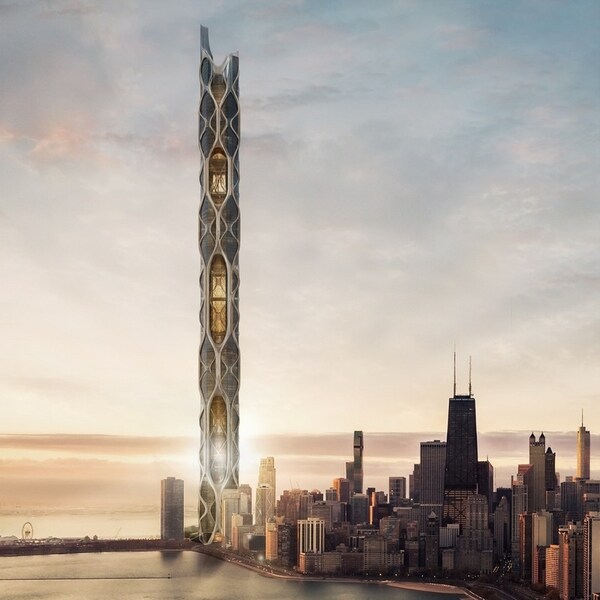
At the opposite end of the scale, Foster + Partners’ unveiling of 2 World Trade Center signaled a major step forward in the site’s redevelopment. The 1,226‑foot tower incorporates corner gardens and stepped terraces to soften its rectangular form, while offering nearly two million square feet of office space for up to 10,000 workers. With American Express slated as the anchor tenant, the project blends commercial density with biophilic gestures, reinforcing the district’s role as a global business hub.
Together, these trends show March leaning into design that is both flexible and future‑facing—spaces that can be reshaped by their users, and skyscrapers that integrate greenery and community‑minded planning. The month underscored how 2026’s most compelling design work balances practicality, sustainability, and a sense of human‑scaled connection, no matter the size of the project.
- Gen Z (primary audience)
- Gen Alpha (primary audience)
- Millennial (primary audience)
- Gen X (primary audience)