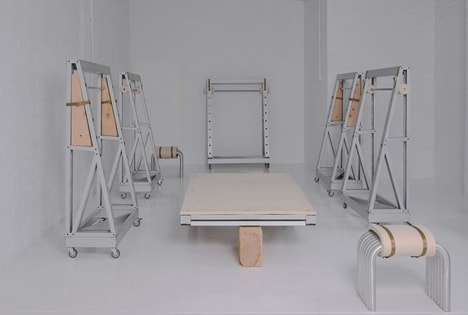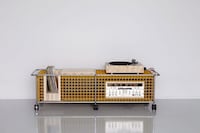
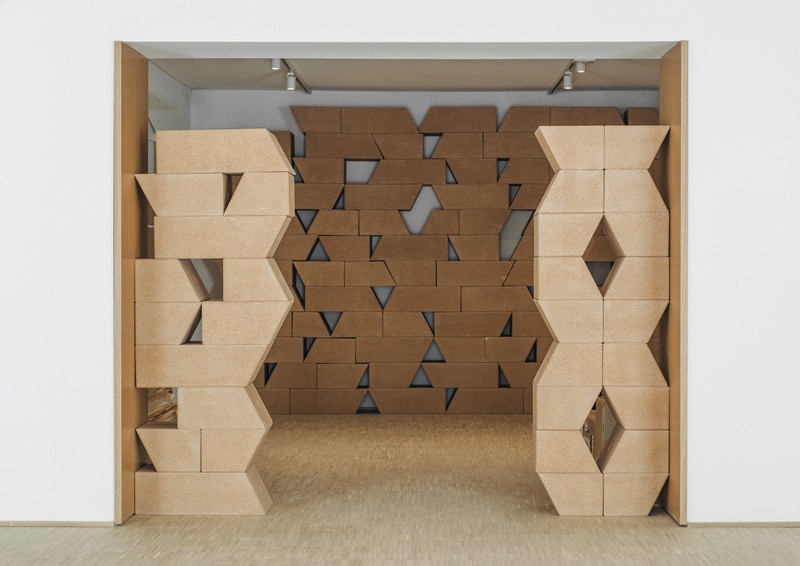
Design studio Smarin presents the Reversible Space Program, an innovative furniture system conceived to allow collective spaces to be continuously reconfigured in response to a community's evolving needs.
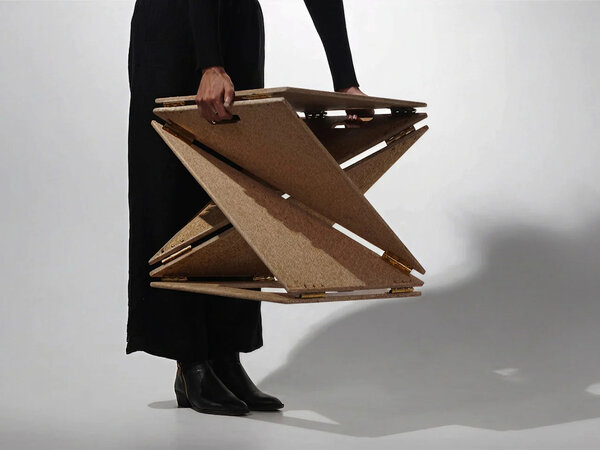
The Reversible Space Program is composed of large modular blocks crafted from cork and spruce, two untreated and non-toxic natural materials that are assembled without the need for nails or screws. These design sensibilities make the layout endlessly adaptable and reusable.
The fundamental appeal of Smarin's Reversible Space Program lies in its core philosophy of frugality and sustainability. The pure materials ensure durability and comfort, while the simple joinery empowers users to engage physically with their environment, ultimately transforming a static space into a participatory and inventive landscape. The system wiill appeal to those managing public or communal areas.
Image Credit: Smarin
Key Themes Behind This Trend
- Modular Natural-material Furnishings
- Large cork-and-spruce modules indicate demand for furniture systems that combine sustainable materials with tool-free reconfiguration for evolving communal needs.
- Participatory Space Design
- A shift toward user-assembled layouts points to environments that prioritize physical engagement and collective customization over fixed interiors.
- Frugal-sustainable Aesthetics
- Emphasis on untreated, durable materials suggests market interest in low-impact products that signal longevity and simplicity in public spaces.
Where This Applies
- Co-working and Flexible Offices
- Open-plan workplaces could leverage reversible furniture systems to continuously adapt meeting, focus and social zones without major renovations.
- Public Libraries and Community Centers
- Community-managed venues may benefit from configurable modules that support multipurpose programming and equitable access to space.
- Hospitality and Event Venues
- Hotels and event spaces can utilize reconfigurable natural-material installations to create distinctive, sustainable settings for varied guest experiences.