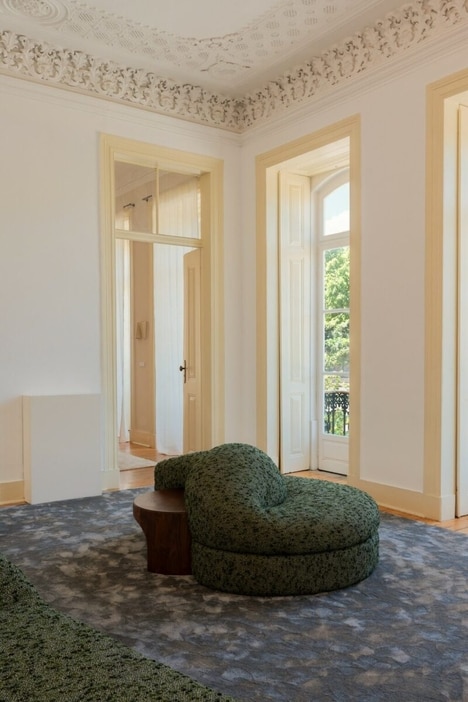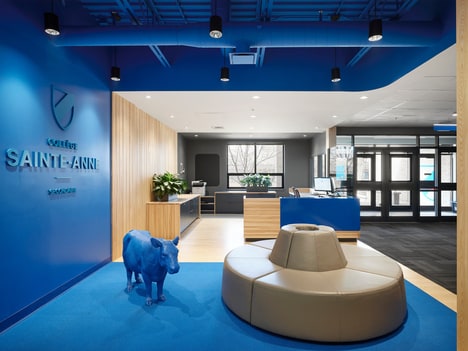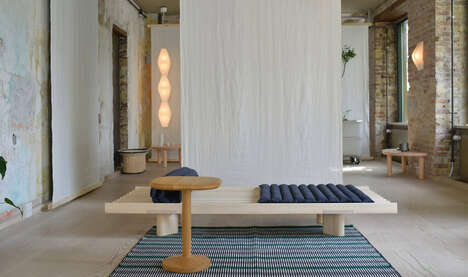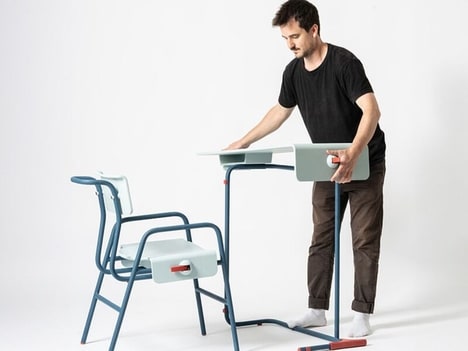
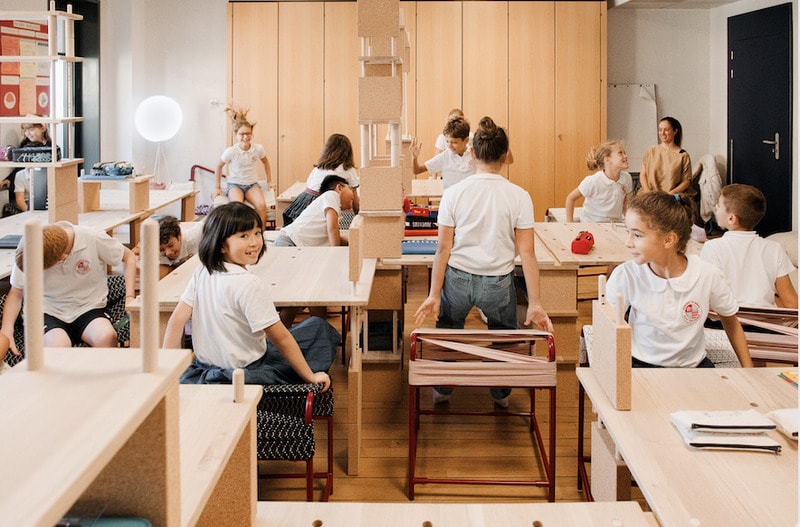
smarin was a driving force behind Écoletopie, an experimental classroom layout and furniture system designed to introduce new pedagogical practices by encouraging children to explore their physical potential. The concept pushed young ones to become aware of posture and engage in sensory, aesthetic interaction with their environment as a counterpoint to digital saturation.
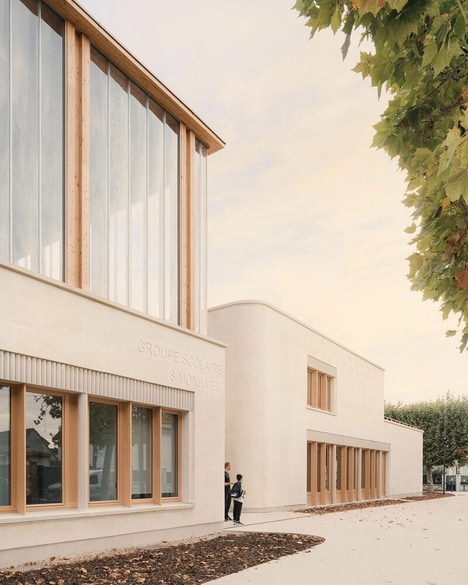
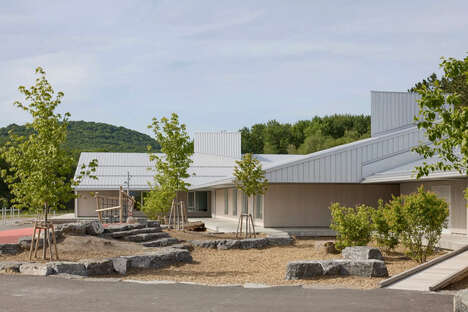
The Écoletopie experimental classroom layout and furniture system has been featured in multiple museums and is now implemented in primary schools in Monaco. The concept consists of modular elements and tool-objects that create a shared physical territory for trying things out.
By prioritizing embodied, collaborative exploration and creating a space that values process over product, Écoletopie offers a tangible alternative to traditional classroom design — one that nurtures biomechanical potential and social awareness.
Image Credit: smarin
Key Themes Behind This Trend
- Embodied Learning Environments
- A renewed emphasis on bodily movement and posture in classrooms that frames physical design as central to cognitive and social development.
- Modular Classroom Systems
- Modular, tool-object based layouts that enable reconfigurable shared territories for exploratory and collaborative learning.
- Analog-digital Balance
- Counterpoint approaches to screen-centric schooling that foreground sensory, aesthetic interactions and process-oriented experiences.
Where This Applies
- Educational-furniture Manufacturing
- Growing demand for adaptable, biomechanically informed furniture that integrates playfulness and posture awareness into mass-market school products.
- Curriculum Design & Pedagogy
- Opportunities for curricula that embed embodied, collaborative exploration as core learning objectives rather than ancillary activities.
- Museum & Exhibition Design
- Exhibition practices that translate experimental classroom systems into public, interactive displays bridging pedagogy and design research.