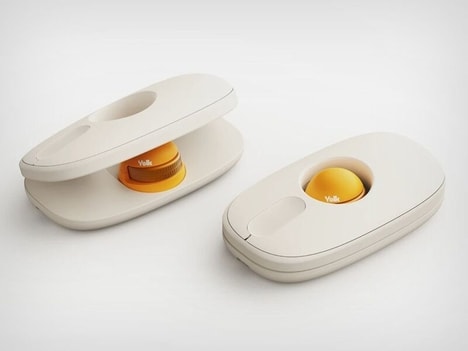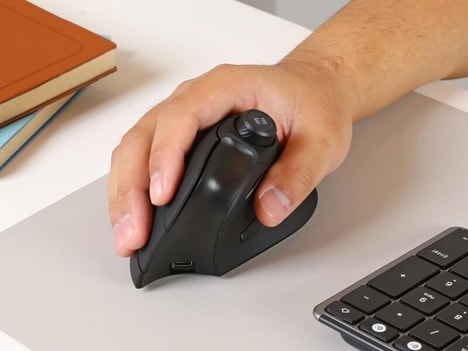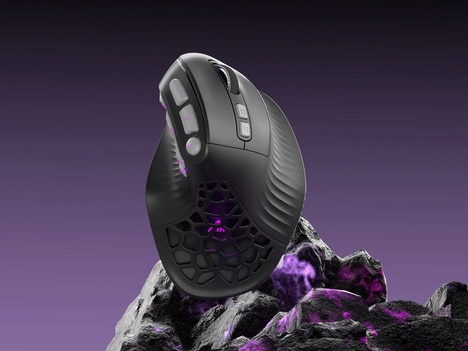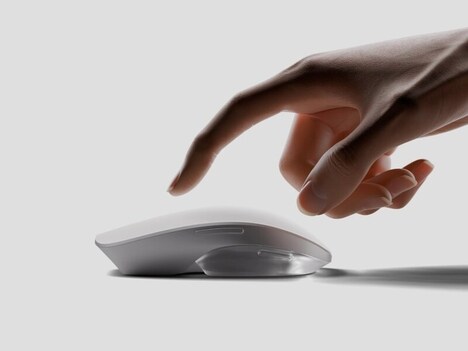
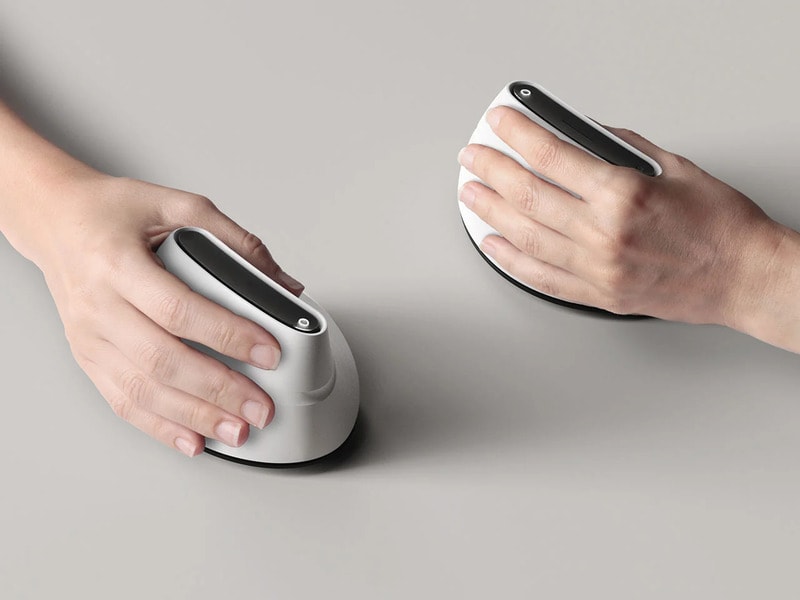
The conceptual OLOID Ergonomic Mouse has been designed by Josep Pedro and Jorge Paez as a new take on the humble PC peripheral that prioritizes multitasking without losing sight of ergonomic needs.
The mouse boasts an ambidextrous design that will automatically transition between left and right-handed orientations according to how it's being held by the user. The mouse also has a flared lip on one section that acts as a rest for the thumb to further increase overall comfort during long haul use.
The conceptual OLOID Ergonomic Mouse is finished with a wave texture to add in a ripple effect that will enable the user to go off of feel rather than physical buttons. The mouse is also paired with multitasking capabilities to work with multiple devices at the same time.
Key Themes Behind This Trend
- Ambidextrous Adaptive Peripherals
- Devices that automatically reconfigure for left- or right-handed use are enabling universally accessible hardware ecosystems that reduce SKU complexity and expand market reach.
- Haptic Texture Interfaces
- Tactile surface patterns that convey function through feel rather than relying solely on buttons are creating novel input modalities for low-visual or eyes-free interaction scenarios.
- Multidevice Multitasking Controls
- Peripherals designed to operate seamlessly across multiple hosts at once are reshaping workflows by collapsing device boundaries and facilitating continuous context switching.
Where This Applies
- Consumer Electronics
- A focus on sculptural, ambidextrous hardware design presents opportunities to differentiate products through inclusive form factors and premium ergonomic value propositions.
- Office Ergonomics
- Workplace equipment that prioritizes hand-specific comfort and tactile guidance has the potential to reduce repetitive strain injuries and influence procurement standards for corporate environments.
- Software Productivity Tools
- Applications that exploit multitasking-capable peripherals for cross-device control and gesture-aware shortcuts can enable new interaction paradigms and tighter hardware-software integration.