Category
Art & Design
Oven Aesthetics
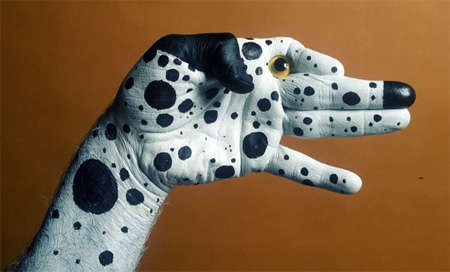
The use of hands as a canvas to convey an advertising message or artistic expression.

Trend
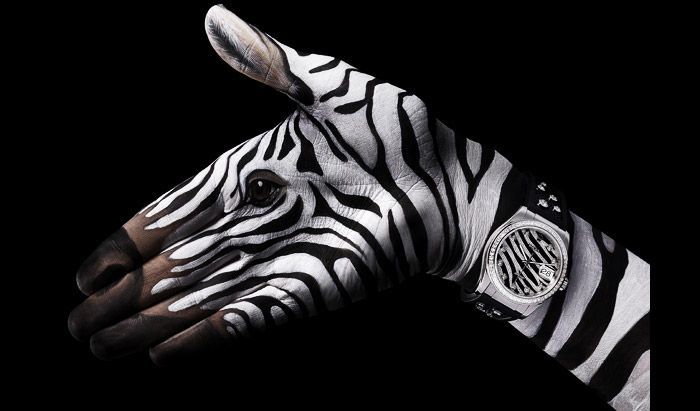
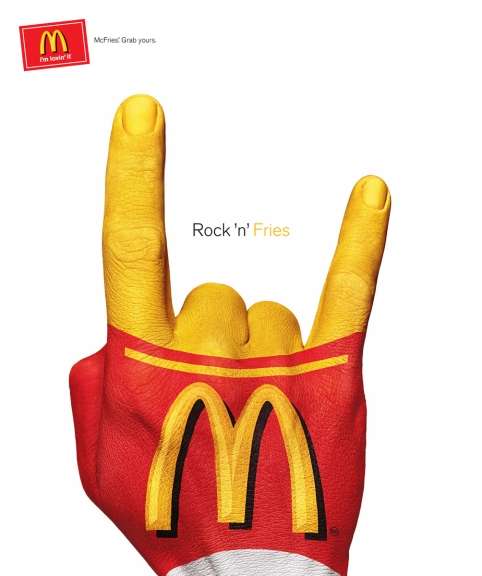
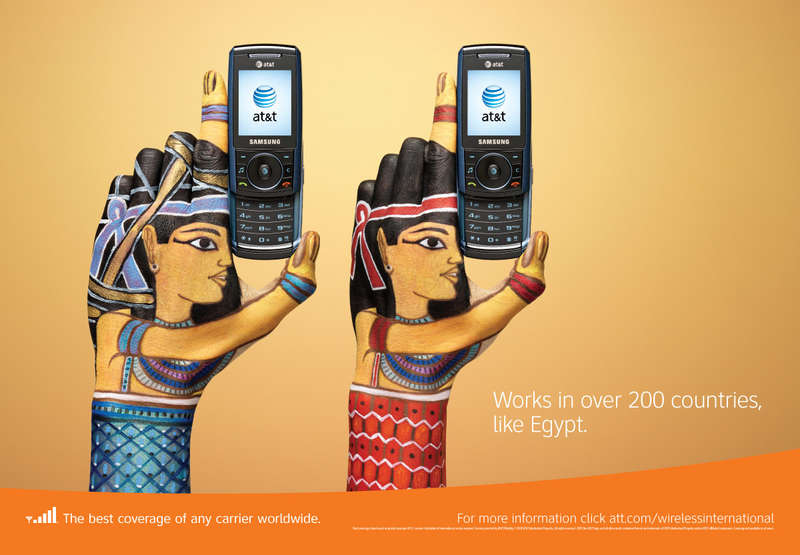
Handvertising: These images all rely on painted human hands to convey meaning, all designed not to resemble a palm and fingers. To capture attention, some ad agencies are going back to basics, opting for the simplicity of something like hands instead of high-tech graphic art designs.
Trend themes
Using hands in advertising campaigns gives agencies the chance to provide their customers with playful and creative content while leveraging a unique canvas for their message.
By adding custom props to their painted hands, artists can develop their ideas into something more complex, making their artwork even more intriguing.
Crowdsourcing hand-related images from campaigns and communities can be an effective way to drive greater interest in creative campaigns and innovative projects.
Industry implications
Using new techniques like hand paintings combined with a smart communication strategy, agencies can create engaging ads that attract the public's attention.
Painting or decorating hands is a growing branch of art with broad showcase opportunities, including events, galleries, and public spaces.
Raising awareness for important causes can be done creatively using body parts or the art of hand-painting.
Trend signals
Trend score 4.5 out of 10, from popularity 61%, activity 67%, freshness 8%.
Evidence
Hanimals
The trend of using quirky hand paintings and props, like Mario Mariotti's Hanimals, presents disruptive innovation opportunities in the art and entertainment industry.
Guido Daniele's Painted Hand Watch Ads (UPDATE)
The watch industry could explore the utilization of painted body art in their advertising and marketing campaigns to attract customers in a new way.
Rock 'n' Fries
Advertising agencies could benefit from exploring new, creative advertising methods for their clients.
AT&T Campaign
Disruptive innovation opportunities for advertising agencies to redefine their creative approach by incorporating cultural and artistic elements.
Project 551 to End Whaling
Non-governmental organizations aimed at advocating animal welfare and environmental protection.
HTC: Set Your Fingers Free
The advertising and marketing industry can leverage the trend of using miniature scenes and unconventional protagonists to create compelling campaigns that resonate with their tar…
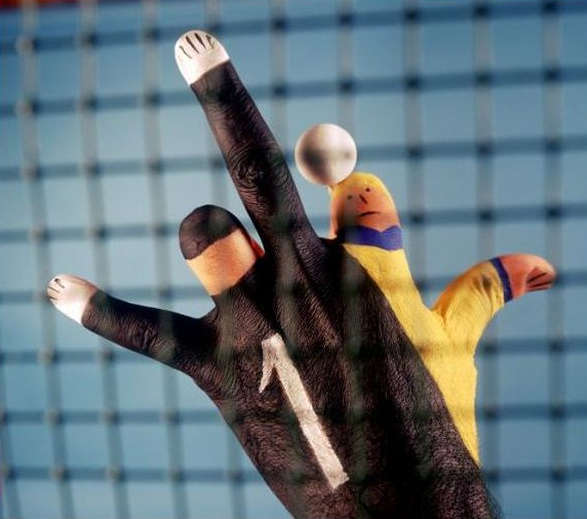
Funny Fingers
The art and design industry can benefit from incorporating hand artistry as a new form of creative expression and product innovation.