
Category
Lifestyle
Curated Bottlings
Known drink formats make adventurous flavors easier to try.
Trend
Guided Novelty: Soft drink and energy drink brands are moving from single-note line extensions toward layered flavor combinations that mix cues from desserts, citrus, tropical fruit, and other adjacent categories. This approach makes established beverage formats feel more expressive without abandoning the base consumers already recognize.
Trigger
Consumers want newness in everyday purchases, but many prefer to find it inside formats they already trust rather than in entirely new categories. Refreshment experimentation is the most appealing when surprise is presented through established segments that shoppers immediately recognize. Crowded beverage aisles make attention harder to win, so taste increasingly has to do more than refresh. Consumers seem most open to trying something unfamiliar when brands guide them towards new experiences through references they instantly understand.
Workshop question
Trajectory
Latest reading 7.9 for the week of Sep 21, 2026. Cooling over the final 3 scored weeks (−0.2), −1.3 from its peak of 9.2 in the week of Aug 31, 2026. Momentum 5.8/10, persistence 7.5/10, backed by 4 research findings.
Evidence
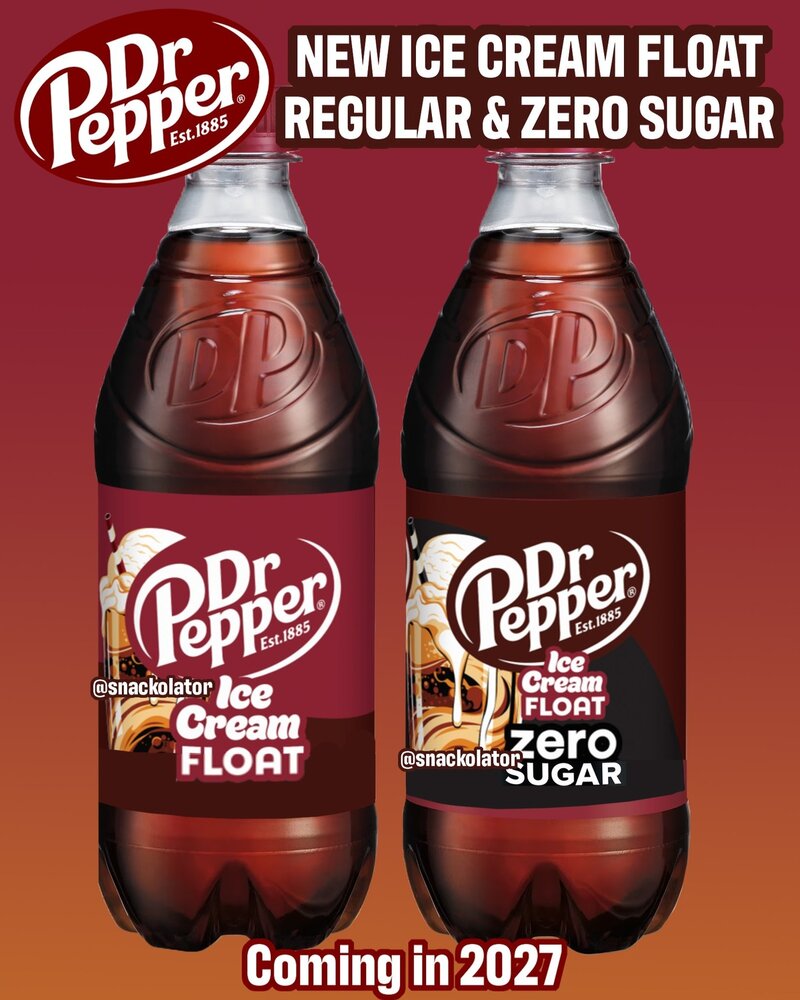
Dr Pepper Readies For Its Ice Cream Float Soda in Two Versions
Flavor innovation rooted in dessert and nostalgia provides legacy beverage brands with fresh differentiation in a crowded carbonated drinks market.
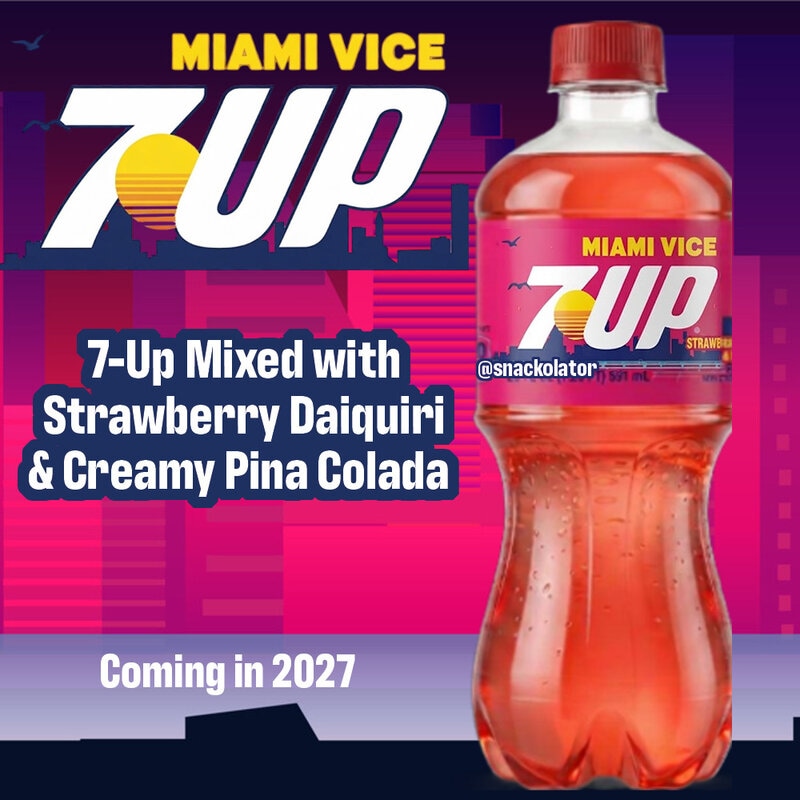
7UP Introduces Its Miami Vice Flavor
Carbonated beverage makers are using playful flavor experimentation to refresh mature categories and differentiate beyond traditional citrus, cola, and diet offerings.
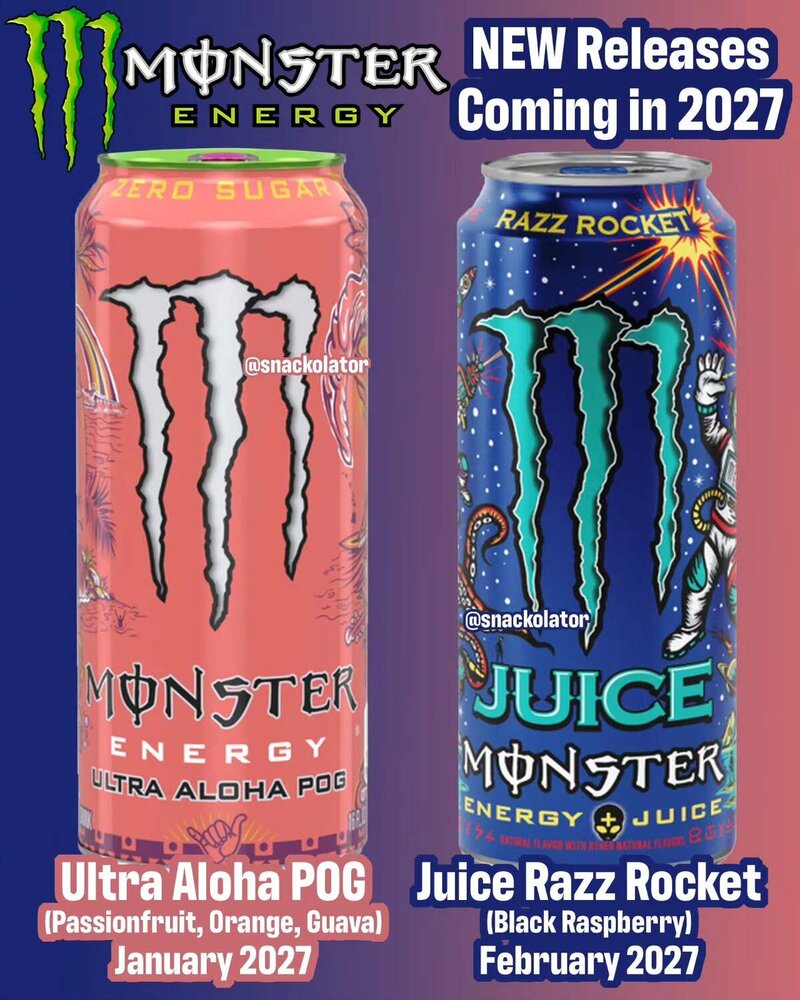
Monster Debuts Ultra Aloha POG and Juice Razz Rocket To Its Lineup
More nuanced flavor segmentation gives brands room to differentiate beyond caffeine strength, sweetness, or performance messaging.
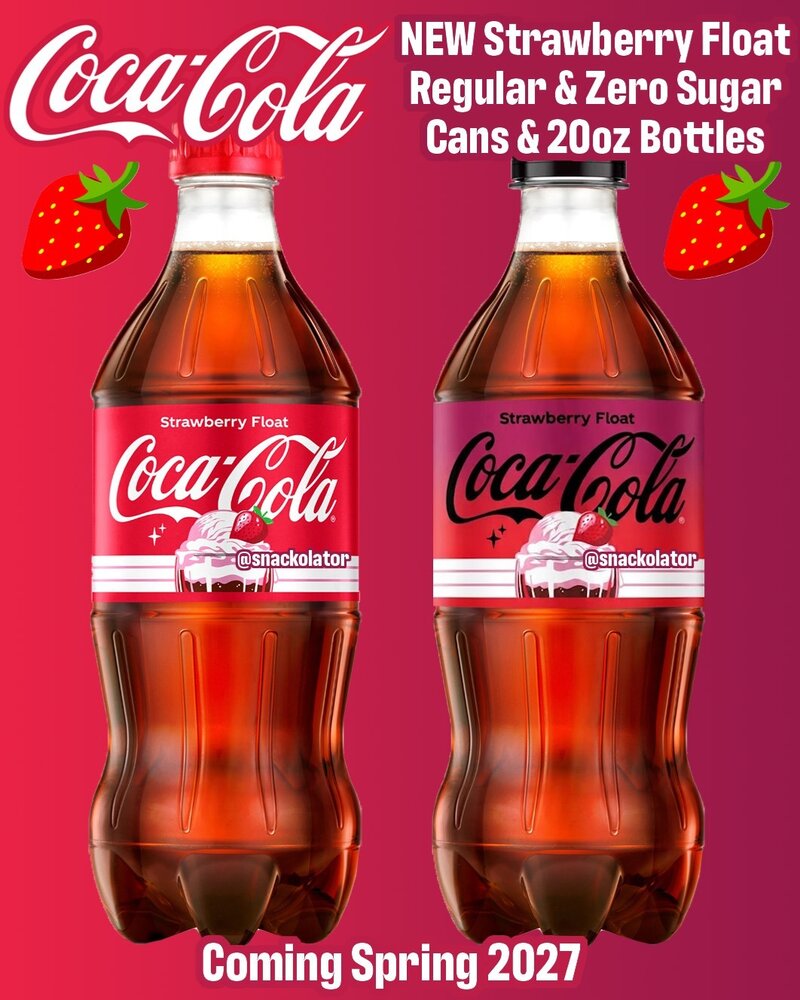
Coca-Cola's Strawberry Float Includes Regular and Zero Sugar
Carbonated beverage companies can use dessert-style profiles to refresh mature cola portfolios and sustain excitement through limited-time or seasonal flavor platforms.
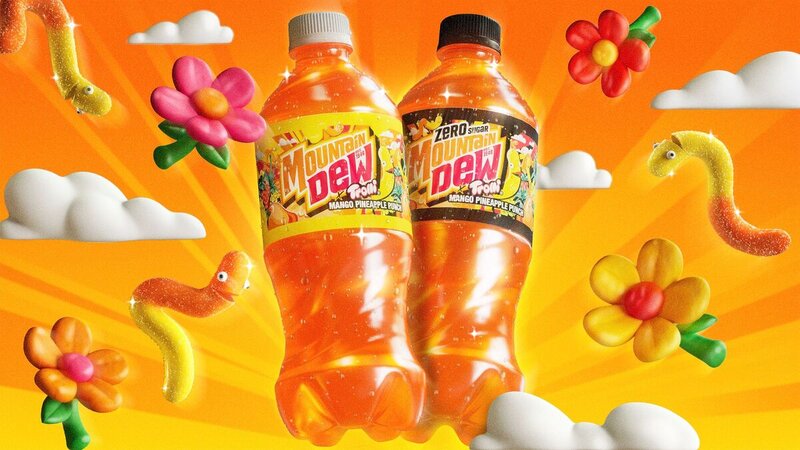
Mountain Dew x Trolli Mango Pineapple Punch Reimagines Crawlers
Tropical, spicy, and zero-sugar soda variants reflect how soft drink portfolios are being refreshed through bolder flavor experimentation.
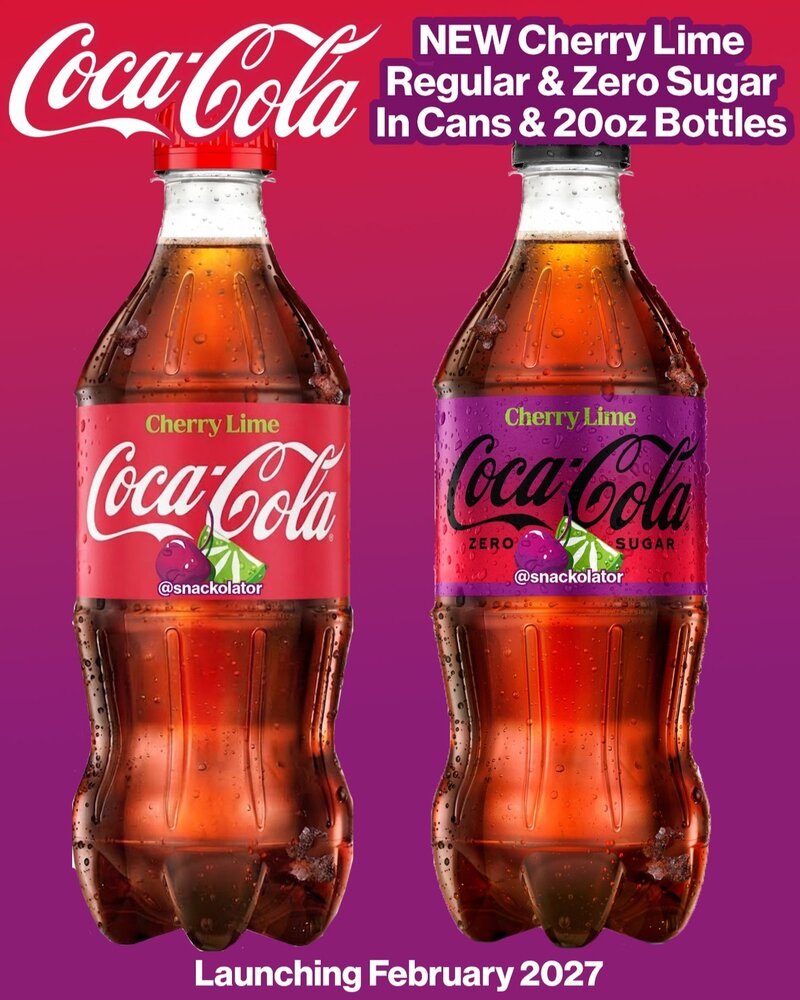
Coke Adds A New Fruit-Infused Twist To Its Classic Cola
Legacy soft drink makers can refresh mature portfolios through recognizable flavor twists that preserve core brand identity.
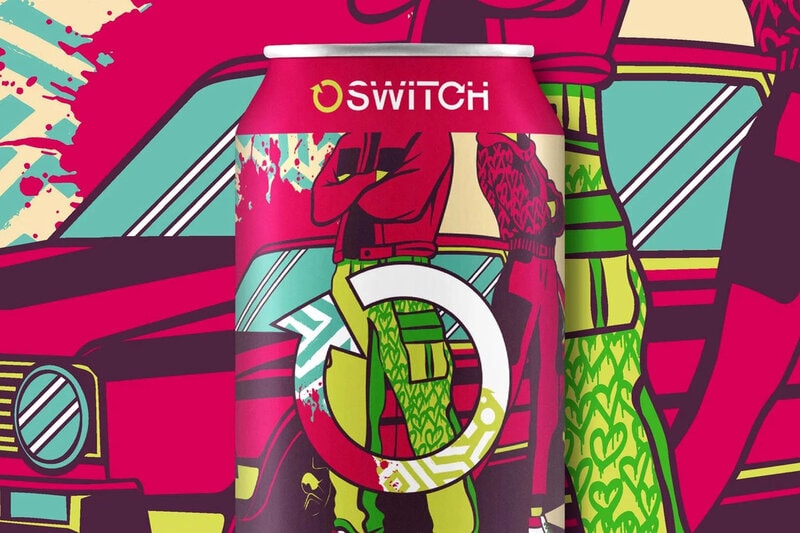
Switch Energy Introduced Its Watermelon Strawberry Lineup
Seasonal flavor mashups and bold caffeine formulas signal opportunities for portfolio expansion beyond traditional performance-led positioning.
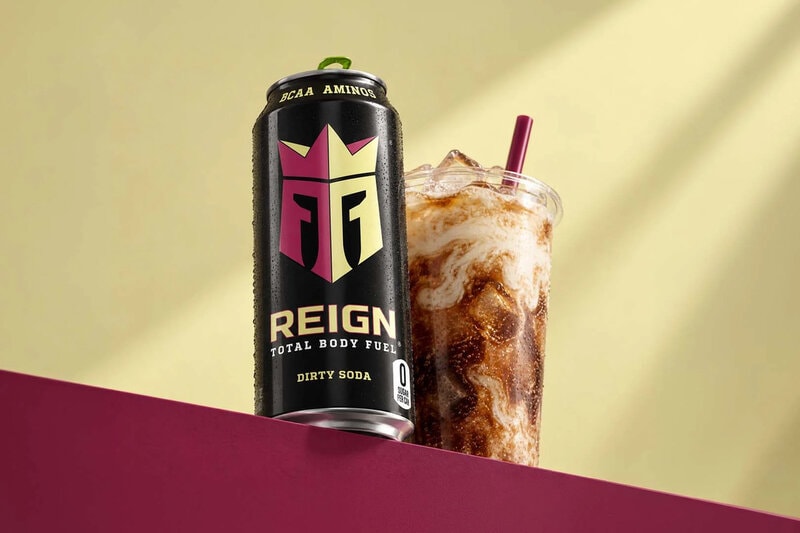
Reign Brings Dirty Soda Flavours To Energy Drinks
Performance beverage makers can differentiate crowded cooler sets by pairing high-caffeine formulas with culturally relevant flavor trends and creamy textures.
20 Trend Hunter articles were grouped into the wider weekly cluster this trend was identified in, over 4 weeks.
 Birthday Cake-Inspired Slurpees7-Eleven's Debuts Its Mountain Dew Confetti Chill Slurpee
 Strawberry Candy-Topped MilkshakesZaxby’s Creates A NERDS-Topped Strawberry Milkshake
 Treat-Led Iced Coffee VariantsJimmy’s Choc Fudge Sundae Iced Coffee Debuts
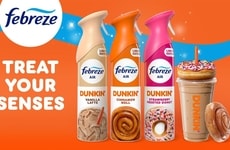 Coffee-Inspired Home FragrancesFebreze and Dunkin' Launched a Scent Collaboration
 Dessert-Inspired Creme BarsHershey’s Launches Salted Caramel and Affogato Creme Bars.
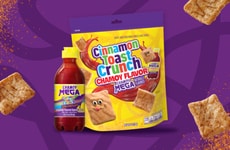 Cross-Category Flavor MashupsCinnamon Toast Crunch and Mega Foods' Chamoy Mega Swapped Flavors
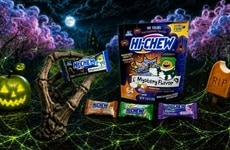 Mystery Flavor CandiesHI-CHEW Hides a Secret New Flavor in Its Halloween Mix
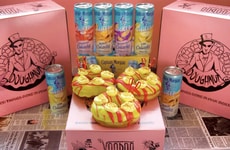 Tropical Doughnut TreatsCaptain Morgan Sliced Colada Variety Pack Inspires a Limited Doughnut
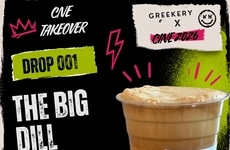 Pickle-Flavored Iced CoffeesGreekery Cafe is Serving Dill Pickle Iced Coffee at the CNE
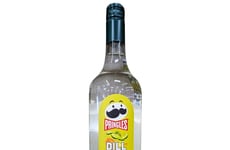 Pickle-Flavored Potato VodkasSugarlands Distilling Created a Pringles Dill Pickle Potato Vodka
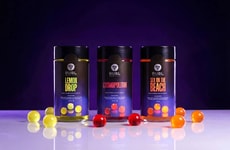 Ready-to-Drink Cocktail BubblesBubl Cocktail Shots are Encased in Thin, Flexible, Edible Shells
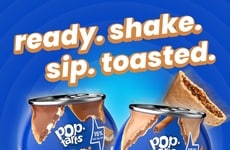 Toaster Pastry-Flavored CocktailsBuzzBallz x Pop-Tarts Serve Up Nostalgic Flavors with Vodka
Research
Flavor Theater
Consumers no longer treat flavor as a background product attribute; it has become a form of cultural content.
Brands are turning taste into a shareable event because attention is harder to win and people increasingly want foods that feel like participation, not just consumption.
Familiar Novelty
Consumers want excitement, but they do not want to feel lost.
Familiar formats lower the risk of trial, while globally specific accents and nostalgic references add enough edge to keep products and menus culturally current. This is why brands are designing flavor as a bridge between comfort and discovery rather than a break from both.
Comfort Collision
Consumers want flavor to deliver both emotional safety and social novelty at once.
Familiar cues lower the risk of trying something new, while premium or globally inflected twists help products feel culturally current and worth talking about in an era when food also functions as content.
Mashup Flavor Grammar
With social feeds saturated in ‘weird flavor’ stunts, consumers now look for adventurous combinations that still feel legible and repeatable.
A shared mashup vocabulary—swicy, swalty—gives them a mental map to explore new tastes without fearing regret. Brands that build within these recognizable hybrid spaces can keep innovation pipelines fresh while lowering risk for mainstream palates, turning flavor discovery into an enjoyable learning journey rather than a one-time dare.