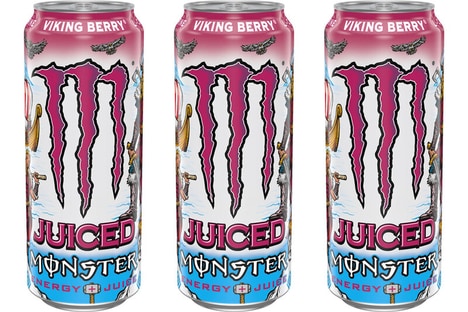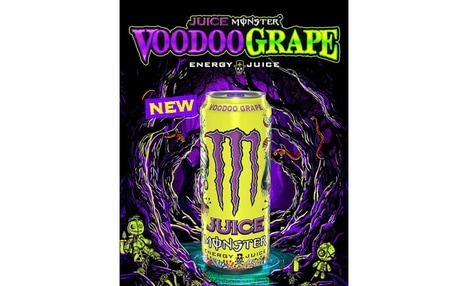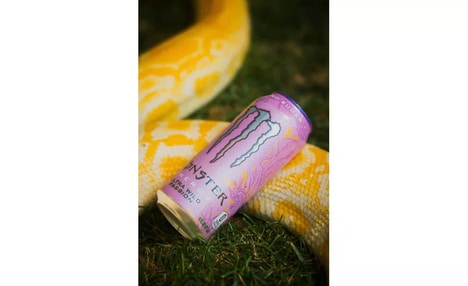
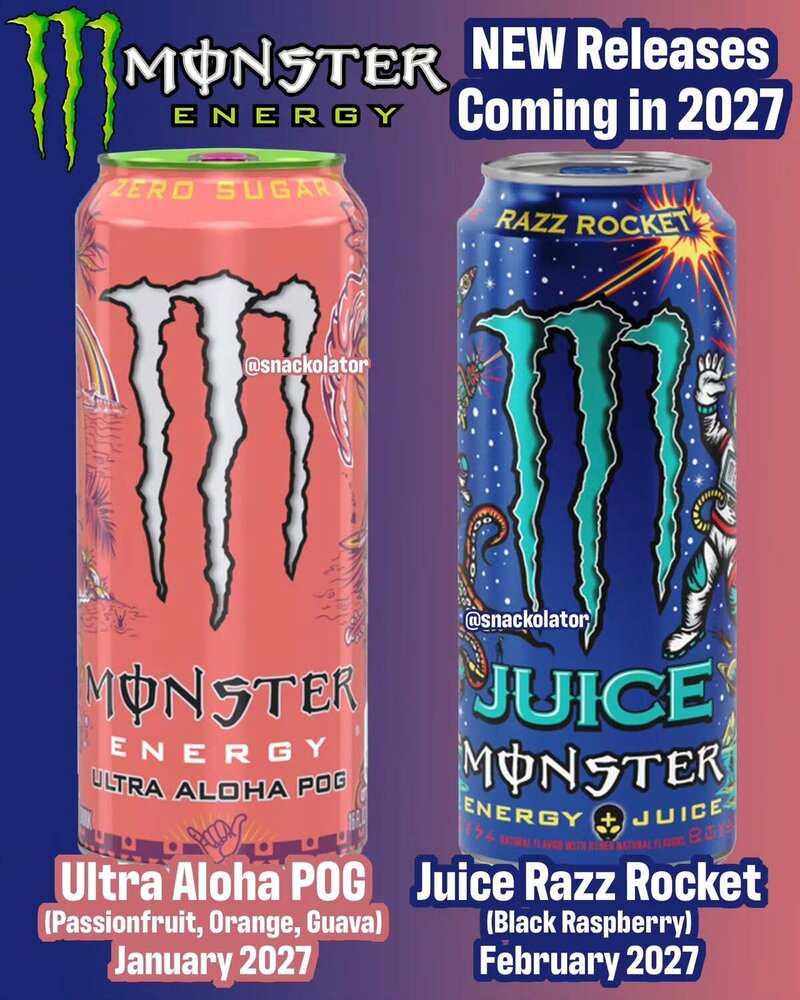
Monster is adding two energy drinks to its lineup with Ultra Aloha POG and Juice Razz Rocket, each built around a fruit-led profile. Ultra Aloha POG combines passionfruit, orange, and guava with zero sugar, while Juice Razz Rocket gives black raspberry a juicier twist.
The split gives the brand two different reads on the category: one leans bright and sugar-free, the other pushes a richer berry profile. That kind of contrast helps shoppers choose between refreshment styles without leaving the same shelf.
This means energy drink picks are getting more flavor-specific rather than just louder or sweeter. It also raises the bar for rivals, since a strong can design and a clear flavor idea now need to do more of the work at a glance.
Image Credit: @snackolator, Monster Energy
Key Themes Behind This Trend
- Tropical Flavor Positioning
- Fruit-forward blends like passionfruit, orange, and guava show how energy drinks can use vacation-inspired taste profiles to stand out in crowded beverage coolers.
- Sugar-free Refreshment
- Zero-sugar formats paired with bright, specific flavors create space for functional beverages that feel lighter without losing indulgent appeal.
- Shelf-ready Flavor Identity
- Distinct can design and clearly named taste concepts increasingly influence impulse selection as shoppers compare options quickly at retail.
Where This Applies
- Energy Drinks
- More nuanced flavor segmentation gives brands room to differentiate beyond caffeine strength, sweetness, or performance messaging.
- Functional Beverages
- The pairing of wellness-aligned claims with expressive fruit profiles reflects a growing opportunity to make functional products feel more lifestyle-driven.
- Convenience Retail
- High-contrast packaging and easy-to-understand flavor cues strengthen the role of grab-and-go shelves as discovery points for new beverage launches.