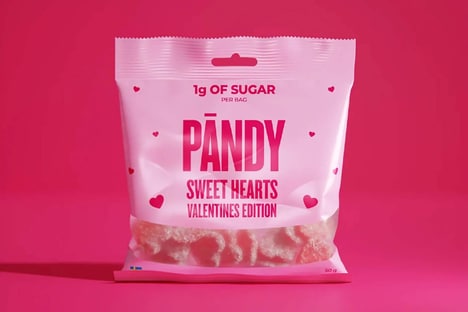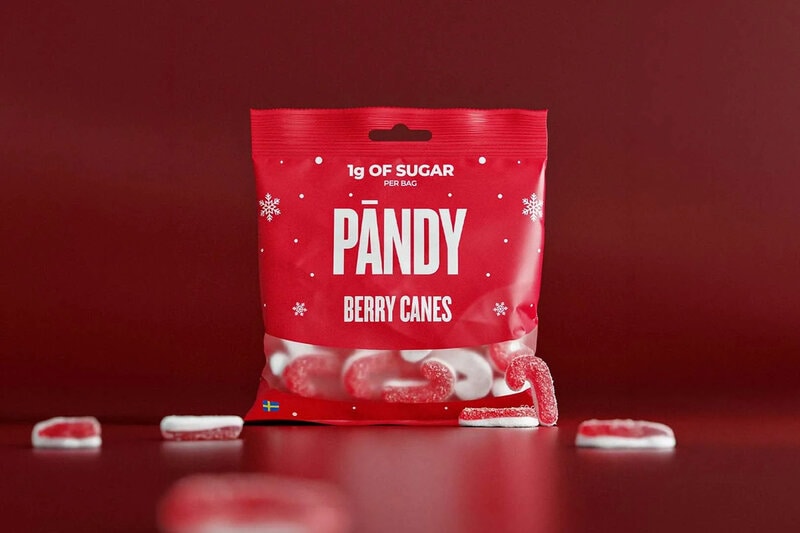
Pandy brought back ‘Berry Canes’ for Christmas, pairing strawberry and vanilla in a candy-cane-shaped sweet that swaps hard candy for soft foam and jelly. The returning treat keeps the holiday look but shifts the texture and flavor profile to something lighter and fruitier.
Each 50g bag contains less than a gram of sugar and 70 calories, making it easier to treat as an occasional festive snack rather than a sugar-heavy seasonal candy. The red and white pieces keep the familiar cane pattern while shifting the bite toward chew and creaminess.
Pandy shows how a kr18.80 return can give the brand a low-sugar seasonal item that stands apart from standard Christmas candy, while availability on its website now, with retailers to follow, widens the product’s reach beyond direct-to-consumer sales.
Image Credit: Stack3d
What's Driving This Trend
- Low-sugar Seasonal Candy
- Holiday sweets with reduced sugar and calorie counts create whitespace for brands to modernize indulgence without abandoning festive rituals.
- Soft-texture Confectionery
- Foam and jelly formats bring novelty to familiar candy shapes, signaling potential for sensory-led alternatives to traditional hard sweets.
- Fruit-cream Flavor Pairings
- Strawberry, vanilla, and berry profiles offer a lighter seasonal taste direction that differentiates products from conventional peppermint or chocolate cues.
Who This Affects Most
- Confectionery
- Reduced-sugar formulations are reshaping candy aisles as brands balance indulgent formats with wellness-aware consumer expectations.
- Holiday Retail
- Seasonal limited-time products with familiar visual codes and updated nutrition profiles expand merchandising opportunities beyond classic festive treats.
- Better-for-you Snacks
- Low-calorie, low-sugar sweets blur the line between candy and mindful snacking, creating room for occasional indulgence positioned around permissibility.