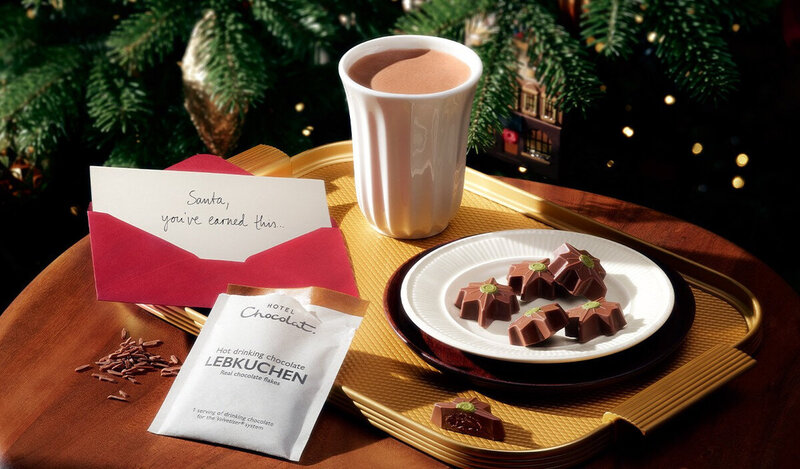
Hotel Chocolat is widening its Christmas drinking chocolate lineup with two limited-edition blends, giving holiday hot chocolate drinkers a spiced option and a mint-led white chocolate return. The additions are Lebkuchen, shaped around a German festive bake, and Peppermint White, which returns for the season.
The Lebkuchen version folds cinnamon and ginger into the brand's caramel-milk chocolate, while Peppermint White uses Tasmanian peppermint over a 36% white chocolate base for a cooler, sweeter cup. The brand's own chocolatiers developed both drinks, which are headed to its at-home range and its cafes.
Placement in both cafes and the at-home line turns the same seasonal recipes into a cross-channel offer, letting a café purchase feed later pantry buying. The named festive flavors also move hot chocolate beyond a plain winter staple and into a more giftable, limited-run treat.
Image Credit: Hotel Chocolat
Key Themes Behind This Trend
- Seasonal Flavor Extensions
- Limited-run profiles like lebkuchen and peppermint white transform familiar beverages into collectible holiday treats with stronger gifting and impulse appeal.
- Cross-channel Treats
- Cafe-ready recipes mirrored in at-home formats create a seamless tasting-to-pantry pathway that strengthens brand recall and repeat purchase behavior.
- Premium Comfort Beverages
- Elevated ingredients such as spiced caramel-milk chocolate and Tasmanian peppermint position hot chocolate as an indulgent ritual rather than a basic winter drink.
Where This Applies
- Chocolate Confectionery
- Seasonal drinking chocolate blends broaden confectionery portfolios by turning chocolate expertise into high-margin beverage and gifting formats.
- Cafe Retail
- Festive menu items that also exist as take-home products give cafes a stronger role in product discovery and omnichannel sales conversion.
- Holiday Gifting
- Named seasonal flavors and limited availability make everyday consumables feel more curated, supporting premium stocking stuffer and self-gifting occasions.