

Category
Tech
Modular Capture
AI services keep context across extended decisions and service flows.



What's Happening
Journey Memory: Brands are introducing AI helpers that stay involved beyond a single prompt, with the capability to carry forward prior details, documents, and preferences. These systems are supporting longer processes such as travel changes, property searches, and trade-in evaluation. The shift turns AI from a one-time answer tool into a running point of contact.
Why It's Happening
Overwhelmed with the constant influx of information, consumers are increasingly open to offloading early and repetitive decision work. This is especially true when the choices they need to make feel complex and spread across several sessions. What individuals really want back is time and mental bandwidth without compromising results. For many, an AI that remembers prior inputs can feel useful because it lowers friction in moments where search, support, and paperwork start to blur together. At the same time, persistence raises the stakes for trust. If a system is going to keep context and act on it over time, people are looking for clear disclosure, visible boundaries, and an easy path to human help.
Evidence
Oversee Brings AgentSee to Travel Agencies to Cut Servicing Time
Leisure and corporate agencies are gaining new operational flexibility as AI servicing tools reduce manual workload while supporting faster traveler issue resolution.
Cresta's Deputy Agent Completes Multi-Step Customer Workflows
Long-running AI agents could reshape support centers by shifting employees away from repetitive case administration toward higher-value customer judgment and exception handling.
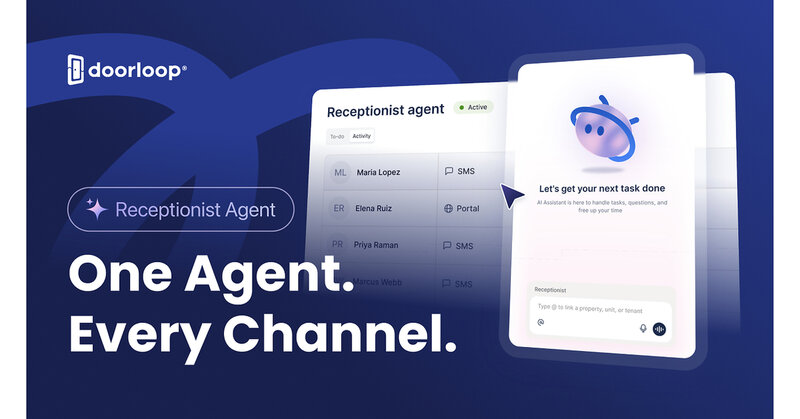
DoorLoop Adds an Agent That Answers Tenant Texts Around the Clock
AI reception agents reshape residential operations by handling routine tenant questions, escalating policy-sensitive issues, and improving service consistency at scale.
inride Automates Vehicle Valuations and Dealership Appointments
Dealership networks gain new operational models as AI handles customer intake, trade-in estimates, and appointment scheduling at scale.
Workshop question
How could your brand reduce customer repetition by preserving context across a multi-step journey?
Trajectory
Latest reading 6.2 for the week of Nov 2, 2026. Rising over the final 3 scored weeks (+1.0), −0.9 from its peak of 7.1 in the week of Oct 19, 2026. Momentum 2.4/10, persistence 10.0/10, backed by 4 research findings.
54 Trend Hunter articles were grouped into the wider weekly cluster this trend was identified in, over 7 weeks.
 Conversational Workflow AutomationFlowForma Turns AI Conversations into Business Workflows
 AI Backup Management ToolsMSP360 Links Managed Backup to Claude and ChatGPT via MCP
 AI Accounting ConnectorsNumbersGame Links Stripe, Square and Ramp to Claude and ChatGPT
 Autonomous AI AuditorsClark Launches Clerks to Automate Accounting Tasks
 Accountancy Document PlatformsIRIS Adds AI Search and a Client Portal to Document Management
 AI-Ready Payables PlatformsSettle Opens a Public API and MCP Server to Its CPG Cash Flow Platform
 AI-Ready Event Platformsvivenu Connects Its Ticketing System to AI Tools with an MCP Server
 AI Packaging QuotesCalyx Uses AI To Cut Packaging Quotes To Around 60 Seconds
 AI Brand Reputation MonitoringSeven Letter Launches Engine for AI Visibility
 Agentic Enterprise Software AppsKNEX Lets Finance & HR Teams Run Oracle Workflows with AI Agents
 AI Fitness Coaching AssistantsFASTer Way Adds Lumi to Turn Meal Photos Into Macro Logs
 AI-Powered Health Insurance AssistantsUnitedHealthcare's Avery Simplifies Benefits and Care
 AI-Powered Transit ManagementTransit Technologies Connects Fleet Data and Operations
 Social Media AI RecruitingClasset and Reelist Automate Frontline Hiring
 AI-Powered Course ReviewsIDMEXPRESS Uses Two AI Models to Assess Course Quality
 Enterprise AI Agent PlatformsSAP Opens Joule Studio to Build Agents Across Business Systems
 Screen-Reading AI OperatorsBvio Builds Violoop to Handle Screen Work with a Human Approval Button
 AI-Powered Business BankingStripe Lets AI Agents Manage Startup Finances
 AI-Powered Financial AuditingVantage FP&A Launches Vann for Automated Financial Reviews
 Private AI Sales AgentsASPR AI Adds Private Sales Agent Studio and Notetakers
 Property Management AI AgentsRentvine Adds Cru Agents and an MCP Server to Its Platform
 AI-Powered Direct Hotel BookingsCloudbeds Connects Hotels to Meta's Muse AI
 AI Business SystemsHuntington's 1866 Studio Simplifies Small Business Management
 Conversational Travel Intelligence PlatformsALTOUR Introduces Its AI-Powered iQ Platform
 AI-Powered Retail AdvisorsCHEXIT AI Helps Independent Retailers Make Smarter Decisions
 AI-Powered Holiday StylingNordstrom Introduces Personalized Outfit Recommendations
 Agentic AI Restaurant KiosksSquare Kiosk Lets Diners Ask Menu Questions by Voice or Touch
 AI Risk Compliance AgentsOptro Cuts Control Testing Time 60% at Reddit with Autonomous Agents
 AI Referral Sales TrackersDeepLumen Charges Shopify Merchants Only When AI Orders Come Through
 Verified AI Purchase ApprovalsAmerican Express Caps What AI Shopping Agents Can Spend
 Continuous AI Code VerificationChainguard Checks Tests Code During AI Development
 Natural-Language Finance AgentsAbacum Developed Modeler To Automate Planning & Forecasting
 AI-Powered Medicare PlatformseHealth's Content Genius Automates Medicare Plan Processing
 AI-Powered Membership ShoppingAonic Uses AI to Reduce Consumer Product Prices
 AI-Driven Denial PreventionJoyful Health Addresses Recurring Insurance Claim Issues
 AI-Powered Childcare AssistantsFamly Introduces Frankie to Simplify Childcare Administration
 Agribusiness Field SoftwareMyca Turns Field Chats and Photos Into Organized Records
 Autonomous Sales AgentsSanté Scans Invoices and Reprices Stock for Nearly 1,000 Stores
 Approved Compliance Workflow ToolsWherefour Adds AI Tools for Manufacturing Teams
 Text-Based AI OrderingDoorDash Turns Text Requests into Completed Orders
 AI Restaurant Sales AgentsKutlerri.ai Uses AI Agents To Handle Restaurant Catering Sales And Orde
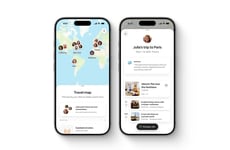 AI Travel PlanningAirbnb Adds Conversational Search and Home Comparisons
 AI Email Intake AgentsAmtech's AQQ Fills Quotes Straight From Inbound Emails
 AI Receptionist Voice AgentsInTouchNow Raises £2.3M to Expand into NHS GP Surgeries
 Permission-Aware Comms AgentsWorkshop Brings AI Agents And Automation To Internal Communications
 AI Content Compliance ScannersSkyline IFE Built an AI Tool to Catch Flagged In-Flight Content
 Agentic Claims AssistantsRising Medical Solutions Turns Claims Data Into Recommended Actions
 Context-Aware Media Memory SystemsIyuno Has Built CLOE with Multi-Agent Architecture
 Emotion-Preserving AI DubbingVosko AI Preserves Speaker Voices, Tone and Emotion Across Languages
 Agentic Smart Home HubsUGREEN HomeAgent Brings Local AI Control to Connected Homes
Research
Purchase Co-Pilot
Consumers are increasingly willing to outsource early-stage decision work when choice overload gets too high.
AI's value is not just answer generation; it is becoming a confidence layer that helps narrow options faster than search, peers, or brand sites alone.
Declared AI
As AI becomes more common, the tension is shifting from novelty to consent and control.
People are not only asking whether AI is present; they want to know when it is present, what it is doing, and how easily they can opt into human help instead.
Guardrailed AI
Consumers want AI to save time without asking them to surrender control.
Adoption rises when systems feel supervised, explainable, and easy to override, because the real tension is not novelty versus rejection but convenience versus trust. Brands that design AI as a bounded helper rather than an opaque replacement will feel safer and more valuable.
Human Backup
People want relief from effort, not relief from accountability.
The winning model is augmentation because it lets consumers offload tedious steps while keeping empathy, trust, and decision ownership in human hands when stakes feel personal or uncertain.