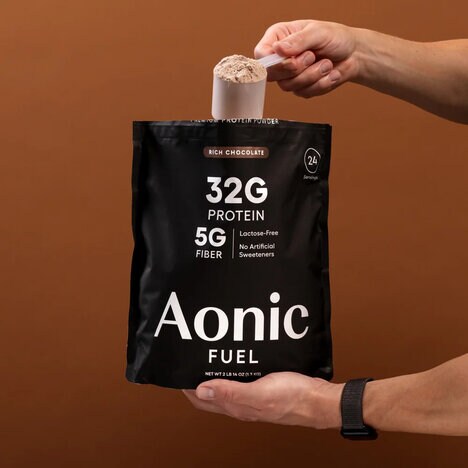

Aonic is introducing AI-powered membership shopping through Aonic Club, a retail service that allows consumers to purchase products at production cost without traditional markups. Unlike conventional retailers, the company generates revenue through annual membership fees while using artificial intelligence to streamline sourcing and operations, helping reduce expenses passed on to shoppers.
Launching with American-made protein and supplements, Aonic manages ingredient sourcing, formulations, and production directly. Founding members can join for $49 during their first year, compared with the standard $99 introductory rate. Members can also influence future product development through feedback and voting.
For Aonic, this approach creates recurring membership revenue rather than relying on individual product margins. The company plans to expand into groceries, beauty, personal care, pet food, and household essentials in 2027, extending its cost-focused retail model into additional consumer markets.
Image Credit: Aonic Inc.
Key Themes Behind This Trend
- AI-optimized Retail Memberships
- Artificial intelligence is enabling subscription-based retailers to reduce operating costs while shifting revenue away from product markups and toward recurring access fees.
- At-cost Consumer Goods
- Membership models that sell products near production cost create room for price transparency, loyalty-driven commerce, and new competition against traditional retail pricing structures.
- Member-led Product Development
- Customer voting and feedback loops are turning shoppers into product collaborators, creating data-rich pathways for faster assortment planning and demand validation.
Where This Applies
- Supplements and Nutrition
- Direct control over sourcing, formulation, and production can disrupt premium supplement pricing by pairing low-cost access with quality-focused product development.
- Grocery Retail
- AI-supported procurement and membership economics could reshape grocery shopping by making household staples more affordable without relying on conventional store margins.
- Personal Care and Beauty
- Cost-based retail models have potential to challenge prestige beauty markups through transparent pricing, community input, and streamlined supply chains.