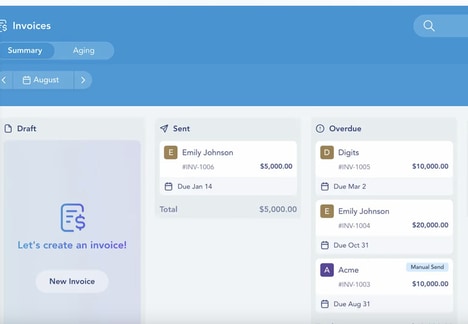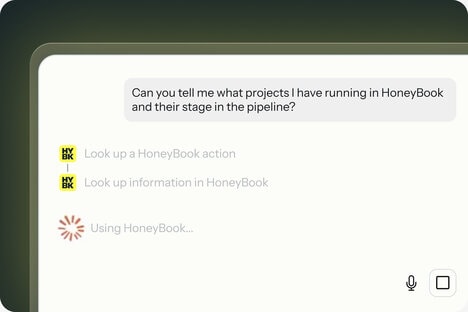

NumbersGame added Stripe, Square and Ramp links so firms with multiple client books and fractional CFOs can pull payment, sales and spending data into Claude or ChatGPT alongside a QuickBooks Online or Xero ledger. That brings close and reconciliation into one chat while keeping changes to the books subject to human review.
Stripe entries remain drafts until signoff, and booking stops if the source data changes first. Ramp access is read-only, so teams can inspect card activity and receipts without editing records there. All three connectors are live for every NumbersGame customer today, and each uses half a connection credit.
NumbersGame shows how pricing from $59 per month with a 14-day free trial can make the service easier to test for firms already using Claude or ChatGPT, turning the firm's existing AI account into a workflow layer that cuts spreadsheet handoffs without removing accountant approval.
Image Credit: NumbersGame
What Makes This Trend Stand Out
- AI-led Reconciliation
- Accounting teams gain a unified chat-based layer where ledger, payment, sales and expense data can be compared while professional review remains embedded in the workflow.
- Human-governed Automation
- Draft-only posting and change detection reflect a growing model for financial AI that improves speed without weakening controls over final accounting decisions.
- Connector-based Finance Workflows
- Prebuilt integrations are shifting AI adoption from standalone assistants toward operational hubs that reduce spreadsheet handoffs across fragmented client systems.
Sectors Adopting This
- Accounting Software
- Cloud ledger platforms face new competitive pressure from AI interfaces that sit above core books and make reconciliation, review and close tasks more conversational.
- Fintech Payments
- Payment processors and expense platforms become more valuable when their transaction data can flow into AI-enabled advisory and reporting environments.
- Business Advisory Services
- Fractional CFOs and multi-client firms can differentiate through faster analysis cycles that combine live operating data with governed AI-assisted workflows.