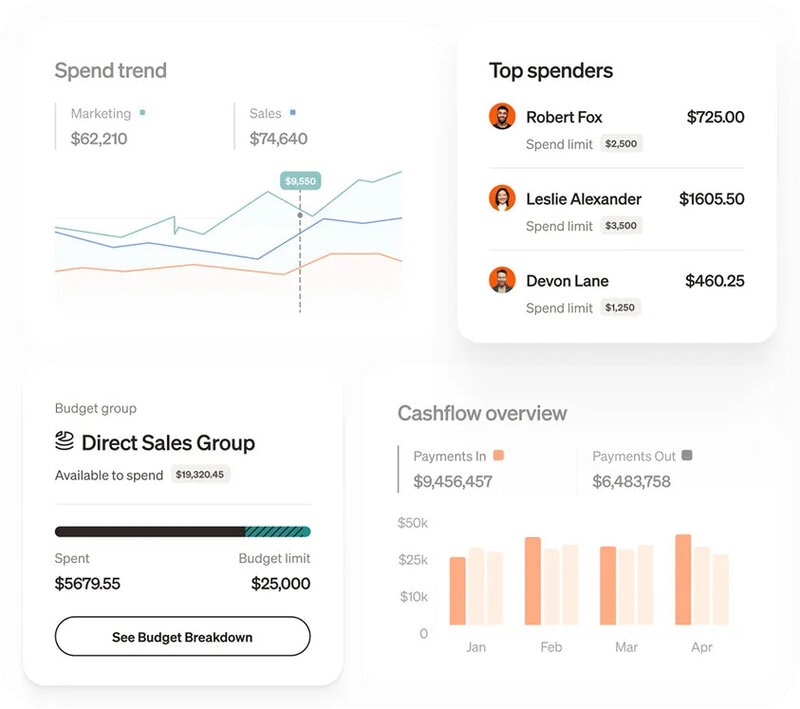
BILL is adding AI controls to its finance software for SMB teams and accounting firms, keeping people in the loop. The update adds a hub to switch AI on or off and track its actions, plus onboarding that drafts setup and approver defaults before users approve changes.
Its risk intelligence scans invoices during approval and flags charges that deviate from a vendor's usual pattern before payment is scheduled. In FY2026, the system caught about $1.5 billion in mistaken or unusual payments, while inbox labeling sorts invoices and vendor tax forms without manual triage. These additions roll out today, and expanded chat is in beta for questions about invoice status or recurring bills.
The hub to switch AI on or off turns automation into a managed finance layer instead of a black box. Invoice checks before payment scheduling make the software easier to trust without removing human signoff.
Image Credit: BILL
What's Driving This Trend
- Human-in-the-loop Automation
- Finance teams gain trust in AI systems when automated recommendations remain visible, reversible, and subject to human approval before impacting payments.
- Pre-payment Risk Detection
- Invoice platforms are moving fraud and error detection earlier in the workflow, creating value by preventing losses before funds are scheduled or released.
- AI Governance Dashboards
- Centralized controls for toggling, monitoring, and auditing AI activity create new differentiation for software vendors serving regulated or risk-sensitive business functions.
Who This Affects Most
- Accounts Payable Software
- Embedded intelligence for invoice sorting, anomaly detection, and approval routing reshapes accounts payable tools into proactive financial control systems.
- Small Business Finance
- SMB finance operations benefit from enterprise-grade oversight as AI-assisted controls reduce manual review burdens without eliminating managerial accountability.
- Accounting Services
- Accounting firms can expand advisory value through AI-enabled monitoring layers that identify unusual vendor activity and payment risks across client portfolios.