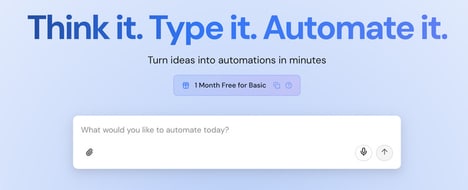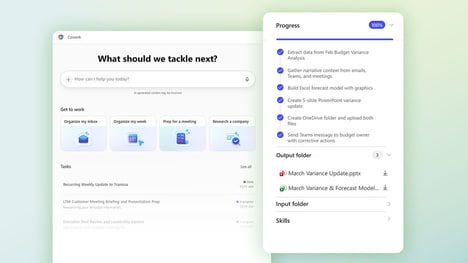
Conversational workflow automation is making business process creation more accessible as FlowForma connects its platform with ChatGPT, Claude, and Microsoft Copilot. Employees can now describe operational tasks in everyday language, allowing AI assistants to develop structured workflows without requiring coding skills or extensive technical planning.
The integration enables users to create processes for employee onboarding, purchasing, and incident reporting through guided conversations. AI assistants identify necessary steps, forms, and approval requirements before transferring completed workflows into FlowForma. Existing processes can also be reviewed and modified through conversational instructions, while execution and organizational data remain within Microsoft 365 and SharePoint Online.
For businesses, this capability could shorten development timelines and reduce dependence on specialized technical teams. It also simplifies replacing outdated workflow systems while maintaining oversight of permissions, approvals, and operational processes.
Image Credit: FlowForma
Key Themes Behind This Trend
- Natural-language Process Design
- Everyday language interfaces are lowering barriers to workflow creation, giving nontechnical employees a faster way to translate operational knowledge into structured business systems.
- AI-assisted Workflow Modernization
- Legacy process tools are becoming easier to replace as conversational AI helps map, refine, and rebuild approvals, forms, and task sequences within familiar enterprise platforms.
- Embedded Enterprise Automation
- Automation capabilities integrated into productivity ecosystems such as Microsoft 365 create new value by keeping workflow design, execution, and governance close to existing business data.
Where This Applies
- Business Process Management
- Conversational AI introduces a more accessible model for designing and maintaining workflows, reshaping how organizations manage approvals, onboarding, procurement, and reporting.
- Enterprise Software
- Software platforms that combine AI assistants with secure collaboration environments can differentiate through faster implementation, lower technical dependency, and stronger operational continuity.
- Human Resources Technology
- Employee onboarding and internal service workflows gain flexibility when HR teams can generate and revise processes through guided conversations rather than custom development.