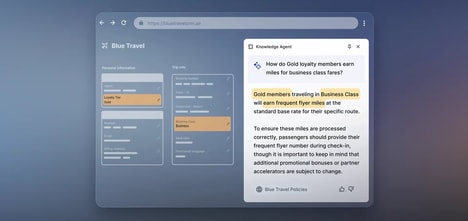
Rising Medical Solutions is advancing agentic claims assistants with Ask Leah, a generative AI agent embedded within its VISION customer platform. Rather than simply summarizing claim information, Ask Leah interprets medical, financial, and claims data to identify risks and recommend next steps. The system can flag severity concerns, questionable reserves, return-to-work barriers, compensability issues, and vendor activity while creating a due-dated list of priorities for claims professionals.
For Rising Medical Solutions, this action-oriented approach can make its claims platform more valuable to insurers and other managed care clients dealing with large volumes of complex data. Automating initial analysis can help professionals focus their attention on claims requiring intervention while supporting more consistent decision-making. Keeping protected health information within a secure environment also addresses privacy concerns surrounding enterprise AI adoption. Future conversational capabilities could further position VISION as an interactive decision-support platform rather than a traditional claims management system.
Image Credit: Rising Medical Solutions, Inc.
What's Driving This Trend
- Agentic Claims Triage
- AI systems that prioritize complex claims based on risk, urgency, and financial exposure create new value in reducing manual review burdens and improving intervention timing.
- Embedded Enterprise AI
- Generative agents built directly into existing workflow platforms represent a shift toward secure, context-aware automation that enhances professional decision-making without moving sensitive data outside controlled systems.
- Predictive Claims Workflows
- Data-driven recommendations that connect medical, financial, and operational signals introduce opportunities for more consistent claims handling and earlier detection of costly complications.
Who This Affects Most
- Insurance Technology
- Claims platforms enhanced with agentic AI can differentiate through automated risk detection, recommended actions, and workflow prioritization for carriers and third-party administrators.
- Workers Compensation
- Complex injury claims involving return-to-work barriers, reserves, and compensability issues benefit from intelligent decision support that identifies intervention points earlier in the claims lifecycle.
- Managed Care
- Healthcare cost containment providers gain potential advantages from secure AI tools that interpret clinical and financial data while guiding professionals toward higher-impact case management decisions.