
Category
Tech
Studio Convergence
Companies are structuring operations for AI-led decisions.



What's Happening
Agent Interface: Enterprise platforms are being designed for an AI-native world, with data, logic and workflows structured so that software can interpret context and act on it. In turn, this reduces manual handoffs, cuts down delays between steps and makes complex processes easier to run reliably at scale, freeing teams to focus human judgment where it matters most.
Why It's Happening
For end users, the appeal isn't AI itself but less friction, fewer steps, fewer delays and fewer chances for information to get lost between steps. With more time to invest in strategy and less on coordination, teams spend less time chasing status updates and more time moving the work forward. When organizations compress research, coordination or production work that once required multiple handoffs, customers experience it as faster service and simpler interactions.
Evidence
Centric Software Unveils Centric AI NRF 2026
AI decision platforms support retailers with faster assortment planning, improved sell-through forecasting and more responsive product development cycles.
Aragon Research Has Introduced Its Research and Advisory Platform Aragon One
AI-native advisory models introduce subscription-based intelligence hubs that transform traditional reports into continuously accessible, interactive decision platforms.
Exiger Automates Procurement and Compliance with AI Agents
Complex supplier ecosystems are being transformed by AI platforms that unify procurement, compliance, and operational risk into adaptive digital infrastructure.
Wealthbox Brings Client Context Directly into Claude
Advisory firms can benefit from AI that interprets client history and activity, opening space for differentiated service models built around faster, more contextual engagement.
Autodesk Assistant Delivers Agentic Project Intelligence
Connected project intelligence can reduce coordination gaps by surfacing design impacts, schedule risks and collaboration needs across building teams.

FineVoice Aunio Turns Ideas into Finished Audio
Integrated AI platforms are lowering barriers to professional-quality sound design, voiceover, music and post-production for smaller teams and independent creators.
Penguin Ai Automates Claims and Denial Workflows
Revenue cycle teams are becoming a key market for AI tools that reduce manual claims handling without removing professional oversight.

Sorcero Unifies AI and Analytics for Medical Affairs
Enterprise platforms built for medical affairs workflows signal growing demand for specialized AI infrastructure that supports strategy, field engagement, intelligence and communi…
MethodSense Automates Medical Device Regulatory Workflows
Device makers benefit from integrated compliance platforms that streamline submissions, quality oversight and risk management while supporting faster product development cycles.
Sokin's MCP Connector Enables AI Payments
Licensed payment providers can differentiate by connecting regulated infrastructure to AI assistants that support secure, embedded finance operations.
Cognizant Introduces AI Nexus for Cost and Quality Control
Integrated AI management platforms represent a growing category for software providers serving organizations with complex automation and oversight needs.

TalentNeuron Automates Complex Workforce Research with Synapse
Workforce platforms can differentiate through agentic assistants that reduce manual research while improving recruitment, compensation, and allocation decisions.
Added – · 3 articles · 2 added to evidence ↑

Ceipal Automates Hiring Workflows with Recruiter Oversight
KNEX Lets Finance & HR Teams Run Oracle Workflows with AI Agents
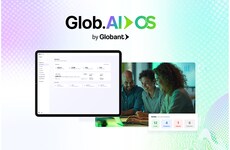
Globant Connects 320+ AI Models with Governance
Workshop question
How could your brand make automated decisions easier for customers to understand, question, or override?
Trajectory
Latest reading 6.1 for the week of Nov 9, 2026. Cooling over the final 3 scored weeks (−0.6), −0.8 from its peak of 6.9 in the week of Oct 26, 2026. Momentum 2.4/10, persistence 2.5/10, backed by 4 research findings.
20 Trend Hunter articles were grouped into the wider weekly cluster this trend was identified in, over 5 weeks.
 Agentic Risk-Routing SystemsBold Penguin Makes Insurance Placement More AI-Friendly
 Permission-Aware Comms AgentsWorkshop Brings AI Agents And Automation To Internal Communications
 Agentic Claims AssistantsRising Medical Solutions Turns Claims Data Into Recommended Actions
 Regulatory Content AI AgentsRWS Agents Identify and Draft Updates for Changing Regulations
 All-in-One AI EditorsPhrasly Docs Combines Writing, Detection and Citations into One Editor
 AI Legal GatekeepersCheckbox Reviews Legal Work Before It Reaches Lawyers
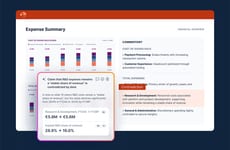 AI-Powered Presentation AuditsMacabacus Checks Financial Decks for Errors and Inconsistencies
Research
Agentic Cart
Consumers are tiring of search-heavy shopping journeys and becoming more open to retail experiences that interpret intent and guide the next step.
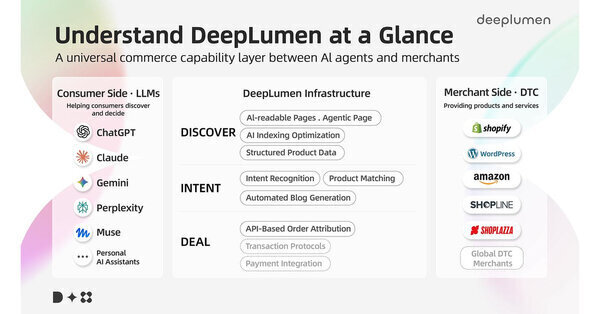
Agentic commerce matters because it shifts shopping from manually browsing catalogs to delegating parts of discovery, comparison and decision support. The new expectation is not just information, but active assistance.
Agentic Assortment
The next fight in retail is not only to be chosen by shoppers, but to be selected by their software.
As agents take on search, comparison, and even basket-building, brands need product data, reviews, and trust signals that work for both humans and machines. This changes merchandising from persuasive display to machine-optimized relevance.
Agentic Shelf
The next commerce battle may not be won on the webpage or the app, but inside the interfaces that shop on the consumer's behalf.
That creates a new tension for brands: they want the efficiency of agents, but risk losing direct access to intent, differentiation, and merchandising influence. Retailers now need to merchandise not only for humans, but for machines that interpret and act on shopper preferences.
Bounded Delegation
Consumers do not want to hand over the whole relationship to AI; they want relief from chores.
The winning model is selective delegation, where AI handles narrow, reversible, low-risk tasks and humans remain in control of judgment, money, and emotional reassurance. That is the blueprint for human-AI synergy across retail and services.