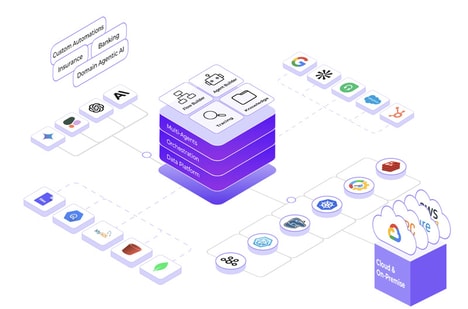
Regulatory content AI agents are helping regulated enterprises respond faster when standards, regulations, or product specifications change. RWS's Tridion agentic platform combines Tridion Connect and Tridion Agent to detect external changes, trace them to affected governed content, and prepare proposed revisions for human review. Designed for industries including pharmaceuticals, medtech, and manufacturing, the system works within existing content controls while maintaining an audit trail of agent activity. Early users are reportedly reducing impact-assessment timelines from days to hours.
For RWS, the platform moves enterprise AI beyond standalone experimentation by embedding agents directly into established regulatory documentation workflows. Automating time-intensive cross-referencing can reduce manual workloads while keeping consequential publishing decisions with employees. The public preview also gives RWS an opportunity to refine the platform before planned general availability in 2027, while addressing demand from regulated companies for AI tools that combine automation, governance, traceability, and human oversight.
Image Credit: RWS
What's Driving This Trend
- Agentic Compliance Workflows
- AI agents embedded in regulated documentation systems create openings for faster impact assessments, traceable revisions, and human-supervised automation across complex compliance environments.
- Governed Content Automation
- Enterprise content platforms are evolving into control hubs where regulatory monitoring, document mapping, and draft updates converge under auditable governance frameworks.
- Human-in-the-loop AI
- Regulated organizations are favoring AI systems that preserve employee oversight while automating repetitive review tasks, enabling safer adoption in high-stakes publishing workflows.
Who This Affects Most
- Pharmaceuticals
- Drug developers face constant labeling, safety, and quality documentation changes, making agent-assisted regulatory content management valuable for reducing delays and compliance risk.
- Medtech
- Medical device companies operate under shifting standards and product specifications, creating demand for AI tools that connect external regulatory updates to controlled technical documentation.
- Manufacturing
- Complex manufacturing environments rely on governed product and process content, where automated change detection and revision drafting can improve responsiveness to evolving requirements.