Skin routines are adapting to specific needs, moments, and compressed regimens
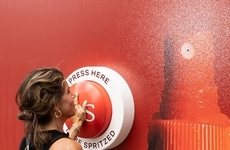
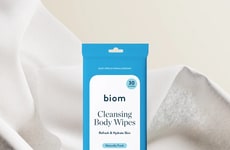
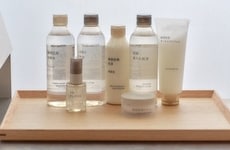
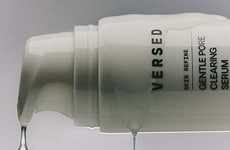
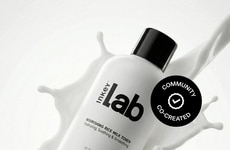
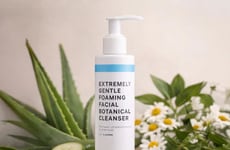
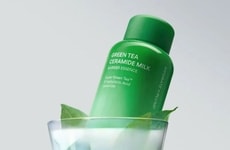
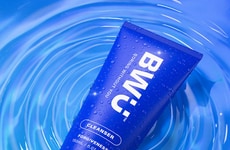
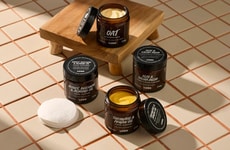
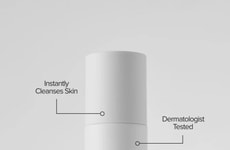
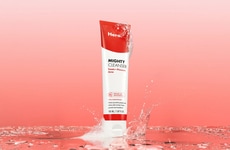
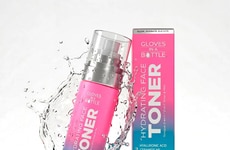
Trend - Skincare launches are being framed around narrow use cases such as post-exercise refresh, acne-prone pores, or more tailored cleansing needs rather than broad promise language. This contributes to greater efficacy, as products become targeted and practical interventions for a defined skin state or routine moment.
Trigger - Consumers are managing more skin information than ever and many are reluctant to follow long, complicated regimens. People are looking for routines that feel informed and credible, but not so advanced that they become intimidating or easy to misuse. Clear use-case framing helps reduce that uncertainty by telling consumers when, why, and how a product fits into their day. When brands design around real-life skin scenarios, consumers can follow a routine confidently without feeling overwhelmed or confused.
Trend Themes
-
Moment-specific Skincare — Beauty routines are shifting toward products designed for precise daily contexts, creating space for formulas that address temporary skin states with clearer relevance and credibility.
-
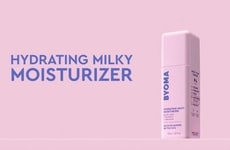
Compressed Beauty Regimens — Multifunctional formats are gaining appeal as consumers seek fewer steps, opening room for simplified products that combine efficacy, convenience, and reduced decision fatigue.
-
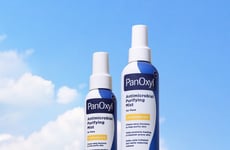
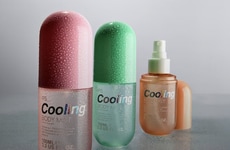
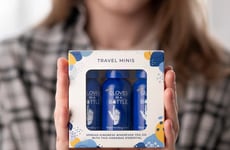
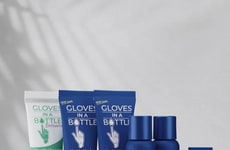
Fitness-linked Skin Recovery — The convergence of active lifestyles and skincare is expanding demand for portable recovery products that treat sweat, redness, and environmental exposure as routine beauty concerns.
Industry Implications
-
Beauty and Personal Care — Narrower product positioning is reshaping skincare development around specific concerns, enabling brands to differentiate through more practical and situational solutions.
-
Health and Wellness — Wellness-oriented consumers are connecting skin appearance with movement, stress, and recovery, creating opportunities for products that bridge self-care and everyday performance.
-
Consumer Packaged Goods — Portable, hybrid, and use-case-led formats are influencing packaged product design, with convenience-driven innovation making specialized care easier to integrate into daily life.