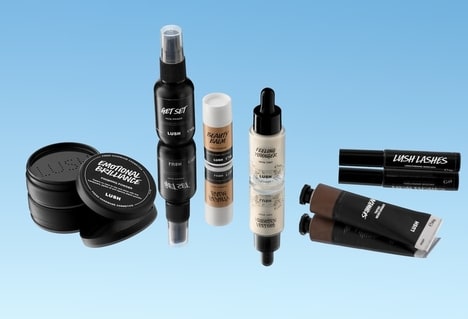

Muji introduced a new Muji Skincare Range designed to extend the retailer's pared-back aesthetic into beauty, featuring affordable, fragrance-free formulations and simple packaging. The rollout targeted domestic and international stores, positioning the line as accessible everyday essentials with a focus on ingredient transparency.
The range included cleansers, lotions, serums and sunscreens organized around a minimal routine and available in refillable or low-waste formats in some markets. Muji collaborated with in-house developers and local suppliers to balance cost and quality while keeping branding restrained and information-focused.
For consumers, the collection simplified routine choices and aligned with growing demand for low-frills, functional skincare; its value positioning and sustainable packaging options reflect broader retail trends toward responsible, budget-friendly personal care.
Image Credit: Muji
What Makes This Trend Stand Out
- Minimalist Beauty
- A consumer preference for streamlined routines and restrained branding creates room for beauty concepts that prioritize multifunctional, easy-to-understand products over large portfolios.
- Ingredient Transparency
- Growing demand for clear labeling and fragrance-free formulations highlights potential for products and platforms that provide verified ingredient provenance and simplified consumer education.
- Refillable Low-waste Packaging
- An emphasis on refillable formats and reduced packaging waste signals a market receptive to scalable systems for product reuse and circular distribution models.
Sectors Adopting This
- Retailers
- Value-focused retailers that translate a cohesive aesthetic into affordable personal care stand to redefine competitive positioning through curated, everyday essentials.
- Beauty Manufacturing
- Manufacturers aligning low-cost formulations with quality and regulatory transparency can disrupt premium-driven supply chains by delivering functional, accessible skincare at scale.
- Local Sourcing and Supply Chains
- Localized supplier collaborations and in-house development practices point to supply chain models that reduce lead times and enable cost-effective customization across markets.