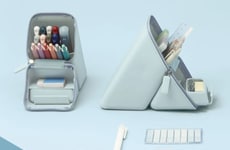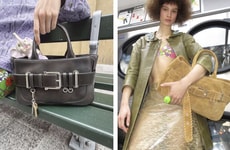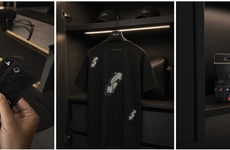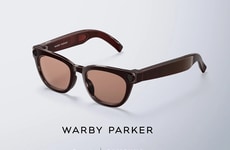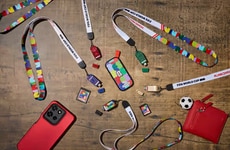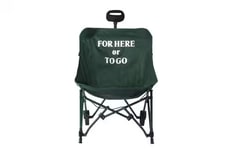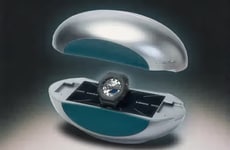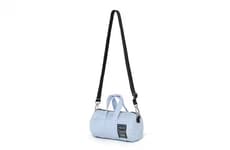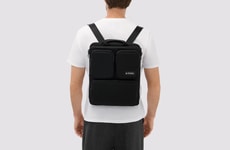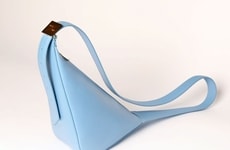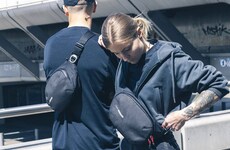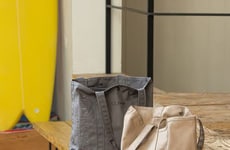
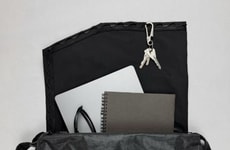
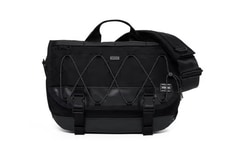
Style-led carriers prioritize technical materials and functional detailing
Trend - Brands are treating functional features as part of the design language rather than hiding them behind purely utilitarian styling. Woven structures, utility formats, and technical finishes are being used to make practicality feel more considered. This divergence suggests utility is becoming a broad aesthetic platform rather than a single look.
Trigger - There is a visible tension between wanting practicality and wanting personal style. Consumers increasingly carry more across more contexts, creating demand for accessories that can keep up with variable daily use without feeling purely gear-driven. Practicality is more compelling when it is integrated into the product's visual identity and not treated as a hidden feature set. The takeaway for brands is that function now needs to be expressed, not just engineered, to serve multiple purposes.
Trend Themes
-
Expressive Utility — Functional components are becoming visible design cues, creating room for accessories where pockets, straps, coatings, and reinforcement systems contribute to both performance and personal style.
-
Modular Mobility — Urban routines are encouraging adaptable carry formats that shift between commuting, cycling, travel, and errands, opening space for configurable systems that replace single-purpose bags.
-
Material-led Premiumization — Technical textiles such as CORDURA, X-Pac, ripstop, coated nylon, and structured weaves are elevating everyday carriers into durable fashion objects with stronger value perception.
Industry Implications
-
Fashion Accessories — The category is expanding beyond seasonal styling as bags and carryalls become platforms for visible utility, technical detailing, and lifestyle-specific personalization.
-
Outdoor and Performance Gear — Performance materials and construction methods are moving into urban wardrobes, creating crossover potential between rugged equipment design and style-conscious everyday use.
-
Urban Mobility — Commuting, cycling, and multi-stop daily movement are reshaping carry needs, making lightweight organization, weather resistance, and flexible attachment features more commercially relevant.