

Category
Lifestyle
Caffeine Remix
Digital money tools package spending awareness into simpler everyday guidance.
What's Happening
Expense Visibility: Personal finance tracking is being framed less as formal accounting and more as everyday self-management. Finance apps are simplifying daily spending, budgeting and planning with flexible, mobile-first features that are approachable and easier to use in daily life, especially for younger adults.
Why It's Happening
Spending money on a mobile device takes virtually no effort and that ease is why consumers so often lose track of where their money goes. As payments become faster and less visible, consumers gain convenience but lose the natural pause points that once prompted them to register what they were spending. Because transactions happen in real time, consumers want oversight that keeps pace, not a static summary to review later. With resources built into the same device used to spend, tracking feels just as easy.
Evidence
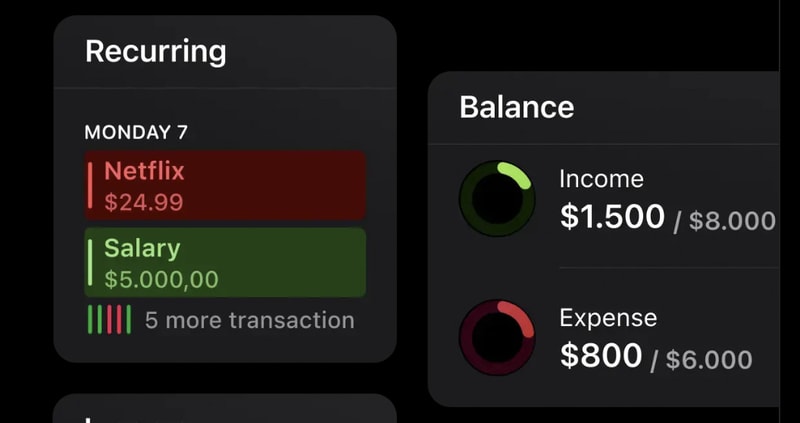
Rewiser Helps Users Build A Custom Financial Experience
Flexible app architectures are reshaping digital finance by enabling more tailored product bundles, third-party integrations, and user-controlled financial management models.
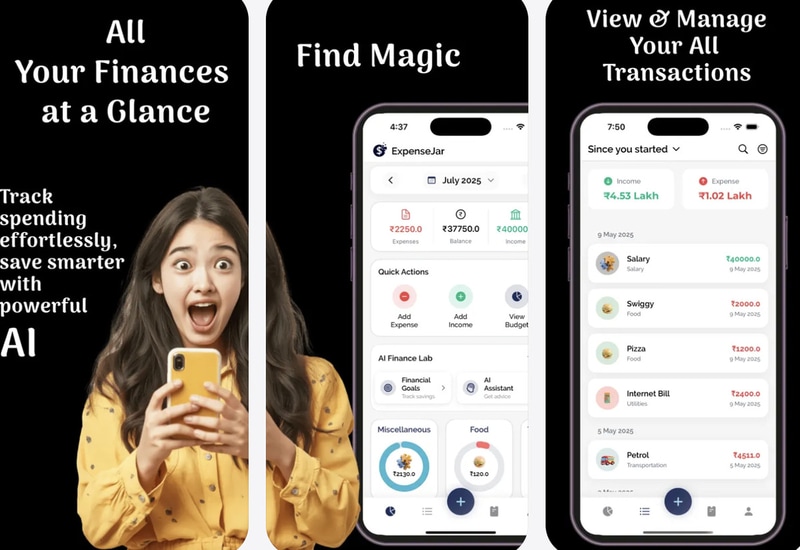
ExpenseJar Helps Users Track Spending And Build Better Budgets
Budgeting and expense tracking platforms are evolving toward all-in-one financial assistants that combine data aggregation, goal setting, and real-time insights.
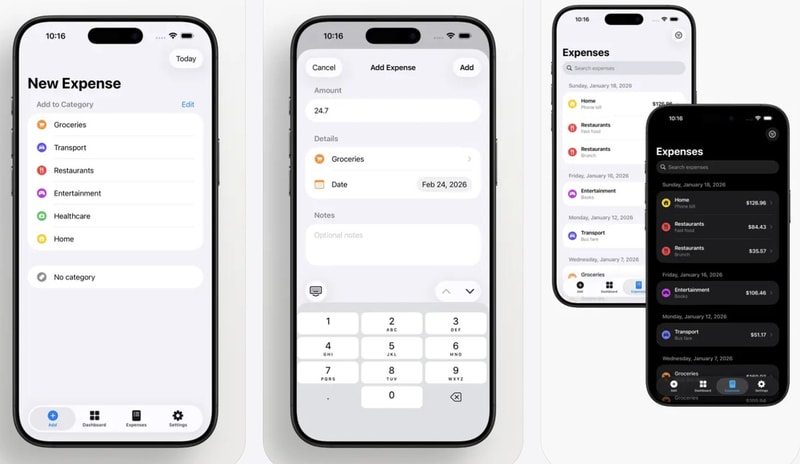
Boring Expenses Offers A Minimal Way To Track Daily Spending
Simplified expense tracking introduces new competition in consumer money management by prioritizing usability and behavioral consistency over comprehensive financial planning.
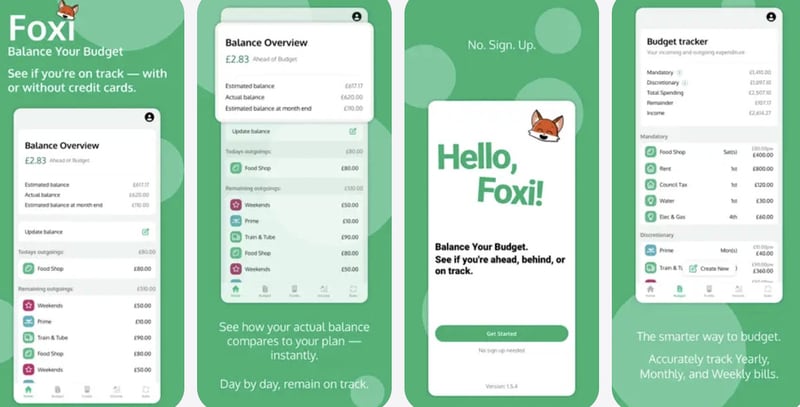
Foxi Helps Users Track Spending And Stay Ahead Of Their Finances
Consumer demand for accessible budgeting support is opening space for products that blend planning, tracking, and habit-building into one intuitive experience.
Workshop question
How could your brand turn financial transparency into a trust-building feature rather than a compliance afterthought?
Trend themes
Minimal interfaces and fast entry flows create room for finance tools that make spending awareness feel as effortless as making a mobile payment.
Real-time balance forecasting and planned expense views signal opportunities for money apps that shift budgeting from retrospective review to everyday anticipation.
Customizable plugins, integrations, and flexible workflows reflect growing demand for personal finance systems that adapt to varied income streams, habits, and goals.
Industry implications
Mobile-first expense tracking, open banking connections, and automated insights are reshaping consumer finance around simpler and more personalized money management.
Banks have an opening to embed clearer spending guidance, subscription oversight, and budget signals directly into digital account experiences.
Personal organization platforms can expand into financial routines by connecting tasks, reminders, calendars, and goals with everyday spending behavior.
Trajectory
Latest reading 6.5 for the week of Jul 13, 2026. Holding over the final 3 scored weeks (±0.0), at its peak of 6.5. Momentum 3.0/10, persistence 2.5/10, backed by 4 research findings.
4 featured from 5 articles in the wider cluster over 2 weeks. 4 evidence articles across 2 weeks, 2.0 a week on average. Busiest was Jul 6 with 3. Scores as of the week of Jul 13, 2026.
5 Trend Hunter articles were grouped into the wider weekly cluster this trend was identified in, over 2 weeks.
Research
Fintech Life Coaches
Financial stress and digital overload are converging, pushing consumers to seek tools that simplify both money and mental load.
By framing finance as part of overall wellbeing, fintechs can deepen engagement and differentiate from commodity banking services. Apps that help users feel in control—of spending, subscriptions, and screen time—address a core anxiety of younger generations juggling precarious incomes and constant notifications.
Wallet-First Banking
For Gen Z, the 'bank' is increasingly whichever app holds their money, credit, and loyalty points—not necessarily a traditional institution.
Embedded, invisible payments reduce friction and make it easier to subscribe, split bills, and shop across platforms, but they also shift brand power toward super‑apps and wallets. Financial and retail brands that don’t integrate smoothly into these ecosystems risk fading into the background, while those that do can use payment data to deepen personalization and stickiness.
Mobile-First Money
For younger consumers, payments are not a separate step but a background process embedded into apps, platforms, and experiences.
This ‘invisible finance’ expectation opens doors for contextual credit, real-time budgeting, and even carbon-tracking tools layered into everyday shopping. Brands and banks that design financial services as fluid features—rather than clunky endpoints—can ease money anxiety and build loyalty, while those that lag on mobile UX risk feeling archaic and untrustworthy.
Layered Mobile Money
Consumers want payment options that are instant, embedded, and invisible—but they are also learning hard lessons about frictionless credit.
Younger generations, in particular, are comfortable mixing cards, wallets, pay-by-bank, and BNPL depending on context. Providers that deliver flexible, mobile-first rails while building in clearer budgeting tools and guardrails can capture this fluid behavior without fueling financial harm.