

Sustainable packaging is evolving into a verified, end-to-end system
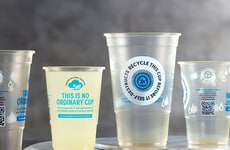
Trend - Packaging suppliers are moving beyond one-off material swaps to offer end-to-end material platforms to help brands align sourcing, performance and disposal in a single redesign. Beyond visually signaling environmental friendliness, circular packaging is evolving alongside operational systems to support and verify sustainability across its full lifecycle.
Trigger - Regulators and retailers are setting new standards for recyclability, reuse and material traceability, prompting a shift from vague or aspirational claims toward clear, actionable end-of-life instructions. As sustainability claims transition from “recyclable” and “eco-friendly” marketing to functional, verifiable outcomes, consumers may not follow the policy shifts driving this change, but they do notice and value clearer material choices and instructions that detail how and where to properly dispose, reuse or return packaging.
Trend Themes
-
Verified Circularity — Packaging platforms are shifting toward lifecycle proof through traceable materials, compliant sourcing and clearer disposal pathways, creating room for systems that certify sustainability claims from production through reuse or recycling.
-
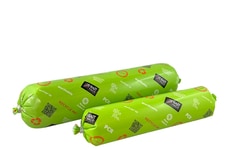
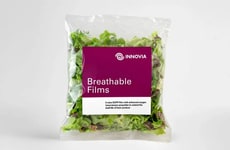
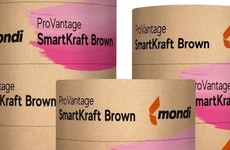
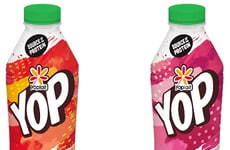
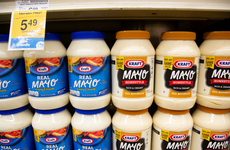
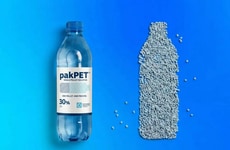
Infrastructure-compatible Materials — Drop-in recycled resins, mono-material films and paper-based cushioning reflect demand for sustainable options that work with existing manufacturing lines, leaving space for lower-friction upgrades that reduce operational disruption.
-
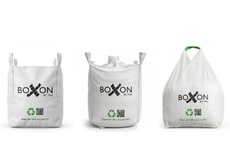
Managed Reuse Networks — Reusable containers are becoming more viable as logistics, sanitation and tracking are bundled with durable packaging, opening possibilities for data-enabled circulation models across high-volume supply chains.
Industry Implications
-
Packaging Manufacturing — Material suppliers and converters are positioned to transform from component vendors into integrated circularity partners offering performance, compliance and end-of-life validation.
-
Food and Beverage — Strict safety, freshness and shelf-life requirements make this sector a proving ground for recyclable and recycled-contact packaging that balances sustainability with product protection.
-
Logistics and E-commerce — High shipping volumes and damage-prevention needs create demand for scalable protective materials and reusable transport systems that lower waste across distribution networks.