
Category
Lifestyle
Caffeine Remix
Retailers are outsourcing discovery, selection and purchasing to software.




What's Happening
Delegated Shopping: From discovery and selection to purchase execution, retailers are building systems that let consumers outsource more stages of the buying journey to AI agents. As a result, they’re designing for delegation, not just browsing, and striving to stay useful as shopping increasingly happens through assistants rather than storefronts alone.
Why It's Happening
As AI becomes a shopping intermediary, trust becomes the deciding factor, since consumers aren’t just handing over a search query but sharing intent, preferences, and sometimes, permission to act on their behalf. The appeal is convenience, but the tension is control: people want the legwork done without losing visibility into the choices being made for them. Since consumers desire more than accurate recommendations, usefulness now means judgment they feel comfortable handing off. The retailers that earn this trust will be the ones consumers let act for them, not just guide them.
Evidence
Salesforce Backs Brunello Cucinelli’s AI-Driven Commerce Platform
AI-generated boutiques introduce differentiated digital merchandising models that can extend white-glove service beyond physical stores.
Google Introduced an AI-Powered Universal Cart for Smarter Shopping
The shift toward AI-managed carts and recommendations creates potential for marketplaces and brands to reconfigure fulfillment, pricing strategies and loyalty models around agent…
HuHu AI Helps eCommerce Brands Create Product Visuals With AI
Online retailers can benefit from faster visual asset creation as AI-powered content tools reduce production bottlenecks across product catalogs.
Albertsons Uses AI Grading Systems to Standardize Produce Quality Checks
AI-enabled produce grading presents opportunities for retailers to reduce shrink and optimize shelf replenishment through more precise condition data tied to individual items.
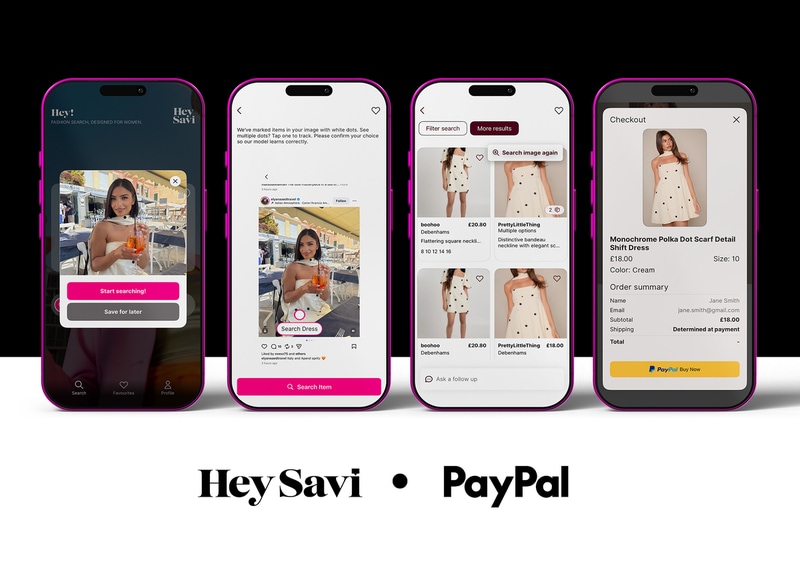
Hey Savi Uses AI to Search, Compare and Buy Fashion
Personalized AI shopping interfaces reshape how apparel brands reach consumers by prioritizing fit, style intent and contextual relevance over traditional sponsored placement.
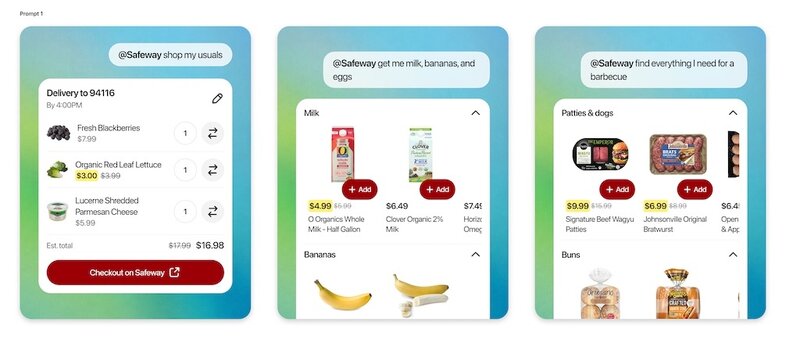
The Safeway Plugin in ChatGPT Supports Discovery & More
Supermarkets gain new digital touchpoints as conversational plugins blend product search, loyalty data, and cart management into a more seamless shopping journey.

CHEXIT AI Helps Independent Retailers Make Smarter Decisions
Point-of-sale providers can differentiate by merging payments, inventory, and AI recommendations into unified operating systems for smaller merchants.
Workshop question
How could your brand make automated recommendations and actions feel transparent enough that people understand why they are seeing them and how to change them?
Trend themes
AI intermediaries are turning product discovery, comparison and checkout into delegated journeys, creating space for trusted retail agents that manage preferences, budgets and approvals across merchants.
Shopping experiences are shifting from keyword searches and static catalogs toward natural-language, image and context-driven intent signals, opening new models for personalized recommendations, dynamic storefronts and unified carts.
Behind-the-scenes AI systems for inspection, content creation and logistics are making retail execution faster and more standardized, with emerging value in quality assurance, waste reduction and scalable digital merchandising.
Industry implications
Platforms that connect conversational interfaces, agent payments, visual search and merchant systems are redefining how retailers capture demand outside traditional storefronts.
Online marketplaces and brand sites are being reshaped by pageless experiences, AI-generated visuals and cross-platform carts that reduce friction between inspiration and transaction.
Grocery businesses face new possibilities in AI-assisted meal planning, produce inspection, list building and replenishment as shoppers delegate both routine decisions and complex tradeoffs.
Trajectory
Latest reading 7.7 for the week of Aug 10, 2026. Holding over the final 3 scored weeks (±0.0), at its peak of 7.7. Momentum 5.4/10, persistence 5.0/10, backed by 4 research findings.
7 featured from 13 articles in the wider cluster over 3 weeks. 7 evidence articles across 22 weeks, 0.3 a week on average. Busiest was Aug 10 with 2. Scores as of the week of Aug 10, 2026.
13 Trend Hunter articles were grouped into the wider weekly cluster this trend was identified in, over 3 weeks.
 Data-Driven Thrift Pricing FeaturesSavers Has Rolled Out ThriftIq AI-Powered Pricing Platform
 Feed-Based ChatGPT CampaignsPattern Adds ChatGPT Ads to Its Campaign Management Platform
 Frictionless Checkout FeaturesOn Running Launches Its Direct-To-Consumer Checkout with Adyen
 AI Fulfillment FeaturesShipbob Adds Claude Integration to Bobby AI for Fulfillment Operations
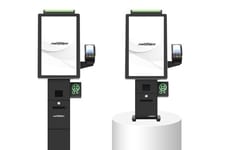 AI-Powered Self-Checkout SystemsPartner Tech Unveils Its Alfred PS-137 And Paula Kiosk
 Grocery Retail Intelligence PlatformsEileen Expedites Business Operations on the Retail Floor
 Avocado Education PlatformsAvocados From Mexico's AVO.AI Answers FAQ with Artificial Intelligence
 AI Grocer Inventory PlatformsHeinen is Expanding Use of the Afresh AI Platform for Product Counts
 AI Phone Concierge Servicesheytruffle Expands Its Managed AI Phone Concierge Service
 Agentic Shopping Assistant ParntershipsSchnucks and VitalityIP Partnered on a New Shopping Agent
Research
AI-Assisted Shopping Journeys
Shoppers are comfortable letting AI do the legwork—filtering products, summarizing reviews, tracking shipments—yet they still want human reassurance at key trust points like payment, complex issues, or emotional support.
The sweet spot is not "fully automated retail" but a hybrid where AI handles routine tasks while staff provide empathy, problem-solving, and confidence. Brands that design clear AI-to-human handoffs and make their content machine-readable will feel both cutting edge and trustworthy.
Backroom Algorithms
Consumers often notice grocery friction as empty shelves, irrelevant promotions, or hard-to-find products long before they care about the tech stack behind them.
Operational AI matters because it turns personalization from a flashy interface into a more reliable shopping experience. The deeper shift is that food retail is becoming quietly adaptive: smarter logistics and smarter assortments are starting to shape what feels easy, available, and worth buying.
Retail AI Payback
Retailers are moving past 'should we test AI?' into 'where does AI reliably improve margin, relevance, and speed?'
The pressure is less about futuristic branding and more about operational proof: if AI can reduce labor drag, improve targeting, and guide baskets more efficiently, it becomes budget-protected infrastructure.
Human-Assisted Checkout
Consumers are comfortable letting AI narrow choices but remain cautious about entrusting money movement to unfamiliar interfaces.
Checkout is where concerns about fraud, returns, and policies surface, so they prefer the perceived safety of brand-owned sites, apps, or human-staffed channels. Designing hybrid journeys—AI for research, humans and established flows for commitment—acknowledges this psychological threshold.