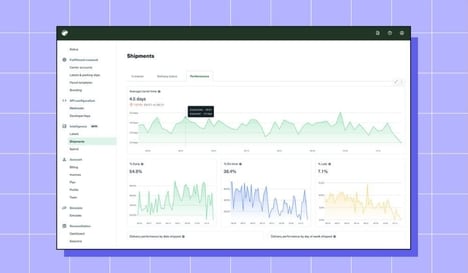
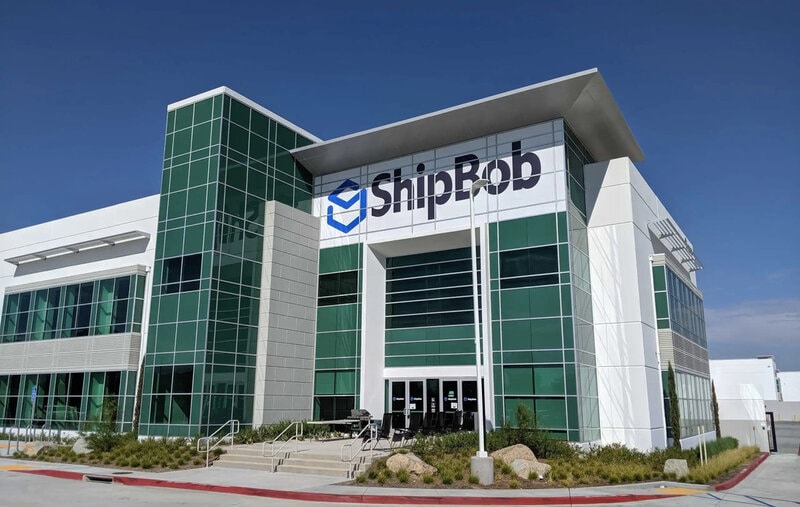
ShipBob introduced an AI suite that connects merchants’ live fulfillment operations to either its in-dashboard agent, Bobby, or Anthropic’s Claude. The system is built around ShipBob’s model context protocol (MCP), which links AI tools directly to inventory, orders and warehouse workflows across the company’s internally developed fulfillment stack.
The MCP uses an Anthropic-verified connector in Claude or ShipBob’s Bobby to handle operational requests, while the new ShipBob AI Hub lets merchants connect tools, review AI actions and manage integrations. The broader system also works alongside warehouse robots and AI-powered cameras used to assess returns.
For merchants, the platform moves AI beyond reporting by allowing it to reorder SKUs, reroute shipments and resolve order exceptions. Embedding these actions into fulfillment workflows could help brands react faster to demand spikes and other operational volatility while maintaining more consistent service.
Image Credit: ShipBob
What's Driving This Trend
- Agentic Fulfillment
- Autonomous AI agents embedded in warehouse and order systems create room for faster exception handling, dynamic routing and lower-touch operations across ecommerce logistics.
- Operational AI Connectors
- Verified integrations between AI assistants and live business systems signal new potential for secure, context-aware automation beyond analytics dashboards.
- Adaptive Inventory Automation
- Real-time SKU reordering and fulfillment adjustments highlight a shift toward supply chains that respond continuously to demand volatility and service disruptions.
Who This Affects Most
- Ecommerce Logistics
- Fulfillment providers are positioned to differentiate through AI-native workflows that combine order visibility, inventory control and automated shipment decisions.
- Retail Technology
- Merchant software platforms can gain value by linking conversational interfaces directly to operational actions across commerce, inventory and customer service.
- Warehouse Automation
- Robotics, AI cameras and fulfillment agents are converging into connected systems that improve returns processing, labor efficiency and operational responsiveness.