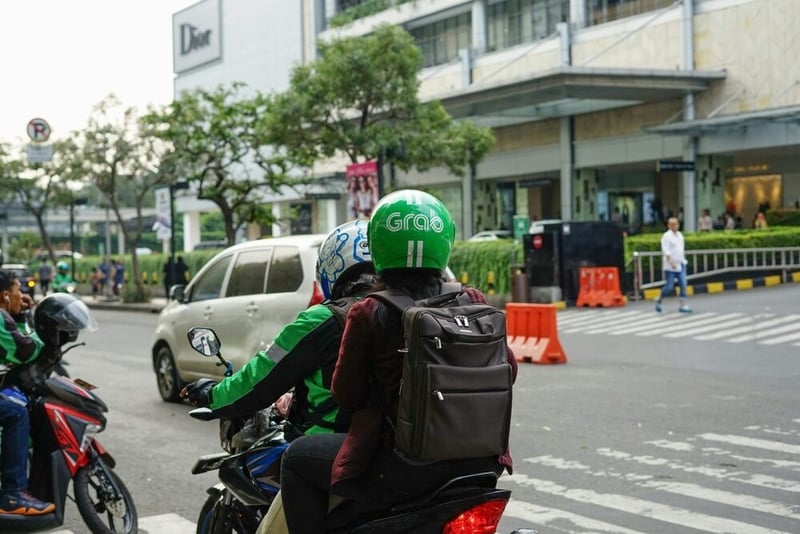
Grab introduced a company-wide profit strategy in early 2026 that centers on AI to refine its core app services, featuring optimisation for pricing, driver dispatch and delivery routing. The plan, announced after Grab reported its first full-year net profit for 2025, targeted nearly triple EBITDA by 2028 and leaned on AI to boost operational efficiency.
The initiative pairs AI systems with expanded service lines such as grocery delivery and broader fintech offerings, including the recent Stash acquisition. Grab said AI will power merchant and driver assistants, new user features and automated back-office tools to reduce waste and streamline workflows.
For consumers, the shift promises smoother, faster rides and deliveries and more tailored financial products driven by transaction data. By embedding AI into everyday app functions, Grab aims to increase repeat usage and margins, reflecting a wider trend of platforms using machine learning to move from scale-first growth toward sustainable profitability.
Image Credit: Grab
What's Driving This Trend
- AI-first Profitability
- Embedding machine learning across product and back-office functions creates opportunities to transform unit economics and shift platform growth from scale-focused expansion to margin-driven sustainability.
- Hyperlocal Multi-service Platforms
- Combining ride-hailing, grocery, and fintech within a single app opens room for bundled experiences and cross-service monetization that can redefine customer lifetime value in city ecosystems.
- Predictive Operations Orchestration
- Real-time AI-driven routing, dispatch and pricing systems enable a move from reactive logistics to anticipatory network control that can dramatically reduce idle time and waste.
Who This Affects Most
- Ride-hailing and Delivery
- Optimizing driver dispatch and dynamic pricing with AI creates potential for new efficiency-centric business models that alter fleet utilization and service-level economics.
- Fintech and Embedded Finance
- Leveraging transaction and behavioral data to tailor financial products within a consumer app presents scope for personalized credit, savings and payments offerings that compete with traditional banks.
- Grocery and Last-mile Logistics
- AI-optimized routing and inventory forecasting can enable faster fulfillment windows and lower perishability losses, shifting competitive advantage toward platforms with superior hyperlocal orchestration.